

Why Does Your Car Get Dirty So Quickly in Springfield MO?
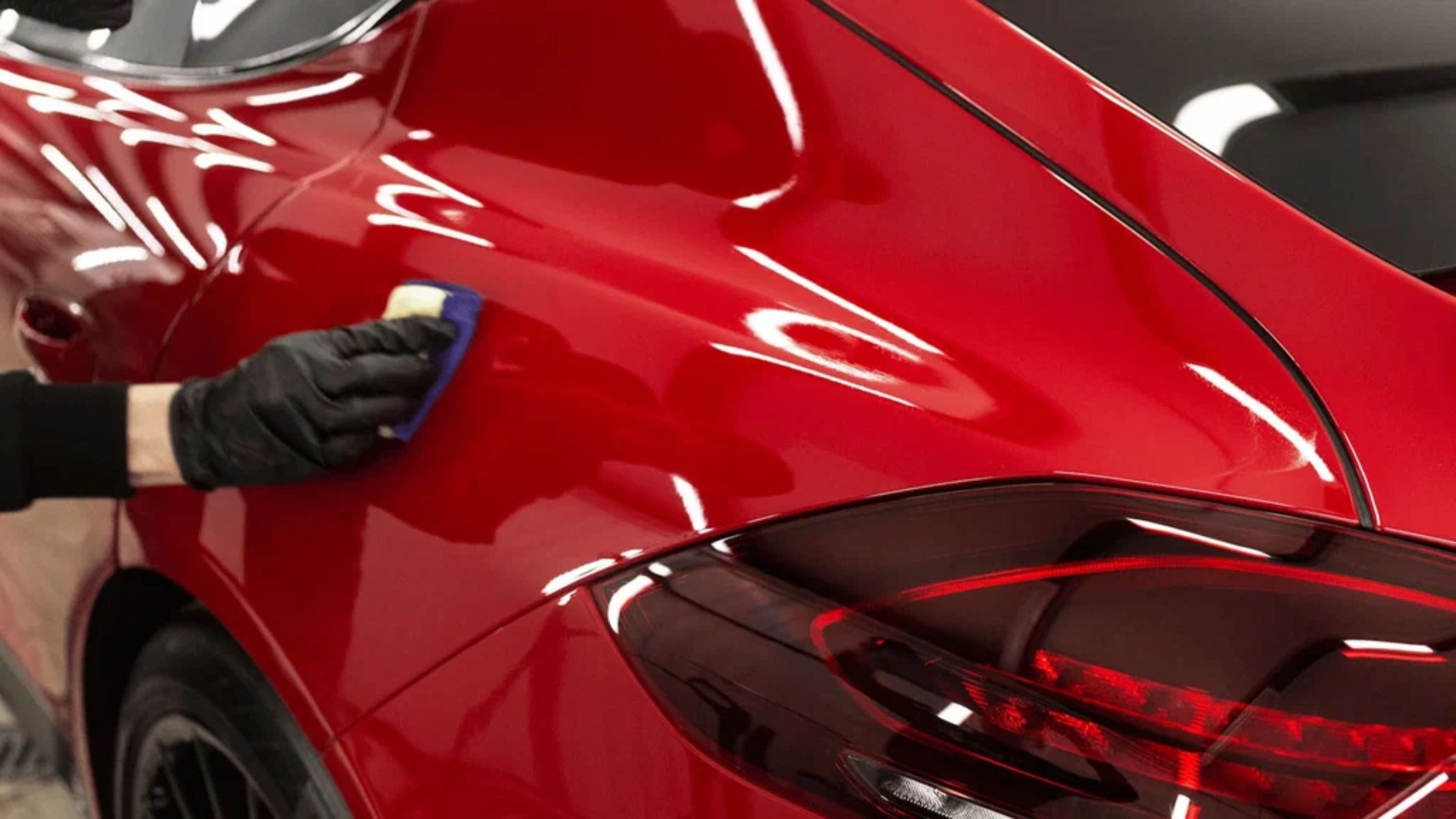
If you drive a vehicle in the Ozarks, you know how frustrating it is to wash your car only to see it covered in grime a day later. The unique weather patterns, geology, and vegetation of Southwest Missouri create an environment where vehicles get dirty almost instantly. While frequent detailing might seem like the only solution, securing a professional ceramic coating in Springfield MO offers a highly durable way to combat this relentless buildup.
Understanding the specific environmental factors at play in Greene County can help you protect your investment. From agricultural fallout to mineral-heavy rain, your paint faces constant hazards that physical washing alone cannot fully solve. Let us explore the science behind why your car gets dirty so fast and how to defend your vehicle's clear coat.
Why Does My Car Get Dirty So Quickly in Southwest Missouri?
Your car gets dirty quickly in Southwest Missouri because of a combination of airborne limestone dust, heavy seasonal pollen, humid weather patterns, and agricultural fallout. Because the region features a high concentration of gravel roads and active quarries, fine mineral dust is constantly suspended in the air. When this dust mixes with our high humidity, it forms a sticky paste that clings tightly to automotive clear coats.
The Limestone and Silica Connection
Southwest Missouri sits directly on the limestone-rich Springfield Plateau. Because of this unique geology, local roads, construction sites, and quarries are constantly releasing fine calcium carbonate and silica dust into the air. This highly abrasive mineral dust easily clings to your vehicle's paint, leaving a dulling gray film over the clear coat.
Agricultural Wind Drift
Living in Greene County means navigating a mix of urban streets and active agricultural zones. Strong winds regularly carry loose soil, agricultural chemicals, and organic crop residue from nearby farm pastures directly into the city limits. This airborne debris quickly settles on your parked car, creating a gritty surface that is highly damaging if wiped off dry.
Heavy Commuter Traffic Spray
Major local highway corridors like Interstate 44, US Highway 65, and US Highway 60 experience massive volumes of commercial traffic daily. Semi-trucks kick up a continuous mist of exhaust soot, tire rubber particles, and road oils. This oily mixture settles on commuter vehicles, creating a dark, greasy film that standard rain showers cannot rinse away.
How Do Springfield's Distinct Seasons Impact Vehicle Cleanliness?
Each season in Southwest Missouri brings a unique type of environmental contamination that aggressively bonds to vehicle paint. Because our climate features rapid temperature swings and high humidity, these contaminants bake into the clear coat much faster than they would in milder climates. This means your vehicle requires different protective measures depending on the time of year.
Spring: Pollen Storms and Acidic Sap
Spring in the Ozarks brings a massive release of oak, cedar, and hickory pollen that covers every outdoor surface in a thick yellow layer. This pollen is not just an allergen; it is highly acidic and can etch your paint when activated by light moisture. If you often park near wooded spaces like Sequiota Park or Nathanael Greene Park, tree sap can drop onto your hood, creating sticky spots that attract dirt. To prevent this sticky organic material from permanently damaging your clear coat, you should schedule a protective treatment for your vehicle before the spring blooming season begins.
Summer: Humid Rainstorms, Road Tar, and Baked-On Bug Splatter
Summer temperatures in Springfield routinely climb past 95 degrees Fahrenheit, creating high-heat conditions that bake contaminants into your paint. High humidity levels lead to frequent afternoon thunderstorms that leave behind concentrated water spots as the sun rapidly dries the droplets. Additionally, driving near the James River or Lake Springfield in the evening leads to heavy bug splatter on your front bumper, which becomes highly corrosive under the intense summer sun.
Fall: Decomposing Leaf Tannins
As the autumn leaves fall in neighborhoods around the Phelps Grove area, wet leaves frequently accumulate on parked cars. When these leaves decompose on your vehicle's surface, they release natural acidic compounds called tannins. These dark tannins can leave permanent yellow or brown stains on white and light-colored paint if they are not washed off immediately.
Winter: Road Salt, Chemical Brine, and Freeze-Thaw Slush
During winter storms, the Missouri Department of Transportation (MoDOT) treats major thoroughfares like Glenstone Avenue and Sunshine Street with aggressive chemical brine and rock salt. As snow melts, your tires kick up a highly corrosive slush that sticks to your undercarriage and lower body panels. This salt residue attracts moisture, accelerating the oxidation process and putting your vehicle at high risk for rust.
The Hidden Threat: How Traditional Car Washes Make Your Car Dirtier
Standard tunnel car washes and cheap high-pH detergents strip your paint's natural protection and leave behind a sticky static film that actually acts as a magnet for dust and road grime. While these quick-wash facilities are convenient, their aggressive mechanical brushes leave microscopic scratches on your clear coat. These tiny grooves give environmental dust and pollen a textured surface to latch onto, making your vehicle look dirty much faster.
Furthermore, automated car washes rely on recycled water that often contains dissolved road salts and minerals. When this water is sprayed onto your vehicle, it can leave behind a micro-film that dulls your paint's natural shine. This chemical film breaks down any existing wax or sealant, leaving your clear coat completely bare. To break this cycle of damage, you should book an automotive styling and protection appointment with a certified specialist who uses safe, pH-neutral decontamination methods.
Additionally, the friction from giant spinning brushes and drying blankets generates a strong static charge on your vehicle's exterior. This static electricity acts like a vacuum cleaner, pulling dust right out of the air as you drive away from the wash bay. Within hours of leaving the tunnel, your car is already coated in a fresh layer of airborne grit.
Why a Professional Ceramic Coating in Springfield MO Outperforms Traditional Wax
Investing in a high-grade ceramic coating in Springfield MO creates a semi-permanent, molecular bond with your vehicle's factory paint. This nano-structured shield fills in the microscopic pores of your clear coat, leaving a perfectly flat surface. Because the surface is leveled at a molecular level, environmental debris has no texture to cling to.
Unlike traditional carnauba waxes that melt at high temperatures, nano-coatings are highly heat-resistant. This is crucial for surviving hot Missouri summers, where surface temperatures on dark paint can easily exceed 150 degrees Fahrenheit. While wax degrades within weeks, professional ceramic coatings provide durable, multi-year protection.
| Protective Characteristic | Traditional Carnauba Wax | Synthetic Paint Sealant | Professional Ceramic Coating |
| Average Lifespan | 4 to 8 Weeks | 3 to 6 Months | 3 to 10 Years |
| Hydrophobic Behavior | Moderate water beading | Good water beading | Extreme water sheeting |
| Chemical Resistance | Very Low (Strips easily) | Low (Degrades quickly) | High (Resists acid rain and salt) |
| Scratch Resistance | None | None | Minor scratch resistance (9H hardness) |
| Maintenance Effort | High (Requires frequent waxing) | Moderate (Requires reapplication) | Very Low (Self-cleaning effect) |
| UV Protection Level | Low | Moderate | Extreme (Prevents oxidation) |
By choosing a ceramic coating, you enjoy long-lasting paint protection that guards against the alkaline limestone dust of Springfield. The hydrophobic properties cause water to bead up and roll off instantly, carrying loose dirt away with it. This self-cleaning effect ensures your vehicle stays cleaner for much longer periods between maintenance washes.
What are the Practical Benefits of Long-Lasting Paint Protection in Southwest Missouri?
Opting for professional long-lasting paint protection shields your vehicle from the harsh environmental realities of commuting between Springfield and surrounding suburbs like Nixa, Ozark, and Republic. Instead of worrying about every gravel truck on Highway 60, you can drive with confidence knowing your exterior is protected.
- Exceptional Chemical Defense: The hard ceramic shield prevents highly acidic contaminants like bird droppings, tree sap, and bug splatter from etching into your soft factory clear coat.
- Easier Mud and Grime Removal: Red clay mud from local construction zones and dirt roads slides right off the slick surface with a gentle rinse.
- UV Oxidation Prevention: The coating blocks ultraviolet rays from breaking down paint molecules, preventing the fading and chalkiness common on outdoor-parked vehicles.
- Enhanced Visual Depth: The nano-glass layer acts like an extra layer of ultra-glossy clear coat, providing a deep, candy-like shine that highlights the lines of your vehicle.
- Preserved Resale Value: By keeping the original paint in flawless condition, you maximize your vehicle's future trade-in value at local dealerships.
How Does a Ceramic Coating Make Maintenance Washing Easier?
Utilizing a ceramic coating for easier cleaning eliminates the need for aggressive scrubbing, harsh chemicals, or tedious clay bar treatments during your weekend car care routine. Because dirt cannot physically bond to the coated surface, a simple touchless wash is often all that is required to restore a showroom shine.
To get the absolute best results from your coated vehicle, you should adopt a safe washing routine. Before you begin the physical washing process, you should contact us to schedule a professional paint correction and protection consultation to ensure your paint is completely free of embedded contaminants. Once the coating is applied, follow these simple maintenance steps to keep your vehicle looking immaculate.
Step 1: Pre-Rinse with a Foam Cannon
Always start by rinsing the vehicle with clean water to remove loose dirt and heavy grit. Next, apply a thick layer of pH-neutral snow foam using a foam cannon to encapsulate fine dust particles. Let the foam dwell for three minutes before rinsing it away to safely remove surface contaminants without touching the paint.
Step 2: The Two-Bucket Wash Method
Fill one bucket with clean water for rinsing your wash mitt, and a second bucket with a quality pH-neutral car shampoo. Wipe the vehicle gently from top to bottom using a soft microfiber mitt, rinsing the mitt in the clean water bucket after each panel. This technique prevents scratching by keeping dirt trapped in the rinse bucket rather than dragging it across the paint.
Step 3: Blow-Drying or Soft Microfiber Drying
Because coated paint is highly hydrophobic, most of the rinse water will sheet off the vehicle on its own. Use a high-velocity leaf blower or a dedicated automotive air dryer to blow the remaining water out of crevices and off flat panels. If any water remains, gently dry the surface using a plush, clean microfiber drying towel without applying heavy pressure.
Frequently Asked Questions About Car Care in Springfield MO
Why does my car look dusty immediately after a light rain shower in Springfield?
Light rain showers in Southwest Missouri often carry microscopic limestone dust and agricultural soil suspended in the atmosphere. As the rain falls, it collects these particles and deposits them on your vehicle's surface. When the storm passes and the sun emerges, the rainwater evaporates rapidly, leaving behind highly visible rings of concentrated mineral dust and dirt.
How often should I wash my car during a Missouri winter?
You should aim to wash your vehicle every one to two weeks during the winter, especially after local roads have been treated with salt and brine. Corrosive road salt can quickly damage your clear coat and undercarriage metal if left undisturbed. Be sure to use an undercarriage spray to thoroughly flush away salt from the suspension and frame components.
Can ceramic coatings prevent water spots from local limestone-rich well water?
A ceramic coating significantly reduces the risk of water spotting by causing mineral-rich water to sheet off the surface before it can dry. However, if highly alkaline well water is allowed to sit and evaporate under direct sunlight, mineral rings can still form on top of the coating. Fortunately, because the minerals cannot bond directly to your paint, these spots are much easier to safely wipe away.
Does a ceramic coating protect against Missouri gravel road dust?
Yes, a ceramic coating is highly effective at preventing fine gravel road dust from embedding into your paint's surface pores. The ultra-slick surface structure ensures that dust simply sits loosely on top of the coating. When you wash the vehicle, the dust rinses away easily without requiring aggressive scrubbing that could otherwise scratch your paint.
How long does a professional nano-ceramic coating last in the Midwest?
A professional-grade nano-ceramic coating typically lasts between three to ten years, depending on the specific package chosen and how well the vehicle is maintained. Routine washing with pH-neutral soap and avoiding automatic brush car washes will ensure your coating maintains its hydrophobic properties and deep gloss for its maximum lifespan.
Conclusion: Keep Your Car Cleaner for Longer in the Queen City
Southwest Missouri's combination of limestone dust, heavy seasonal pollen, and volatile weather makes maintaining a clean car an uphill battle. Traditional waxes simply cannot withstand the heat of our summers or the chemical road salt used during our winters. Fortunately, modern nano-technology offers a highly effective alternative that keeps your vehicle looking pristine with minimal effort.
Investing in a professional ceramic coating in Springfield MO is the most effective way to protect your vehicle from the relentless elements of the Ozarks. By creating an ultra-slick, hydrophobic shield over your paint, you prevent contaminants from bonding and drastically reduce your weekly cleaning time.
When you are ready to elevate your car care routine, look to Glass Tint USA as your trusted local partner for high-end paint protection, window tinting, and professional detailing services. Backed by a flawless 5-star rating and over 420 Google reviews as of today, their experienced technicians serve drivers across Springfield, Nixa, Ozark, and Republic, providing the customized care your vehicle needs to look its best for years to come.