

What Do 9H and 10H Ceramic Coating Ratings Actually Mean?
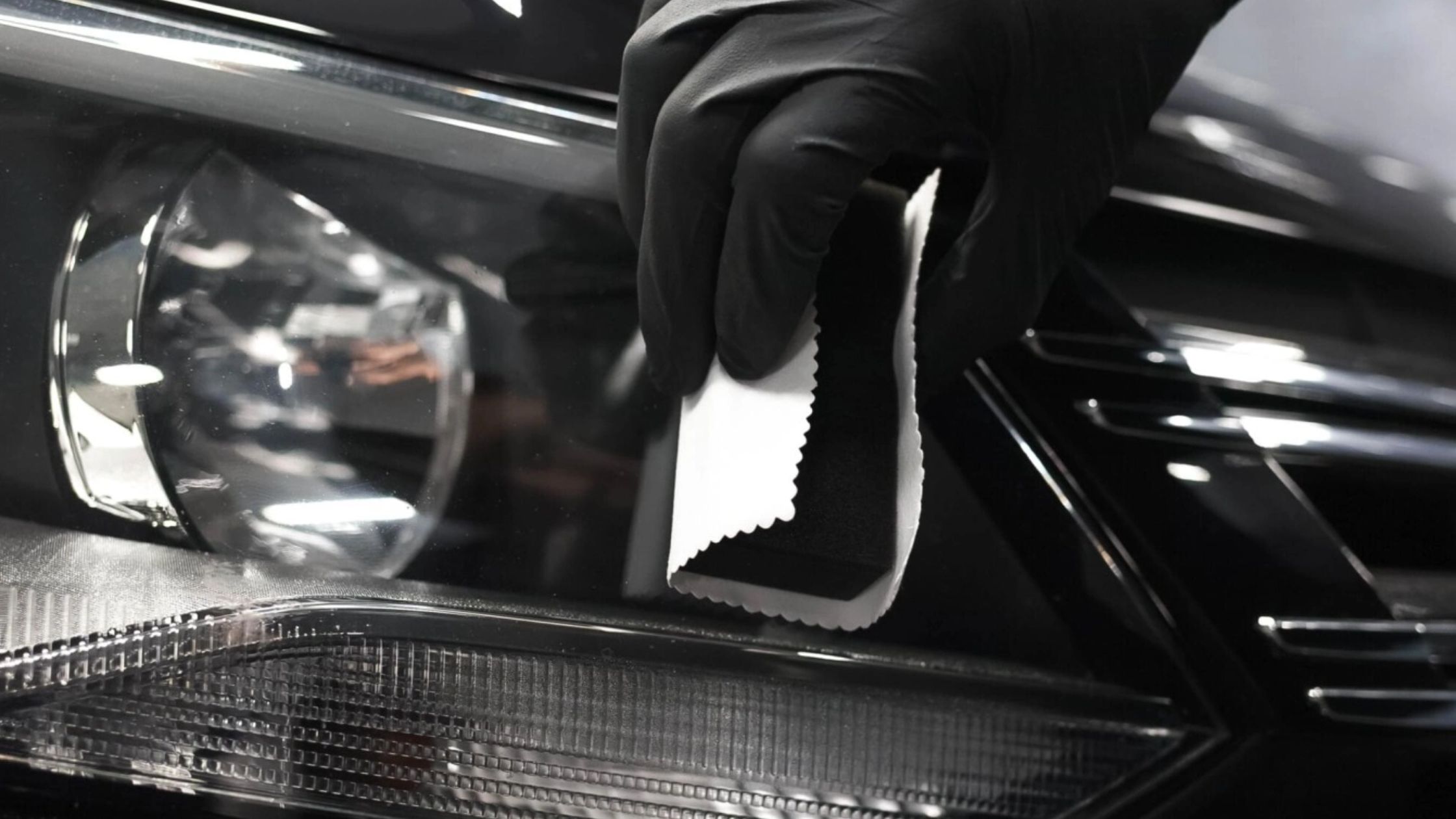
Understanding technical rating scales is essential when evaluating exterior protective treatments for your vehicle's paintwork. Many car owners looking into ceramic coating in Springfield encounter bold claims regarding 9H or 10H hardness ratings and assume these numbers guarantee total immunity against stone chips or deep scratches. In reality, these ratings refer strictly to standardized pencil hardness testing protocols rather than mineral scratch resistance scales. Understanding how these measurements work helps you separate aggressive marketing claims from true surface protection capabilities.
Automotive clear coats are surprisingly soft, measuring around 2H to 4H on the pencil scale. Liquid nano-coatings bond to this clear layer, curing into a dense, semi-permanent barrier that elevates surface resistance to micro-marring, wash swirls, chemical etching, and environmental pollutants. By understanding what pencil hardness testing actually evaluates, vehicle owners across the Ozarks can set accurate expectations for long-term paint defense.
Does Ceramic Coating in Springfield MO Really Offer 9H or 10H Hardness Protection?
Yes, selecting a ceramic coating in Springfield with a certified 9H or 10H rating means the cured coating has passed rigorous standardized testing against pencil lead scratching. However, a 9H or 10H rating does not mean your vehicle's paint becomes as hard as a diamond or completely scratch-proof. The designation simply confirms that a specific graphite pencil pushed across the coated surface at a set angle and pressure failed to gouge or cut into the protective layer.
When professional detailers discuss coating hardness, they are referring to a sacrificial barrier engineered to absorb everyday environmental stress. Vehicles navigating high-traffic corridors like the Kansas Expressway, Sunshine Street, or Glenstone Avenue face constant exposure to road grit, industrial fallout, and atmospheric pollutants. A legitimate 9H or 10H ceramic layer prevents these micro-contaminants from directly contacting and damaging your underlying clear coat.
Laboratory testing protocols require precise environmental conditions to verify these ratings accurately:
- Standardized Film Thickness: The coating liquid must be applied at a consistent micron thickness over a rigid metal test plate.
- Controlled Temperature and Humidity: Samples are cured under strict climate parameters to achieve maximum polymer cross-linking.
- Calibrated Lead Hardness: Testing uses standardized graphite leads ranging from soft (6B) to ultra-hard (9H or 10H).
- Fixed Mechanical Angle: The testing apparatus pushes pencil leads across the coated panel at a fixed 45-degree angle under a uniform weight load.
What Is the Difference Between the Pencil Hardness Scale and the Mohs Scale?
The primary cause of consumer confusion surrounding ceramic ratings stems from conflating the ASTM Pencil Hardness Scale with the Mohs Mineral Hardness Scale. The Mohs scale measures relative mineral scratch resistance from 1 (Talc) to 10 (Diamond), where quartz glass rates at 7 and sapphires rate at 9. Conversely, ceramic coatings are evaluated using the ASTM D3363 Pencil Hardness Scale, which tests gouge and scratch resistance using standardized drawing pencils.
Deciphering the true meaning of 9H ceramic coating requires understanding that 9H represents the hardest standard lead pencil manufactured. A rating of 9H on the pencil scale roughly translates to about 6 to 7 on the Mohs mineral scale. Claiming a coating has 10H pencil hardness indicates the formulation survived testing using specialized 10H industrial lead pencils that exceed standard drawing sets.
Comparing the two measurement systems highlights important performance distinctions:
- Scale Purpose: Pencil hardness tests coating flexibility and surface cohesion, whereas the Mohs scale tests pure mineral scratch resistance.
- Relative Hardness Values: Factory clear coat measures 2H to 4H pencil hardness; cured ceramic coatings achieve 9H to 10H pencil hardness.
- Tooling Differences: Pencil testing uses weighted graphite cores; Mohs testing utilizes solid mineral points drawn directly across test media.
- Real-World Application: Pencil ratings predict resistance to washing marks and micro-swirls, while Mohs ratings predict resistance to sharp, heavy mineral impacts.
Can 9H or 10H Ceramic Coating Prevent Rock Chips and Deep Scratches?
No ceramic coating, regardless of whether it carries a 9H or 10H rating, can prevent high-velocity rock chips or intentional key scratches. Liquid ceramic coatings cure into a glass-like shell that is only a few micrometers thick, which is far too thin to absorb heavy kinetic energy from flying highway gravel. Expecting 10H automotive coating protection to stop flying stones is a common misconception perpetuated by misleading promotional videos.
Commuting daily along fast-moving routes like Highway 65 or the James River Freeway exposes vehicle front ends to sharp stone fragments tossed up by surrounding traffic. While a nano-ceramic layer cannot cushion stone impacts, it excels at mitigating lighter surface friction, such as towel wiping swirls, dry dust dragging, and minor brush contact during routine wash cycles.
A nano-ceramic barrier effectively shields your paint against specific daily hazards:
- Prevents Swirl Marks: Minimizes fine spiderwebbing caused by improper wash mitts and drying towels.
- Defends Against Micro-Marring: Resists minor scuffs from clothing, light vegetation, or accidental contact while parking.
- Stops Chemical Etching: Prevents acidic bird droppings, insect splatters, and tree sap from burning into the paint clear coat.
- Blocks Industrial Fallout: Prevents microscopic airborne iron particles from embedding into deep clear coat pores.
How Are Hardness Ratings Tested in Automotive Ceramic Coatings?
Professional ceramic formulas undergo formal laboratory evaluations known as the Wolff-Wilborn Pencil Hardness Test, governed by ASTM D3363 guidelines. During this test, a technician mounts a specially sharpened graphite pencil into a weighted mechanical sled that exerts precisely 750 grams of downward force. The sled pushes the pencil across the cured ceramic film at a steady speed to determine if the lead cuts or scratches the surface.
Understanding standardized ceramic coating hardness ratings involves reviewing the progression of pencil grades used during testing. The test begins with softer leads and progresses through hard leads until the coating surface shows visible physical indentation.
The hardness scale follows a structured progression from softest to hardest lead types:
- Soft Grades (6B to B): Highly flexible, soft graphite leads used primarily for artistic shading; easily resisted by all cured paints.
- Medium Grades (HB to 3H): Standard writing leads; un-coated factory clear coats typically resist scratching up to 2H or 3H.
- Hard Grades (4H to 6H): Firm technical drawing leads; high-grade synthetic waxes and temporary paint sealants fail within this range.
- Ultra-Hard Grades (7H to 10H): Dense graphite cores; professional nano-ceramic coatings achieve certified scratch resistance across these extreme grades.
If you are evaluating options to protect your vehicle's paint and want to discuss professional coating options, you can contact us to receive a customized recommendation from our team.
Real-World Expectations vs Marketing Claims for 9H and 10H Coatings
To make an educated decision for your vehicle, it helps to compare popular marketing claims directly against verified real-world ceramic coating capabilities.
- Hydrophobic Shedding: Provides a low surface energy slick topcoat that simplifies washing by shedding dirt and water.
- Real Benefits for Drivers: Authentic 9H and 10H ceramic coatings deliver value through chemical resistance, extreme hydrophobicity, optical clarity, and self-cleaning efficiency rather than preventing rock chips.
- All-Weather Protection: Acts as a durable shield against local Ozarks climate conditions, including midsummer solar exposure and corrosive winter road salt.
Key Performance Advantages:
- Extreme Water Repellency: High contact angle beading lets rain wash away surface dirt.
- Superior Chemical Resistance: Protects against harsh solvents, alkaline soaps, acidic bird droppings, and de-icing chemicals (pH 2 to pH 12).
- Intense Optical Gloss: Fills microscopic clear coat imperfections to produce a deep, mirror-like reflective finish.
- Simplified Wash Cycles: Prevents dirt and road film from adhering, removing the need for aggressive scrubbing.
What Real Benefits Do 9H and 10H Coatings Offer to Local Drivers?
While rock chip prevention remains a myth, authentic 9H and 10H liquid ceramic coatings deliver immense value to drivers who want to maintain pristine paint clarity. The real strength of a ceramic coating lies in its chemical resistance, extreme hydrophobicity, and high optical clarity rather than physical impact resistance alone. Sealing your clear coat with liquid nano-technology creates an ultra-smooth surface that repels water and prevents contaminants from bonding.
Navigating changing Ozarks weather conditions throughout the year subjects vehicle exteriors to constant stress. From intense midsummer solar exposure to corrosive winter road salt applications, untreated paint degrades rapidly. A professional nano-ceramic coating acts as a durable, self-cleaning shield that keeps your vehicle looking glossy while reducing maintenance effort.
Installing a verified high-hardness coating yields essential long-term performance benefits:
- Extreme Water Repellency: High contact angle water beading allows rain to sweep away loose surface dirt and grime effortlessly.
- Superior Chemical Resistance: Resists harsh solvents, alkaline wash soaps, acidic bird droppings, and de-icing chemicals ranging from pH 2 to pH 12.
- Intense Optical Gloss: Fills microscopic peaks and valleys in clear coats to create a mirror-like reflective finish with deep color clarity.
- Simplified Wash Cycles: Dirt and road film cannot adhere strongly, eliminating the need for aggressive scrubbing or harsh chemical cleaners.
- Long-Term UV Protection: Prevents solar radiation from oxidizing base paint, protecting vehicle resale value over years of ownership.
How Weather in the Ozarks Demands Reliable Paint Defense
Driving across Springfield and neighboring regional communities exposes personal vehicles to distinct environmental hazards throughout every season. Unprotected clear coats absorb airborne contaminants, acidic sap, and mineral deposits that gradually ruin original factory gloss.
Vehicle owners face localized environmental factors year-round:
- Summer Heat Waves: Extended parking near spots like Nathanael Greene Park, Lake Springfield, or local retail hubs bakes environmental acids directly into hot paint.
- Winter Road De-Icers: Navigating slushy thoroughfares along Sunshine Street, Kansas Expressway, or the Commercial Street historic district splashes corrosive brine onto lower body panels.
- Spring Tree Pollen and Sap: Overhanging trees in classic neighborhoods like Rountree or Phelps Grove drop heavy pollen and sticky sap that etch into untreated clear coats.
- Regional Highway Commuting: Traveling from surrounding communities such as Ozark, Nixa, Republic, Willard, or Branson subjects bodywork to constant bug splatter and road grime.
High-grade 9H and 10H ceramic coatings prevent these local hazards from causing permanent paint defects, preserving your exterior finish across all seasons.
Frequently Asked Questions About 9H and 10H Ceramic Coating Ratings
Is a 10H ceramic coating better than a 9H ceramic coating?
Not necessarily. While 10H indicates the coating survived testing with a harder graphite pencil lead, real-world durability depends more on chemical density, surface preparation, and silica concentration than minor pencil test increments. Both offer exceptional micro-scratch and wash mark resistance.
Can a 9H ceramic coating still get scratched?
Yes, a 9H ceramic coating can still scratch under sufficient physical force. The 9H rating means it resists fine wash marks and light friction, but sharp objects, heavy abrasive pressure, or flying gravel will cut through the micro-thin ceramic layer into the paint beneath.
How long does a 9H ceramic coating last on a vehicle?
A professionally applied 9H ceramic coating typically lasts between 2 and 7 years, depending on product formulation, maintenance habits, and environmental exposure. Regular wash care using pH-neutral shampoos helps maintain the coating's hydrophobic performance over time.
Does applying a 9H ceramic coating void factory paint warranties?
No, applying a professional ceramic coating does not void factory paint warranties. Ceramic coatings protect the underlying factory paint from environmental degradation without altering original body panels or mechanical vehicle systems.
Is a 9H ceramic coating worth the investment for local drivers?
Yes, investing in a certified 9H ceramic coating provides outstanding value for drivers who want to protect their car's gloss and resale value. The combination of easy cleaning, UV defense, and chemical stain resistance significantly reduces long-term detailing costs and paint maintenance effort.
Conclusion: Making an Informed Choice for Your Vehicle Protection
When evaluating options for ceramic coating, understanding the real meaning behind 9H and 10H hardness ratings empowers you to make practical decisions for your vehicle. Rather than treating hardness numbers as absolute armor against rock chips, smart vehicle owners recognize 9H and 10H ratings as indicators of exceptional chemical defense, wash swirl resistance, and self-cleaning efficiency.
Whether you showcase a classic car near the Route 66 Car Museum, take family weekend trips past Bass Pro Shops, or commute daily across the Ozarks, investing in verified ceramic protection preserves your vehicle's head-turning finish for years down the road.
For vehicle owners seeking dependable local expertise, Glass Tint USA provides comprehensive surface protection solutions tailored to your driving habits and paint condition.