

Can Ceramic Coating Be Applied to Matte Paint or Vinyl-Wrapped Vehicles?
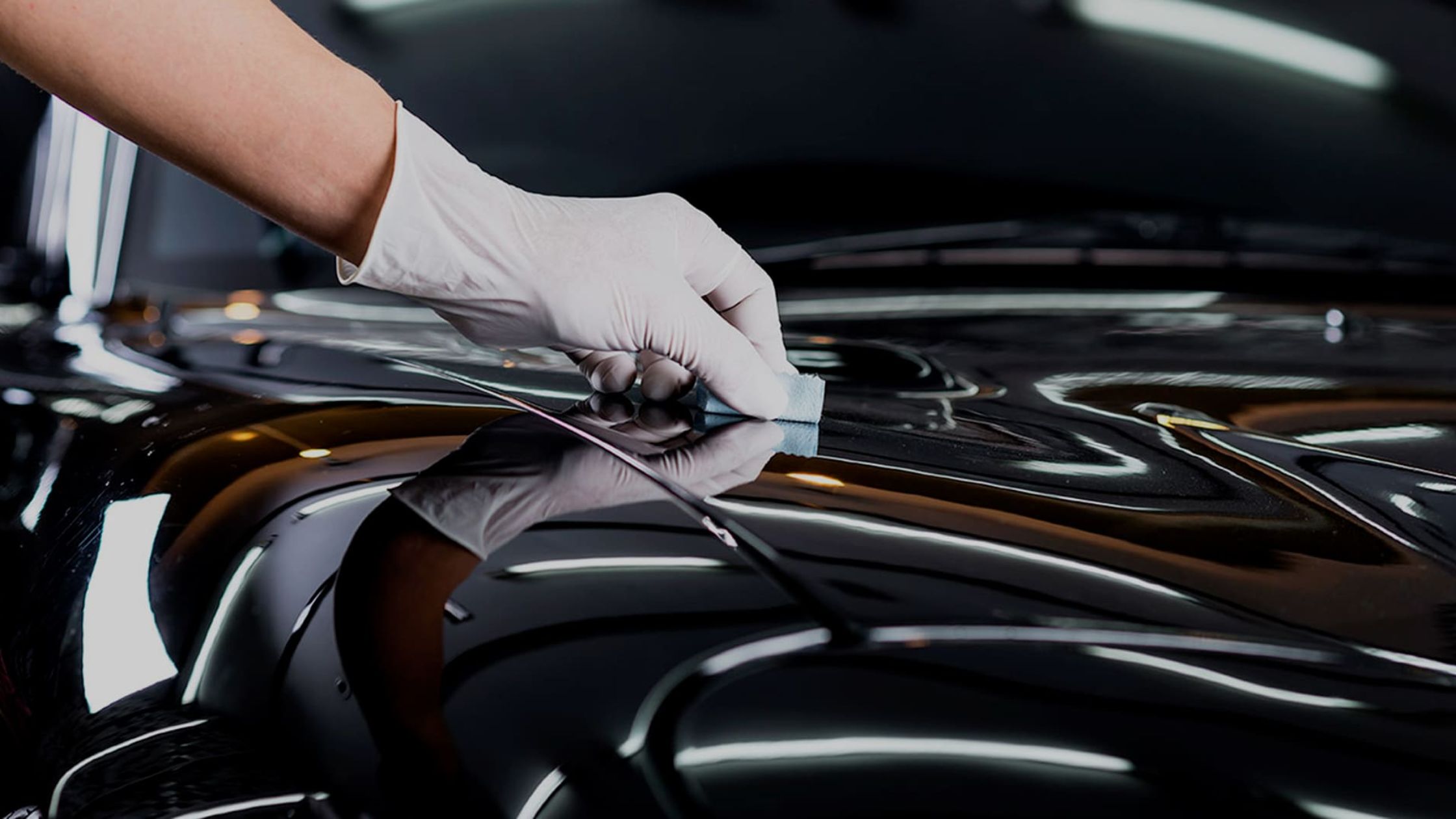
Yes, applying a ceramic coating to matte paint or vinyl-wrapped vehicles is not only safe but highly recommended to protect these sensitive finishes from environmental damage. Choosing professional ceramic coating in Springfield ensures that your specialty finish receives dedicated, non-gloss-enhancing protection designed specifically for flat sheens and flexible vinyl films. Unlike standard clear coat finishes that benefit from regular polishing and compounding, matte paint and vinyl wraps require specialized chemical formulations and meticulous surface prep to preserve their unique textures without altering their appearance.
Specialty finishes present distinct maintenance challenges for vehicle owners throughout the Ozarks. Matte paint cannot be buffed or polished if scratched, and vinyl wraps are prone to fading, staining, and drying out under harsh solar exposure. Applying a tailored ceramic layer bonds directly to the porous surface of matte clear coats and vinyl materials, locking in UV resistance, water-repelling properties, and self-cleaning capabilities for years.
Can Ceramic Coating in Springfield MO Be Applied to Matte Paint or Vinyl-Wrapped Vehicles?
Yes, opting for ceramic coating in Springfield is completely safe for both matte paint finishes and vinyl-wrapped vehicles when specialized coating formulas are used. The key distinction lies in the formulation: traditional ceramic coatings often contain gloss-enhancing additives that can ruin a matte finish by creating unwanted sheen or uneven splotches. In contrast, matte-specific nano-ceramic coatings preserve the flat OEM texture while providing comprehensive environmental defense.
Vehicle owners who drive along high-traffic routes like Sunshine Street, Kansas Expressway, or the James River Freeway face constant exposure to road contaminants, bird drops, and tree sap. For specialty surfaces, these everyday elements pose a high risk because traditional correction techniques cannot remove etched defects. Dedicated ceramic formulas form a slick, hydrophobic barrier across vinyl or matte paint that prevents contaminants from bonding directly to the delicate substrate underneath.
Professional technicians follow specific evaluation parameters when inspecting specialty vehicle surfaces:
- Surface Sheen Consistency: Verifying that the existing matte finish or vinyl film is clean and free of oily residues or gloss waxes.
- Material Compatibility: Matching the exact coating formulation to standard cast vinyl, calendar vinyl, matte paint, or color-change film.
- Absence of Mechanical Defects: Ensuring the underlying surface has no deep scratches, because polishing cannot be performed on matte surfaces prior to coating.
- Substrate Age and Flexibility: Assessing the elasticity of older vinyl wraps to confirm the film can support a semi-permanent ceramic layer without cracking.
How Does Ceramic Coating Protect Delicate Matte Paint Finishes?
Ceramic formulas protect matte finishes by filling microscopic peaks and valleys in the paint without leveling them down or filling them with gloss enhancers. Standard factory clear coats are smooth and reflective, whereas matte clear coats feature microscopic rough textures that scatter light to eliminate reflection. Liquid ceramic formulas engineered for matte paint flow evenly into these microscopic structures, sealing them against moisture, dirt, and UV degradation while keeping light scattering completely intact.
When evaluating a ceramic coating for matte paint, the primary objective is maintaining the original factory flat appearance while creating a protective shield. Because you cannot buff or polish matte paint without turning the flat finish into a shiny spot, ceramic coatings act as a durable preventive shield against permanent surface damage.
Applying ceramic protection to factory or custom matte paint delivers essential long-term benefits:
- Preserves OEM Sheen: Seals the delicate matte clear coat without adding unwanted reflection, shine, or greasy highlights.
- Prevents Chemical Etching: Defends porous matte paint against acidic bird droppings, bug splatter, and mineral-heavy hard water drops.
- Blocks Sun Degradation: Creates a strong barrier against intense Ozarks solar radiation that causes fading and chalking over time.
- Simplifies Maintenance Wash Routine: Hydrophobic water-beading properties prevent dirt from sticking, allowing grime to wash off effortlessly during routine rinses.
Can You Put Ceramic Coating Over Vinyl Wraps and Paint Protection Film?
Yes, installing a liquid ceramic coating over vinyl wraps or clear Paint Protection Film (PPF) extends the lifespan of the wrap material significantly. Vinyl films are naturally porous and susceptible to ambient pollution, fuel spills, UV radiation, and premature oxidation. Applying a flexible nano-ceramic coating seals the microscopic pores of the vinyl, locking out harmful elements and making routine washing much easier.
When applying a coating for vinyl-wrapped vehicles, detailers use ceramic formulas engineered with flexible polymers. These advanced formulations expand and contract alongside the vinyl during seasonal temperature swings without cracking, peeling, or lifting wrap edges.
Installing ceramic coatings on wrapped or filmed vehicles provides distinct surface enhancements:
- Resists Film Discoloration: Prevents light-colored vinyl wraps from yellowing or dulling due to continuous exposure to road grime and UV rays.
- Stops Oil and Fingerprint Staining: Minimizes unsightly hand oils, smudge marks, and petrol stains on matte or satin vinyl films.
- Enhances Color Depth: Deepens the rich pigment of matte, satin, or gloss color-change wraps without altering the underlying sheen.
- Eases Bug and Tar Removal: Reduces the physical scrubbing needed to clean front bumpers, protecting fragile wrap seams from lifting.
What Is the Difference Between Standard and Matte-Specific Ceramic Coatings?
The primary difference between standard ceramic coatings and matte-specific coatings lies in their optical properties and chemical fillers. Standard ceramic coatings contain gloss resins and leveling agents designed to maximize reflection, depth, and shine on standard glossy clear coats. If applied to a matte surface, these gloss resins produce uneven streaks, shiny patches, and ruin the uniform flat sheen of the vehicle.
Matte-specific ceramic coatings eliminate gloss-boosting additives entirely. Instead, they utilize pure nano-silicon dioxide (SiO2) or silicon carbide (SiC) structures suspended in neutral solvent bases. This allows the liquid coating to cure into an optically transparent, micro-thin glass barrier that follows the exact contour of the matte texture.
Here is a side-by-side comparison of standard clear coat finishes versus specialty matte and vinyl surfaces:
| Feature / Consideration | Standard Gloss Clear Coat | Factory Matte Paint | Vinyl Wrap or Color-Change Film |
|---|---|---|---|
| Polishing Capabilities | Full machine compounding and polishing allowed | Absolute zero polishing allowed; removes matte sheen | Light finishing polish only on specialized gloss wraps |
| Coating Type Required | High-gloss ceramic formulas with reflective resins | Non-gloss, pure matte-specific nano-coatings | Flexible ceramic coatings safe for vinyl substrates |
| Primary Risk Factor | Swirl marks, wash haze, and micro-scratches | Shiny spots from friction or incorrect wax products | Drying out, edge lifting, fading, and yellowing |
| Surface Decontamination | Mechanical clay bar, iron dissolvers, alcohol prep | Delicate chemical decontamination sprays only | Mild solvent wash, iron remover, and dedicated wrap prep |
| Main Application Goal | Maximize mirror reflection and gloss depth | Protect fragile flat sheen against staining | Extend wrap lifespan, resist fading, and block stains |
What Is the Preparation Process Before Coating Specialty Finishes?
Meticulous surface preparation is the foundation of any successful ceramic installation, especially on matte paint and vinyl wraps. Because mechanical machine polishing cannot be performed on matte paint without permanently ruining the finish, technicians rely entirely on specialized chemical decontamination methods. Securing reliable protection for specialty finishes requires following a strict, zero-abrasion preparation process.
Step 1: pH-Neutral Chemical Wash
Technicians begin with a dedicated pH-neutral shampoo free of gloss enhancers, silicone additives, or waxes. This removes loose dust, road film, and surface oils without depositing artificial shine layers onto the matte paint or vinyl film.
Step 2: Chemical Decontamination Spray
Vehicles commuting through high-traffic corridors like Highway 65 or Glenstone Avenue gather iron fallout, brake dust, and environmental pollution. Detailers apply dedicated chemical iron removers that dissolve metal particles embedded in the surface without requiring abrasive friction.
If you have questions about your vehicle's specific finish or want to schedule an evaluation, you can contact us to receive an estimate from our team.
Step 3: Matte-Safe Solvent Wash and Tar Removal
Stubborn road tar, tree sap, and fuel residue require specialized solvent cleaners that are completely safe for sensitive matte clear coats and vinyl wrap adhesives. These solvents break down sticky contaminants on contact, allowing them to be wiped away gently with ultra-soft microfiber towels.
Step 4: Alcohol Prep Surface Inspection
Before applying the ceramic liquid, all panels are wiped down using a specialized matte surface prep spray or dilute isopropyl alcohol mixture. This crucial step removes any remaining solvent residue or oils, leaving a completely bare substrate for maximum ceramic chemical bonding.
How Do You Maintain Ceramic Coated Matte Paint and Vinyl Wraps?
Maintaining a ceramic-coated matte or vinyl-wrapped vehicle requires simple, consistent habits and matte-safe car care products. Although ceramic coatings reduce maintenance effort significantly by shedding dirt and water, using incorrect wash products like glossy quick-detailers or automatic brush car washes can damage the finish.
Following appropriate care routines ensures your specialty finish stays protected for years:
- Use Pure Shampoos: Wash your vehicle exclusively with dedicated, wax-free, and gloss-free auto shampoos formulated for matte finishes and vinyl wraps.
- Employ the Two-Bucket Method: Use grit guards and separate wash buckets for clean rinse water to prevent dirt particles from scratching the surface.
- Avoid Automatic Friction Washers: Drive-thru car washes with heavy nylon brushes or harsh recycled water will scratch matte paint and tear vinyl wrap edges.
- Use Soft Microfiber Towels: Dry the vehicle using ultra-plush microfiber drying towels or blown warm air to avoid aggressive friction.
- Clean Contaminants Promptly: Wipe off bug splatter, bird droppings, or tree sap as soon as possible using dedicated matte detail sprays.
When Should You Avoid Applying Ceramic Coating to Vinyl Wraps?
While ceramic coatings benefit most vinyl-wrapped vehicles, certain compromised film conditions make coating application inadvisable. Applying a semi-permanent nano-ceramic coating over damaged, lifting, or severely aged vinyl can accelerate wrap degradation and make future wrap removal extremely difficult.
If your vehicle exhibits any of the following conditions, the vinyl wrap should be repaired or replaced before coating:
- Active Edge Lifting: Sections along door jams, bumper seams, or hood edges where vinyl adhesive has failed and the film is peeling back.
- Severe Sun Chalking and Cracking: Old, dried-out vinyl displaying web-like surface cracks, flaking material, or faded spots.
- Excessive Bubbling: Large air pockets beneath the film indicating compromised adhesive contact with the underlying paint.
- Torn or Gauge-Damaged Sections: Physical tears, deep scrapes, or stone cuts through the vinyl layer exposing base metal or original paint.
How Does Midwest Weather Affect Matte Paint and Vinyl Wraps in the Ozarks?
Living in the greater Springfield area subjects custom vehicles to extreme seasonal weather shifts that test the limits of specialty automotive finishes. From scorching summer humidity to freezing winter road salt treatments, local climate conditions rapidly degrade unprotected vinyl wraps and porous matte finishes.
Drivers throughout regional communities face specific environmental hazards year-round:
- Summer UV Radiation: Extended parking near outdoor destinations like Nathanael Greene Park, Lake Springfield, or local shopping hubs bakes contaminants into unsealed vinyl and matte paint.
- Winter Road De-Icers: Driving along treated routes like Sunshine Street, Route 66, or the Commercial Street historic district splashes corrosive salt brine into vulnerable wrap seams.
- Spring Tree Sap and Pollen: Overhanging trees in classic neighborhoods drop acidic sap and sticky pollen that etch quickly into flat matte clear coats.
- Highway Gravel Debris: Commuting from neighboring communities like Ozark, Nixa, Republic, Willard, or Branson exposes front bumpers to loose stone chips and grit along high-speed corridors.
Liquid ceramic coatings create dense, chemically resistant barriers that prevent environmental moisture, road salt, and UV rays from breaking down specialty surfaces.
Long-Term Advantages of Coating Specialty Automotive Finishes
Investing in professional ceramic protection for custom matte paint or vinyl wraps preserves your vehicle's striking visual impact while reducing routine detailing stress. Instead of worrying about permanent spots or premature wrap peeling, owners enjoy peace of mind knowing their investment is shielded by modern nano-technology.
Key long-term benefits include:
- Extended Wrap Lifespan: Ceramic sealants keep vinyl pliable and UV-resistant, adding 2 to 3 years of usable life to wrap installations.
- Preserved Resale Value: Vehicles with pristine, stain-free specialty finishes command higher values on private enthusiast markets.
- Effortless Cleaning: Water-beading performance allows mud, road splash, and grime to rinse off quickly without aggressive scrubbing.
- Durable UV Protection: Prevents dark matte paints and vibrant vinyl pigments from dulling or chalking under intense sun exposure.
Frequently Asked Questions About Ceramic Coating for Matte and Vinyl
Will ceramic coating turn my matte paint glossy or shiny?
No, a dedicated matte ceramic coating will not make your matte paint glossy. Pure matte coatings contain zero gloss resins or reflective fillers, preserving your vehicle's authentic flat sheen while adding hydrophobic defense and UV protection.
Can ceramic coating be applied over gloss vinyl wraps and PPF?
Yes, ceramic coating can be applied to gloss vinyl wraps and clear Paint Protection Film (PPF). On gloss wraps, specialized ceramic formulas enhance color depth and gloss clarity while adding self-cleaning properties that protect the film underneath.
How do detailers clean matte paint without polishing it?
Detailers clean matte paint using chemical decontamination products rather than mechanical abrasives. They use pH-neutral shampoos, iron fallout removers, tar solvents, and clay lubricants specifically formulated to dissolve embedded dirt without scratching or polishing the flat clear coat.
How long does a ceramic coating last on a vinyl-wrapped car?
On a vinyl-wrapped vehicle, a high-quality ceramic coating typically lasts between 2 and 3 years. Because vinyl is flexible, flexible ceramic formulas move with the substrate, providing long-lasting defense against UV fading, oil stains, and road grime.
Can I wax my matte painted or vinyl-wrapped vehicle instead of coating it?
No, you should never apply traditional paste wax or glossy spray wax to matte paint or matte vinyl. Wax contains fillers and shiny oils that fill the matte surface texture, creating greasy, uneven shiny patches that are difficult to remove without harming the finish.
Conclusion: Safeguarding Your Specialty Finish for the Road Ahead
When evaluating ceramic coating in Springfield MO, specialty surfaces like matte paint and vinyl wraps represent prime candidates for nano-ceramic surface defense. By avoiding aggressive polishing and utilizing specialized non-gloss formulas, vehicle owners achieve unmatched protection against UV rays, acid rain, bird droppings, and regional winter salts.
Whether you showcase a custom-wrapped sports car near the Route 66 Car Museum, take weekend drives past Bass Pro Shops, or commute daily across the Ozarks, protecting your vehicle's unique finish preserves its head-turning style for years to come.
For driver enthusiasts seeking dependable local craftsmanship, Glass Tint USA provides expert automotive protection services tailored to the exact requirements of your vehicle's finish.