

How Soon Should You Apply Ceramic Coating to a New Car in Springfield MO?
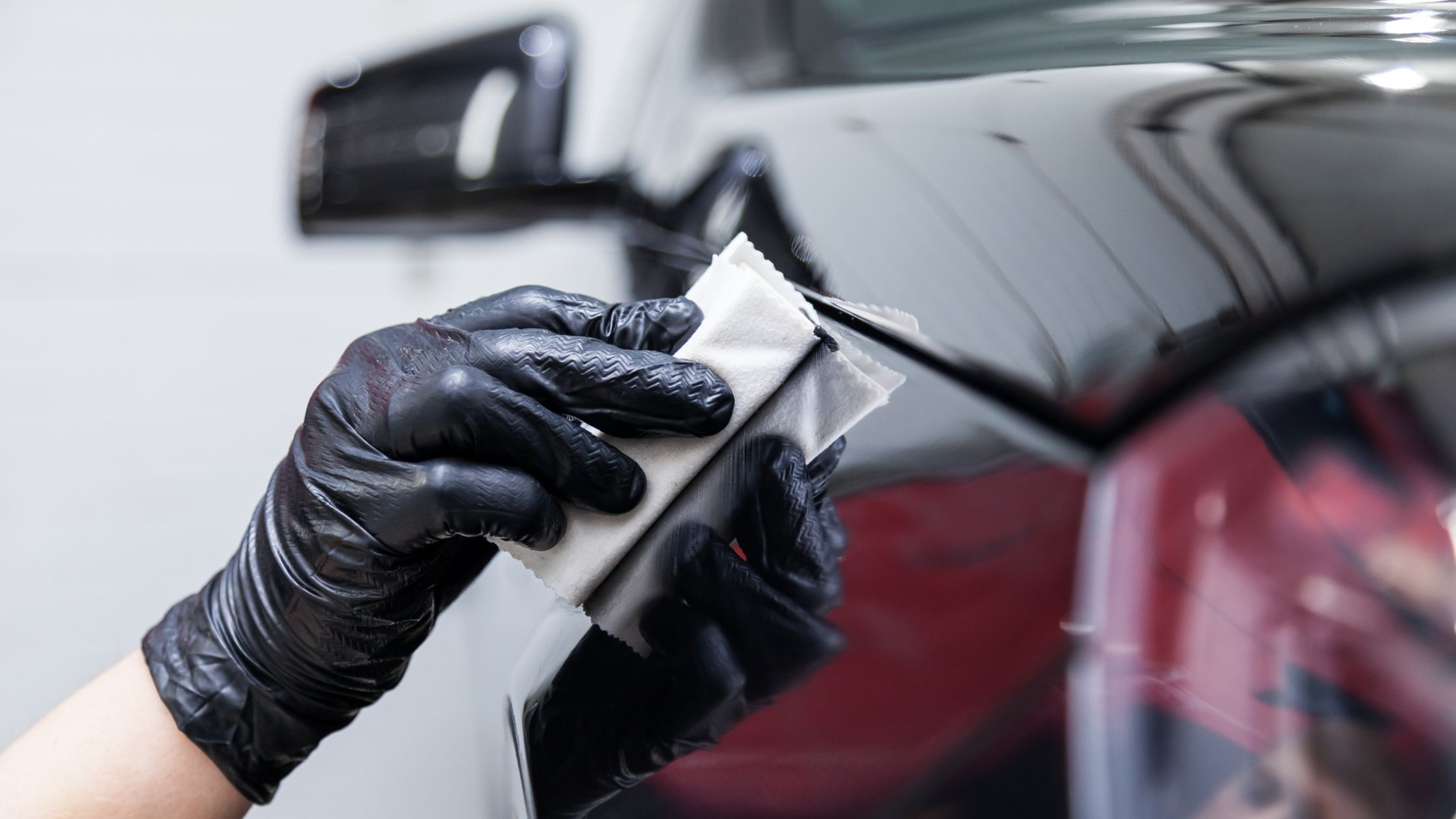
Investing in a premium protective layer for your vehicle is a smart decision, but you must prepare the surface correctly to get the best results. Yes, you should apply a protective layer as soon as possible, ideally within the first week of ownership. Applying a ceramic coating in Springfield MO immediately prevents environmental damage, locks in that pristine showroom shine, and avoids the accumulation of micro-scratches that occur during regular driving. Waiting even a few weeks exposes your fresh clear coat to road debris, hard water spots, and industrial fallout that make the application process more complex and costly.
Many car buyers believe that a vehicle arriving straight from the factory possesses flawless paintwork. In reality, new cars spend weeks sitting in transit yards, riding on open-air train cars, and waiting on transport trucks. During this journey, microscopic iron particles and environmental fallout settle deep into the porous clear coat.
By taking proactive measures, you preserve the unblemished state of your factory clear coat. It is highly recommended to schedule a professional paint evaluation before road grime begins to impact the surface clarity. This ensures your vehicle receives a strong, permanent bond from day one of ownership.
Why You Should Choose Ceramic Coating in Springfield MO for New Cars
Choosing a premium ceramic treatment for your brand-new vehicle is the single most effective way to maintain its resale value. Unlike traditional waxes or synthetic sealants that wash away in a few months, a ceramic formula cures into a semi-permanent glass shield. This ultra-hard layer repels liquid contaminants, resists light abrasion, and makes washing your car incredibly easy.
The local climate in Southwest Missouri can be exceptionally harsh on fresh automotive paint. High summer temperatures, intense UV radiation, and sudden spring storms damage unprotected surfaces rapidly. A ceramic shield acts as a sacrificial barrier, absorbing the brunt of this environmental wear so your clear coat remains untouched.
Furthermore, the deep, reflective gloss achieved by this technology cannot be matched by any retail wax product. The liquid polymer fills in microscopic pores, creating an optically flat surface that reflects light perfectly. This results in an intense, wet-look shine that lasts for years rather than weeks.
What is the Best Window of Time to Protect Your Car?
Ceramic coating in Springfield MO should ideally be applied within the first two hundred miles of driving your new vehicle. This window represents the period when your vehicle's paint has suffered the least amount of road exposure. Applying the protection during this early stage minimizes the time required for prep work and correction.
If you wait several months, your paint will inevitably collect fine scratches, swirl marks, and bonded contaminants. Even driving down South Campbell Avenue or Sunshine Street can introduce road tar, oil, and iron dust to your paint. The longer you wait, the more correction work your vehicle will need before the coating can be safely applied.
For those looking to preserve their investment, we suggest securing professional surface preparation immediately after taking delivery. Doing so ensures that the paint is sealed in its absolute best condition, saving you both time and labor costs.
The Hidden Reality of Dealership "New Car Prep"
Many buyers assume that because they paid a dealership detailing fee, their vehicle's paint is in pristine condition. Unfortunately, dealership prep departments are notorious for speed rather than quality. They often use cheap, silicone-heavy glazes that temporarily hide scratches and swirl marks instead of actually fixing them.
These temporary fillers wash away after just one or two rainstorms, revealing the true condition of the paint underneath. The automatic car washes used by many dealerships also introduce thousands of tiny scratches known as holograms. These defects must be physically corrected before any permanent protective layer can be applied.
Additionally, transport wrap adhesives can leave a sticky residue that attracts dirt and ruins the bond of any protective coating. A professional detailing studio will completely strip these chemical residues. This thorough cleansing ensures the paint is truly bare and ready for a long-lasting chemical bond.
Why Factory Paint Requires Immediate Protection
Modern automotive manufacturing has shifted toward water-based paint systems to meet environmental regulations. While these paints look beautiful, they are significantly softer and thinner than the solvent-based clear coats used in the past. This makes a ceramic coating for factory paint an absolute necessity rather than an optional luxury.
Without an added layer of defense, a new car's soft clear coat is easily damaged by minor environmental elements. Acid rain, bird droppings, and tree sap can eat through thin clear coats in a matter of days. Once these contaminants etch into the paint, they can only be repaired through aggressive compounding.
A ceramic coating chemically fuses with this soft factory clear coat, dramatically increasing its surface hardness. This added strength prevents micro-marring from hand washing and protects the underlying paint from chemical etching. It serves as a durable shield that preserves the structural integrity of your vehicle's exterior.
Does a New Car Need Paint Correction Before Coating?
Yes, almost every new car requires at least a single-stage light paint correction before receiving a ceramic coating. Even if the vehicle looks perfect under normal garage lighting, professional LED lights will reveal transport scratches, factory sanding marks, and dealership wash marring.
If you skip this correction step, the transparent ceramic layer will lock these visual imperfections under a hard glass barrier. The only way to fix them later is to polish off the expensive coating, correct the paint, and reapply the product. Correcting the paint first ensures you get the absolute best visual results.
Before applying any product, you should have a thorough paint inspection done to analyze the health of your clear coat. A trained technician will measure your paint thickness using an ultrasonic gauge to determine the safest correction plan.
Environmental Hazards Your New Car Faces in the Ozarks
Southwest Missouri presents a highly challenging environment for keeping a vehicle clean and protected. Commuting daily on the James River Freeway or Glenstone Avenue exposes your car's front end to high-speed road debris and industrial pollution. Without new vehicle paint protection, these harsh elements will quickly erode your factory paint.
During our humid summer months, parking near local landmarks like Bass Pro Shops or the Battlefield Mall exposes your vehicle to tree sap and bird droppings. When baked under the hot Missouri sun, these highly acidic substances can permanently etch into unprotected clear coat within hours.
Winter brings different but equally destructive hazards to our local roads. Heavy road salt, sand, and liquid de-icers used throughout Springfield, Nixa, and Ozark cling to your car's lower panels. A premium ceramic barrier prevents these corrosive salts from bonding to your paint and causing premature oxidation.
Comparing Paint Protection Options for New Cars
Choosing the right level of protection for your new vehicle depends on your budget, driving habits, and maintenance preferences. While there are several options on the market, they differ vastly in durability, protection levels, and ease of maintenance.
The table below outlines how ceramic coatings compare to other popular methods for preserving your vehicle's exterior.
| Protection Type | Average Lifespan | Primary Protection Benefit | Maintenance Requirement | Resistance to Chemicals |
| Traditional Carnauba Wax | 4 to 8 Weeks | High gloss, minimal protection | Frequent reapplication required | Extremely low |
| Synthetic Paint Sealant | 4 to 6 Months | Basic UV and dirt resistance | Bi-annual application needed | Moderate |
| Ceramic Coating | 2 to 9 Years | High chemical, UV | Easy, routine hand washes | Extremely high |
| Paint Protection Film (PPF) | 5 to 10 Years | Maximum physical impact defense | Special edges require careful washing | High |
While Paint Protection Film offers the best defense against physical rock chips, a ceramic coating provides the ultimate protection against chemical stains, UV rays, and environmental fading. Many owners choose to combine both methods for the absolute highest level of vehicle preservation.
How Does a Professional Apply Ceramic Coating to a New Car?
The application process is a highly meticulous, multi-step system that requires a controlled indoor environment. It is not as simple as wiping a product on and buffing it off. Each phase must be executed with extreme precision to ensure the coating cures properly and lasts for its rated lifespan.
Step 1: Detailed Decontamination Wash
The vehicle undergoes a thorough hand wash using a pH-balanced soap to remove clean dirt and grime. Next, an iron remover is sprayed over the body to dissolve microscopic rail dust and metallic particles embedded in the clear coat. A clay bar treatment follows to pull out any remaining bonded contaminants, leaving the paint glass-smooth.
Step 2: Precision Paint Correction
Even on new vehicles, a light polish is performed to remove light transport scratches and maximize surface gloss. This step levels the clear coat on a microscopic scale, ensuring a perfectly flat surface. The flatter the paint, the better the ceramic coating will bond and the higher the final gloss will be.
Step 3: Chemical Panel Prep Wipe
An isopropyl alcohol (IPA) solution is sprayed over all painted surfaces to strip away any polishing oils, residues, or leftover waxes. This step is critical because any oils left on the paint will prevent the ceramic coating from forming a strong chemical bond with the clear coat.
Step 4: Controlled Coating Application
The liquid ceramic polymer is applied section by section using a specialized applicator pad. The detailer must carefully monitor the ambient temperature and humidity to determine the exact moment the coating "flashes" or begins to cure. Once it flashes, the excess product is carefully buffed away with clean microfiber towels.
Step 5: Controlled Infrared Curing
After application, the coating requires a minimum of twelve to twenty-four hours to cure in a dry, temperature-controlled environment. Many professional shops use specialized infrared curing lamps to accelerate this process. This initial curing phase is crucial, as exposure to rain or moisture during this time can ruin the coating's durability.
How to Maintain Your New Car After Ceramic Coating
While a ceramic treatment makes your car much easier to clean, it is not completely maintenance-free. Proper care is essential to ensure the hydrophobic properties and intense gloss remain active for years to come.
- Avoid Automatic Car Washes: The stiff, dirty nylon brushes at automated car washes will scratch your coating and diminish its performance.
- Use the Two-Bucket Method: Wash your vehicle by hand using one bucket for soapy water and a second bucket of clean water to rinse your wash mitt.
- Select pH-Neutral Shampoo: Always use a high-quality, pH-neutral car wash shampoo that does not contain added waxes or fillers.
- Dry with Microfiber: Use a plush, clean microfiber drying towel or an air blower to dry the vehicle without scratching the surface.
- Apply a Seasonal Topper: Use a ceramic booster spray every three to six months to revitalize the hydrophobic properties and protect the underlying coating.
Common Misconceptions About Protecting New Factory Paint
There are several widespread myths regarding new cars and ceramic coatings that can lead to improper vehicle care. Understanding the science behind these products helps you make informed decisions about your vehicle's maintenance.
Myth 1: New paint needs to "cure" before coating
This is true for aftermarket body shop repaints, which require thirty to ninety days to fully off-gas solvents. However, factory paint is baked at extremely high temperatures in the assembly plant, meaning it is completely cured before the vehicle ever leaves the factory doors.
Myth 2: Ceramic coatings make your car scratch-proof
While a coating adds a highly durable sacrificial layer that resists micro-marring and swirl marks, it is not bulletproof. Sharp rocks, automatic car wash brushes, and improper washing techniques can still scratch a ceramic-coated vehicle.
Myth 3: You never have to wash your car again
Ceramic coatings have self-cleaning properties, meaning dirt and water slide off much easier than on unprotected paint. However, road film, traffic grime, and fine dust will still accumulate over time and must be washed away to keep the coating working properly.
Frequently Asked Questions About Ceramic Coating for New Cars
Can I apply ceramic coating to a brand-new car myself?
While DIY consumer kits exist, professional application is highly recommended for new cars to guarantee proper decontamination and correction. Professional coatings use stronger chemical formulas that require a highly controlled environment, specialized curing lamps, and experienced handling to avoid permanent high spots.
Will ceramic coating protect my new car from rock chips?
No, ceramic coatings are too thin to absorb the high-speed impact of gravel or road debris. If you want protection against physical impact for your commutes around Republic or Rogersville, you should consider combining a ceramic coating with Paint Protection Film (PPF).
How long does it take to apply a coating to a new vehicle?
The entire process typically takes between one and two days to complete properly. This timeline includes the initial decontamination wash, a light paint correction, the meticulous application of the coating, and the essential overnight curing period in a controlled environment.
Is ceramic coating worth the investment for a leased vehicle?
Yes, a ceramic coating is highly beneficial for leased vehicles because it protects against paint staining, minor scratches, and environmental damage that can lead to costly end-of-lease wear-and-tear fees. It also ensures you enjoy a beautiful, easy-to-clean vehicle for the duration of your lease.
What is the difference between ceramic coating and paint sealant?
A paint sealant is a synthetic polymer that sits on top of the paint and lasts for a few months. A ceramic coating chemically bonds with the clear coat on a molecular level, creating a semi-permanent, glass-like barrier that lasts for several years and offers far superior chemical resistance.
Conclusion
Investing in professional paint preservation is the absolute best way to ensure your new vehicle retains its showroom beauty for years to come. By applying a premium shield immediately after purchase, you protect your thin factory clear coat from Southwest Missouri's unpredictable weather and harsh road conditions. Waiting to protect your paint only leads to unnecessary wear and costly correction work down the line.
When it comes to safeguarding your fresh clear coat, a professional ceramic coating in Springfield MO is the ultimate investment. At Glass Tint USA, we specialize in high-end automotive protection, providing meticulous surface preparation and industry-leading applications that keep your car looking flawless.
If you are ready to give your new vehicle the ultimate defense against the elements, you can contact us to book your appointment. Our team at Glass Tint USA is proud to have a 5-star rating with over 420 Google reviews as of today, reflecting our absolute commitment to delivering exceptional results for every vehicle owner in the Ozarks.