

What Are the Signs You Need to Replace Your Car Window Tint in Springfield MO?
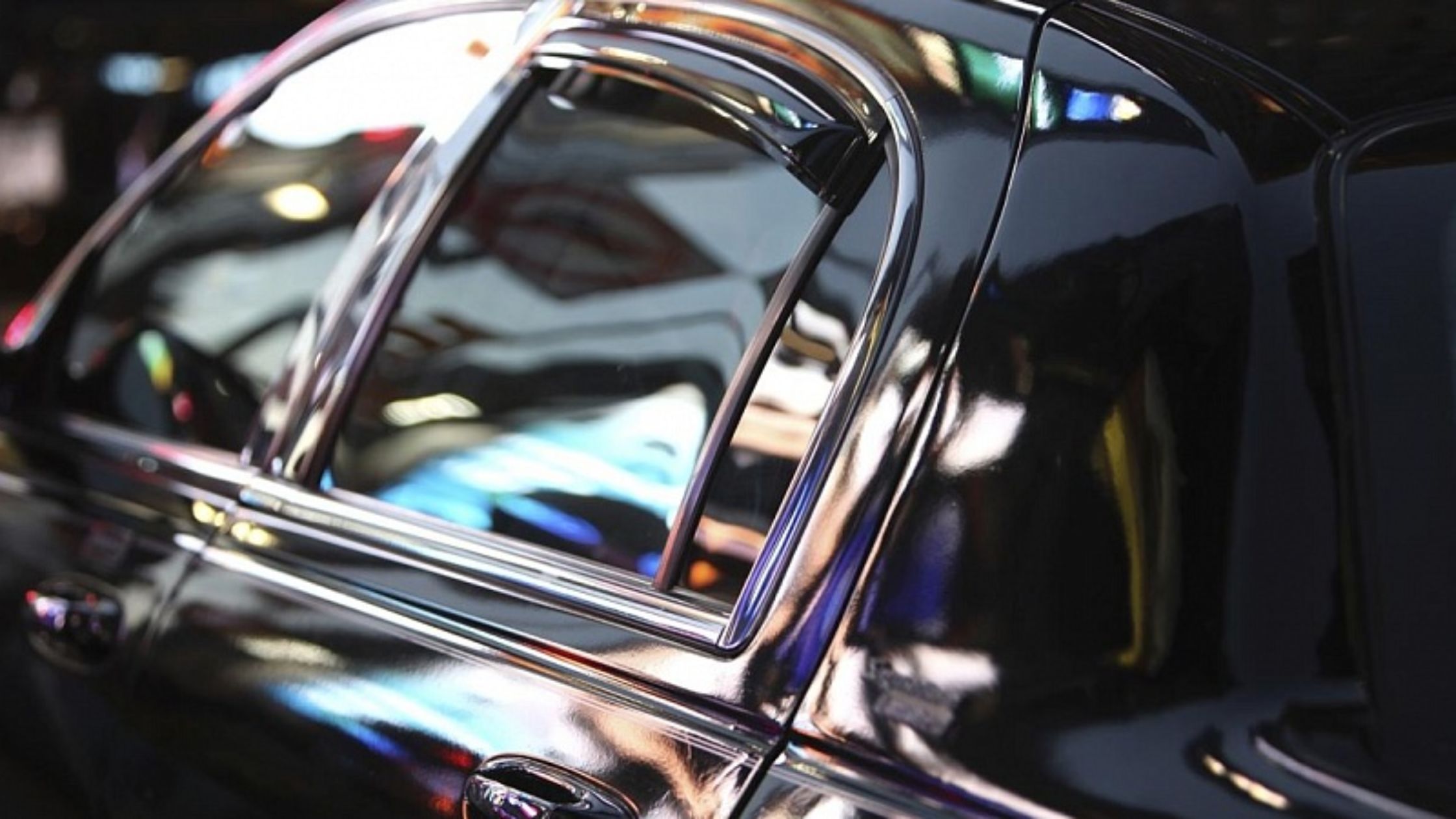
Recognizing when it is time to replace your window film is vital for maintaining the safety, value, and comfort of your vehicle. For many local drivers, the first sign of a problem is a distorted view when looking toward landmarks like the Bass Pro Shops Grandview Tracker Tower or while navigating the heavy traffic on Glenstone Avenue. When window film begins to fail, it no longer provides the 99% UV protection or heat rejection it once did, leaving your interior vulnerable to the intense Missouri sun. If you notice bubbling, peeling, or a strange purple hue, these are clear indicators that your car window tinting in Springfield MO has reached the end of its functional lifespan and needs professional attention to restore your driving visibility.
When to replace car window tint?
You should replace your car window tint when you notice physical degradation such as air bubbles, peeling edges, or a significant change in the film's color or clarity. Most high-quality window films are designed to last between five and ten years, but the extreme temperature swings in the Ozarks can accelerate this timeline for lower-tier products. If the film no longer keeps your cabin cool during a summer afternoon at the Battlefield Mall, the adhesive or the heat-rejection layers have likely broken down.
The decision on when to replace car window tint often comes down to safety and aesthetics. A film that is starting to "crinkle" or develop a hazy appearance can severely impair your ability to see pedestrians or other vehicles, especially during sunset on the James River Freeway. Because visibility is the most critical factor for safe driving, any film that distorts your view should be removed and replaced immediately to comply with safety standards and protect yourself on the road.
If you are unsure whether your current film is still effective, you can schedule automotive services with a specialist who can use a tint meter to check the current VLT and UV rejection levels. This professional assessment ensures you aren't driving with a compromised product that fails to protect your skin and your car's interior.
How often should you invest in car window tinting in Springfield MO?
The frequency with which you should invest in car window tinting in Springfield MO depends heavily on the quality of the film previously installed and how much time the vehicle spends parked outdoors. In a city where humidity and heat can be intense, a basic dyed film might only last three years before showing signs of failure. Conversely, a premium ceramic film installed by a professional can often last for the entire duration of your vehicle ownership without ever needing a replacement.
Maintaining your vehicle in a garage or using a sunshade when parked near Missouri State University can help extend the life of your tint. However, most drivers find that every seven to eight years is a standard interval for a "refresh" if they originally chose a mid-grade option. This ensures that the aesthetic remains sharp and the heat rejection remains at peak performance for your daily commute through neighborhoods like Rountree or the Southside.
What are common signs of damaged window tint?
Identifying signs of damaged window tint early can prevent more significant issues, such as the adhesive becoming permanently baked onto the glass, which makes removal much more expensive and difficult. If you see any of the following issues, your window film is no longer performing its job.
Bubbling and Blistering
Bubbles are the most frequent sign that the adhesive bond between the film and the glass has failed. This often happens because of poor initial installation or the use of low-quality materials that cannot handle the Missouri humidity. Once a bubble forms, it will likely spread, eventually creating a "pocket" of air that distorts your vision and looks unprofessional when parked in the Downtown Springfield CID.
Peeling at the Edges
If you notice the corners of the film lifting away from the glass, you are dealing with bubbling or peeling window tint issues that will only get worse. Peeling is often caused by the friction of rolling the windows up and down over several years. Once the edge is lifted, debris and moisture can get underneath, leading to a complete failure of the film's structural integrity.
Purple Discoloration
Cheap window films use dyes to achieve their dark color. Over time, the UV rays from the sun break down these chemical dyes, leaving behind a purple or blue tint. Not only does this look dated, but it also indicates that the film has lost its ability to block heat and harmful radiation. Modern carbon and ceramic films are "color-stable" and are guaranteed not to turn purple.
Hazy or Cloudy Appearance
If your windows look "milky" or hazy even after a thorough cleaning, the internal layers of the film are likely de-laminating. This is a serious safety concern as it creates a "veil" over your vision, making it difficult to judge distances or see brake lights on Highway 65 during a rainstorm.
Does damaged window tint affect your car's resale value?
Yes, failing window tint can significantly decrease the perceived value of your vehicle. When a potential buyer in the Springfield area sees purple, bubbling, or peeling film, they see an immediate repair cost and a sign of potential neglect. It suggests that the interior of the car has not been protected from the sun, which often means the leather or plastic components are also at risk of cracking or fading.
To maximize your car's value before listing it for sale, you should schedule automotive services to have the old film removed and replaced with a high-quality product. A clean, professional tint job adds "curb appeal" and gives the buyer confidence that the vehicle has been well-maintained and protected from the elements.
How does the Missouri weather cause window tint to fail?
The Ozarks environment is particularly tough on aftermarket automotive products. The cycle of high humidity followed by dry, intense heat creates a constant state of expansion and contraction for the glass. This physical stress can weaken the adhesive layer of the film over several years.
- Humidity: High moisture levels can interfere with the curing process of the adhesive if not installed in a climate-controlled shop.
- Thermal Shock: Moving from a cold garage into 100-degree heat on a Sunshine Street parking lot can cause lower-quality films to "craze" or develop tiny cracks.
- UV Intensity: Even on cloudy days, the UV levels in Missouri are high enough to degrade the polyester layers of non-ceramic films.
Comparison of Tint Lifespan and Failure Signs
| Film Type | Expected Lifespan | Primary Failure Sign | Heat Rejection Loss |
| Standard Dyed | 2 - 4 Years | Turns Purple / Bubbles | High |
| Carbon Film | 5 - 10 Years | Fading / Edge Peeling | Moderate |
| Ceramic Film | Lifetime | Rarely Fails (Physical damage only) | Low |
| Metallic Film | 5 - 7 Years | Bubbling / Signal Interference | Low |
Is it dangerous to drive with bubbling or peeling window tint?
Driving with compromised window film is a safety hazard that many people overlook. When the film bubbles or becomes hazy, it scatters light in unpredictable ways. At night, the glare from oncoming headlights on Chestnut Expressway can become magnified by the distorted film, creating "ghost" images and reducing your reaction time.
Furthermore, if the film is peeling, it can get caught in the window seals, potentially damaging the motor that operates your power windows. To avoid these mechanical and safety issues, it is best to schedule automotive services as soon as you notice the first signs of lifting or air pockets. A professional can safely strip the old film without damaging the sensitive defrost lines on your rear windshield.
Can you just "fix" a bubble in your window tint?
Unfortunately, once a bubble has formed or the film has started to peel, it cannot be "re-glued" or fixed. The adhesive has undergone a chemical change due to heat and UV exposure, and any attempt to pop a bubble or apply more glue will only result in a messy, permanent scar on the film.
The only effective solution is a full removal and replacement. Professional shops use specialized steam tools and chemical cleaners to ensure the glass is perfectly prepped for a new layer of film. Attempting a DIY removal often leaves a sticky residue that is incredibly difficult to clean and can ruin the look of a new tint application if not handled with care.
Your Springfield Source for Quality Window Film Replacement
Investing in your vehicle's window film is a decision that pays off in daily comfort and long-term protection. By staying vigilant and watching for the signs of degradation, you can ensure that your car remains a cool, private, and safe environment for you and your passengers. Whether you are a student at MSU or a long-time resident of the Oak Knolls neighborhood, high-quality window film is an essential part of automotive maintenance in the Ozarks.
When it comes to expert removal and the highest quality car window tinting in Springfield MO, Glass Tint USA stands out as the premier local choice. With a 4.9-star rating and over 469 Google reviews as of today, our team has the experience and tools to handle even the most stubborn failing tint. We position ourselves as a solution to the frustrations of bubbling, peeling, and purple windows. As a trusted local service provider, Glass Tint USA ensures that your vehicle is treated with the care it deserves, providing a flawless finish that is built to withstand the Missouri weather for years to come.
FAQs About Tint Replacement and Repair
How long does it take to remove and replace window tint?
A full removal and replacement usually takes between three and five hours. Removing the old adhesive is a meticulous process that cannot be rushed, especially on the rear window where the defrost lines are located.
Can I remove the old tint myself to save money?
While it is possible, it is not recommended. If you use the wrong tools, you can easily scratch the glass or cut the rear defroster lines, which are very expensive to repair. Professionals use steam to soften the adhesive, which is the safest method for your vehicle.
Does new window tint come with a warranty against bubbling?
Yes, most professional-grade films installed by reputable shops come with a manufacturer's warranty. This typically covers bubbling, peeling, and color change, giving you peace of mind that your investment is protected.
Will the new tint smell after it is installed?
There may be a slight "new car" or cleaning solution smell for 24 to 48 hours as the film cures, but this will quickly dissipate. It is much better than the "sour" smell that can sometimes come from old, decomposing adhesive on failing tint.
Can I just replace one window if only one is bubbling?
Yes, you can replace a single window. However, it can be difficult to perfectly match the color and shade of an older film that has already seen some sun exposure. Most people choose to replace at least the two front windows or the entire vehicle to ensure a uniform look.