

How Do You Maintain a Ceramic-Coated Vehicle in Springfield, MO?
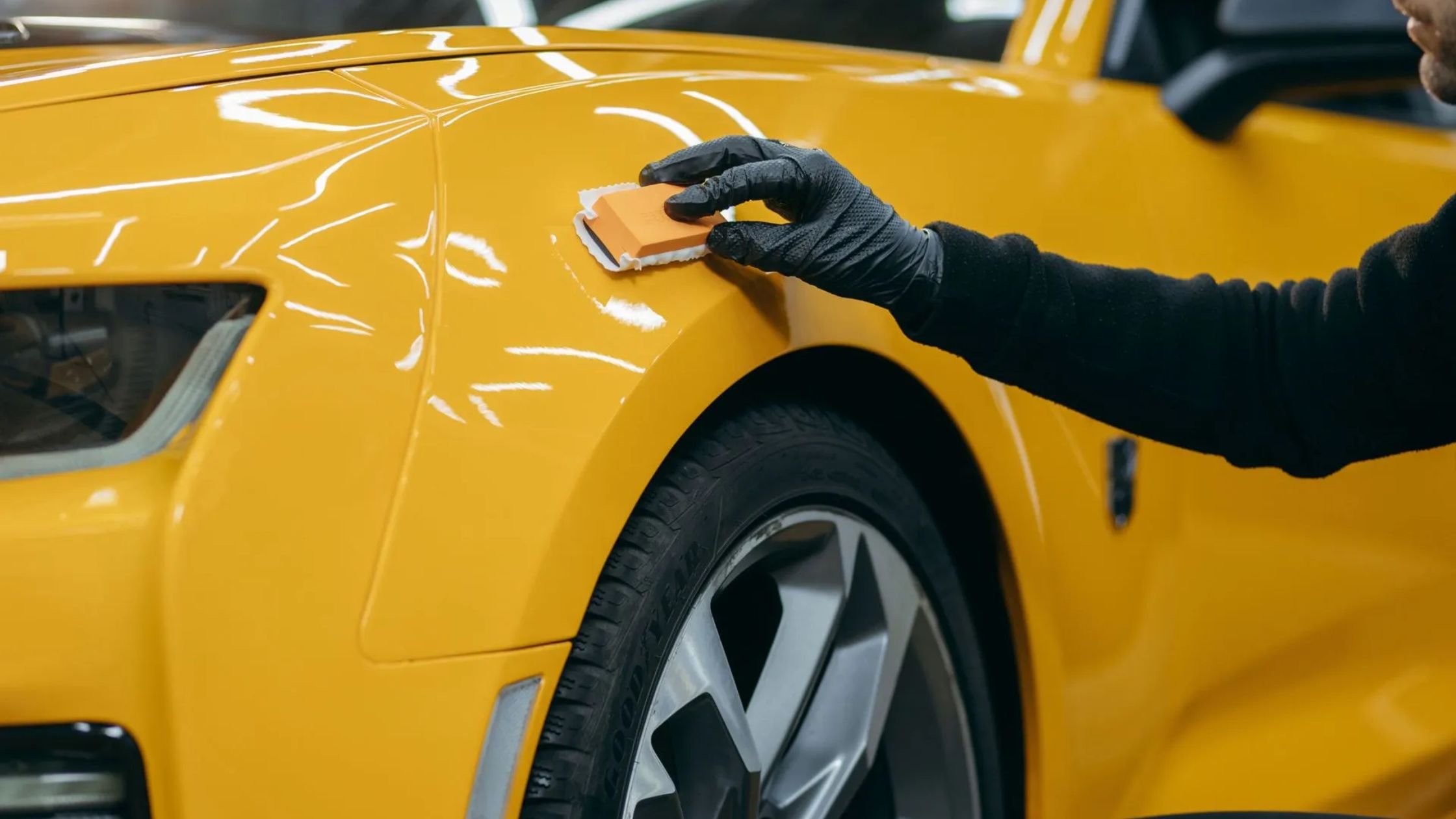
Springfield drivers daily face a massive challenge when trying to keep their vehicles looking clean. Commuting along Glenstone Avenue or taking weekend trips down to Nixa and Ozark exposes cars to aggressive dust, industrial fallout, and volatile Missouri weather. Opting for a professional ceramic coating in Springfield MO is an advanced way to shield your paint from these destructive elements. However, maintaining this highly durable, glass-like protective barrier requires specific washing methods and detailing practices to ensure the hydrophobic nanotechnology continues to perform at its peak for years to come.
How do you wash a car with a ceramic coating?
You must wash a ceramic-coated car by hand using the two-bucket method, a pH-neutral shampoo, and a plush microfiber wash mitt. This process prevents fine scratches and keeps the hydrophobic layer clean. Hand-washing is the absolute safest way to clean your vehicle without degrading the protective nanotechnology.
Why is Regular Maintenance Critical for a Ceramic Coating in Springfield MO?
Caring for a ceramic coating in Springfield MO requires avoiding standard automated wash bays and aggressive scrubbing techniques. The hydrophobic surface of a coated vehicle is highly slick, meaning dirt and environmental debris slide off with very little physical pressure. Using the correct washing process prevents fine scratches and keeps the nanotechnology working as designed.
To wash your vehicle safely, you must utilize the two-bucket method to prevent cross-contamination. This process keeps dirt trapped at the bottom of your rinse bucket rather than transferring it back onto your paint.
- Pre-rinse thoroughly: Spray down the entire vehicle with clean water to remove loose dirt and grit before touching the paint.
- Use the two-bucket method: Fill one bucket with soapy water and another with clean water for rinsing your wash mitt.
- Wash from top to bottom: Start on the roof and work your way down, saving the dirtiest lower sections for last.
- Rinse the wash mitt frequently: Dunk the mitt in the clean water bucket and wring it out before gathering more fresh soapy water.
- Work in the shade: Never wash your vehicle in direct sunlight, as this causes water and soap to dry too quickly, creating mineral spots.
Utilizing Proper Car Washing Techniques
Employing proper car washing techniques is the single most important factor in keeping your coating pristine. Using a high-quality, plush microfiber wash mitt instead of a sponge ensures that remaining dirt particles are safely lifted away from the surface rather than dragged across the clear coat.
Additionally, you must avoid automated car washes with physical brushes at all costs. These aggressive machines act like coarse sandpaper, rapidly degrading the smooth glass layer and inducing severe swirl marks that ruin the vehicle's appearance.
Using a high-pressure hose or a dedicated pressure washer is highly recommended during the pre-rinse phase. The strong stream of water easily removes the majority of surface dust, mud, and road grime from the slick surface, minimizing the amount of hand-wiping required.
What are the best ceramic coating maintenance practices?
The best ceramic coating maintenance practices include washing your car every two weeks, performing chemical decontamination twice a year, and applying a silica booster spray every few months. These steps keep the coating's microscopic pores completely clear of bonded contaminants, ensuring the self-cleaning effect remains active.
Regular ceramic coating maintenance prevents environmental pollutants from building up and masking the intense shine of your paint. It also helps preserve the chemical bond between the coating and your factory clear coat.
- Wash every two weeks: Regular washing prevents road grime from drying and bonding to the surface.
- Perform quarterly chemical decontamination: Use an iron-remover spray to dissolve embedded metallic fallout safely.
- Apply a silica booster: Use a dedicated SiO2 booster spray every few months to reinforce the protective layer.
- Avoid traditional clay bars: Standard claying can mar the delicate ceramic layer and should only be performed by professionals.
Understanding Essential Ceramic Coating Care Tips
Implementing a few basic ceramic coating care tips will greatly extend the lifespan of your exterior protection. One of the most critical steps is to wash your vehicle in a cool, shaded environment whenever possible.
Hot metal panels cause water to evaporate quickly, leaving behind stubborn mineral deposits that can be difficult to remove without polishing. Additionally, always use a dedicated, pH-balanced automotive shampoo that contains no added waxes, gloss enhancers, or silicones.
Another key tip is to use separate wash mitts and buckets for your wheels and your painted panels. Wheels collect highly abrasive metallic brake dust, which can quickly scratch your paint if transferred to your wash mitt.
How does Springfield weather affect your coating maintenance routine?
Southwest Missouri weather varies wildly throughout the year, forcing drivers to adapt their maintenance routines to the seasons. From freezing winter sleet on Interstate 44 to heavy spring pollen from the surrounding Ozark forests, local vehicles are constantly under environmental siege.
During the spring, thick yellow oak and pine pollen covers neighborhoods near Sunshine Street and the Missouri State University campus. This pollen is highly acidic when wet and must be rinsed away promptly to prevent light staining on the protective barrier.
If you ever notice stubborn mineral deposits, tree sap, or heavy pollen beginning to bond to your exterior panels, you can contact us to schedule a professional decontamination wash. Our experienced detailing technicians can safely restore the slick finish without damaging the underlying protective shield.
Winter road treatments represent another major hazard for local drivers. Highway crews treat busy routes like Highway 65 and Kansas Expressway with highly corrosive liquid chemical brines and road salt.
These winter compounds easily cling to lower rocker panels, wheel arches, and doors. If left on the vehicle, they can slowly clog the nanostructure and dull the shine, making a prompt winter rinse highly important.
Protecting Your Coating from Harsh Missouri Summers
Summers in southwest Missouri bring intense ultraviolet radiation and high humidity levels that can stress your vehicle's exterior. Prolonged solar exposure acts as a catalyst for oxidation, which can slowly degrade unprotected clear coats.
A professional ceramic layer provides excellent defense against solar damage, but summer maintenance requires careful timing. Always wash your vehicle early in the morning or late in the evening to prevent soapy water from baking onto the hot panels.
If you drive near Lake Springfield frequently, you will likely deal with heavy bug splatter on your front bumper and side mirrors. Bug splats are highly acidic and should be gently rinsed off within a few days to protect the coating's top layer.
What should you avoid when caring for a ceramic-coated car?
You must avoid automatic car washes with spinning brushes, traditional car waxes, abrasive clay bars, household dish soaps, and drying your vehicle with standard bath towels. These items can scratch, cloud, or chemically degrade the protective glass layer.
Avoiding damaging cleaning habits is just as important as using the correct washing methods. Many common retail car care products and local wash facilities can degrade the covalent bond of your coating over time.
- Do not use dish soap: Household detergents are highly alkaline and will dry out your trim and degrade paint sealants.
- Avoid automatic brush washes: Spinning brushes collect grit from dirty trucks and drag it across your paint.
- Do not apply traditional waxes: Carnauba wax does not bond well to ceramic and actually hides the superior hydrophobic properties of the coating.
- Never dry with a bath towel: Standard cotton towels are too abrasive and will create millions of tiny micro-scratches.
- Avoid washing in direct sunlight: High surface temperatures lead to severe water spotting and chemical streaking.
Proper Chemical Selection for Ceramic Coating Maintenance
Understanding chemical safety is a key component of effective ceramic coating maintenance. Always check the pH level of any detailing chemicals you plan to use on your vehicle's exterior.
While professional coatings are highly chemically resistant, using harsh acids or heavy degreasers on a regular basis can eventually weaken the barrier. Stick to dedicated, neutral formulas designed specifically for nano-ceramic care.
Ensure any quick detailers or drying aids you use are fully compatible with ceramic coatings. Products containing heavy silicone oils or carnauba can leave behind a dull residue that attracts dust.
How do you dry a ceramic-coated vehicle without scratching it?
You should dry a ceramic-coated vehicle using a plush, high-GSM microfiber drying towel or a high-powered leaf blower. Leaf blowers are the safest option because they eliminate physical contact with the paint entirely, preventing wash-induced swirl marks.
Drying is the stage where most swirl marks are accidentally created on automotive paint. Because the coated surface is highly hydrophobic, most water will easily slide off during a final, low-pressure water rinse.
- Use a blotting technique: If using a towel, blot the water up gently instead of dragging the towel across the panels.
- Incorporate a drying aid: A light mist of a dedicated quick detailer or booster spray adds lubrication.
- Dry the glass first: Removing water from the windows first prevents glass cleaners from dripping onto your clean paint.
- Always use clean microfibers: Ensure your drying towels are washed separately with a dedicated microfiber detergent.
The Benefits of Touchless Air Drying
Using a dedicated car dryer or leaf blower is highly recommended for drying your coated vehicle. The high-velocity air stream easily pushes water out of tight crevices, side mirrors, and emblems.
This method completely eliminates the risk of dragging any missed dirt particles across the paint. It also saves a massive amount of time, allowing you to dry the entire vehicle in just a few minutes.
If you must use a microfiber towel, ensure it is a high-quality, borderless design with a weight of at least 400 GSM. These plush towels easily absorb water without putting unnecessary friction on the delicate clear coat.
Do you need to use a ceramic booster spray?
Yes, using a ceramic booster spray every three to six months is highly recommended to maintain the extreme hydrophobic effect and gloss of your paint. These silica-based spray sealants add a temporary sacrificial layer of SiO2 that reinforces the underlying coating.
Using a ceramic booster spray is highly recommended to maintain the self-cleaning properties and deep shine of your paint. These sprayable silica-based products add a temporary sacrificial layer of SiO2 on top of your existing coating.
- Apply every three to six months: This frequency is ideal for maintaining optimal slickness and water-beading.
- Use as a drying aid: Spraying a light mist onto a wet panel before drying adds lubrication and protection simultaneously.
- Do not over-apply: Using too much product can cause streaking and hazy patches on darker paint colors.
- Match your brand: Whenever possible, use a booster spray formulated by the same manufacturer as your ceramic base.
Rejuvenating Your Coating's Hydrophobic Properties
Over time, environmental road film and industrial pollution can clog the microscopic valleys of your ceramic coating. This buildup reduces the surface tension, causing water to pool on flat panels rather than beading up and rolling off.
Applying a high-quality silica booster instantly fills in these clogged areas, restoring the hyper-slick surface. This simple step keeps your vehicle's self-cleaning properties functioning at their absolute best.
Always apply the booster spray in a controlled environment out of direct sunlight. Wipe the product on with one clean microfiber towel and immediately buff the area dry with a second, dry microfiber towel to ensure a streak-free finish.
Comparing Maintenance Methods and Detailing Products
To get the best performance out of your protective shield, it is helpful to understand how different washing and maintenance tools compare. Choosing the right products keeps your vehicle looking pristine while saving you valuable time during weekend washes.
The following table outlines the key differences between various detailing options and how they impact your protective investment.
| Maintenance Category | Traditional Detailing Products | Professional Ceramic Products | Recommended Maintenance Impact |
| Wash Soap | Harsh detergents or gloss waxes | pH-Neutral pure shampoos | Safely cleans without leaving residue |
| Drying Tool | Standard chamois or cotton towels | Microfiber towels or leaf blowers | Eliminates friction and prevents swirl marks |
| Top Protection | Carnauba wax or spray sealants | Silica (SiO2) booster sprays | Rejuvenates gloss and hydrophobic action |
| Decontamination | Aggressive clay bars | Chemical iron removers | Safely dissolves metallic fallout |
| Water Treatment | Hard tap water | Deionized water systems | Eliminates the risk of mineral spot etching |
How often should your vehicle receive a professional inspection?
Your vehicle should receive a professional decontamination wash and inspection once a year to ensure the coating is performing optimally. Detailers use specialized chemical decontamination processes to remove stubborn iron particles and road tar that normal hand washes cannot dissolve.
Even with meticulous hand-washing at home, scheduling an annual professional inspection is highly beneficial. Detailers possess specialized tools to deep-clean the clear coat and remove stubborn contamination that standard washes cannot touch.
During an annual maintenance visit, the vehicle undergoes a multi-step chemical decontamination process to dissolve road tar, sap, and iron particles. This safely restores the original hydrophobic behavior and intense depth of your factory paint.
Furthermore, professionals can inspect the thickness of your clear coat and check the performance of the coating on high-wear areas like the hood and front bumper. If any sections show signs of wear, they can apply a professional-grade topper to restore full protection.
Frequently Asked Questions About Ceramic Coating Care
Can you take a ceramic-coated car through a touchless car wash?
Yes, you can take a ceramic-coated vehicle through a touchless car wash, but hand-washing is always the preferred method. Touchless washes use high-pressure water and strong alkaline soaps to clean the vehicle without physical contact. While this prevents scratching, the harsh chemicals can slowly degrade the coating's hydrophobic properties if used frequently. If you do use a touchless wash, ensure it does not apply a cheap spray wax at the end, as this will coat the ceramic and ruin its water-beading effect.
How long after ceramic coating can you wash your car?
You should wait at least seven to fourteen days before washing your vehicle after a professional ceramic application. The liquid nanotechnology requires several days to completely cure and form its permanent covalent bond with your factory clear coat. Exposing the fresh coating to moisture, water, or soap during this critical curing window can disrupt the bonding process, leading to premature failure of the protective layer.
Do you still need to wax a ceramic-coated vehicle?
No, you should never apply traditional carnauba waxes or polymer sealants over a ceramic-coated vehicle. Traditional waxes will not bond properly to the ultra-slick, non-porous ceramic layer and will easily wash off. Furthermore, placing a layer of standard wax over your coating will mask the superior self-cleaning, hydrophobic properties, actually causing your car to attract more dust and dirt.
How do you safely remove bird droppings from ceramic paint?
To safely remove bird droppings, spray the affected area with a pH-neutral quick detailer or warm water and let it sit for two minutes. This softens the acidic material, allowing you to gently wipe it away with a clean microfiber towel without scrubbing. Because the coating acts as a sacrificial barrier, it prevents the acids from etching into your clear coat, giving you plenty of time to clean the spot safely.
What happens if you do not wash your ceramic-coated car?
If you neglect regular washing, a layer of road film, industrial fallout, and mineral deposits will slowly accumulate on top of the coating. While the coating still protects the underlying paint from damage, this buildup will clog the microscopic pores of the ceramic layer. This causes the water-beading and self-cleaning effects to fail, making the paint look dull until a proper decontamination wash is performed.
Protecting Your Long-Term Investment in the Ozarks
Taking proper care of your vehicle ensures it remains protected against the unpredictable climate of southwest Missouri for years to come. From preventing stubborn spring pollen stains to keeping corrosive highway salts from causing rust, consistent maintenance is the key to locking in your vehicle's beauty and long-term equity. Incorporating proper washing techniques, high-quality microfiber tools, and safe drying methods turns vehicle maintenance into a fast, effortless process that delivers a stunning showroom shine every single week.