

Does Car Window Tinting in Springfield MO Help Reduce Glare While Driving?
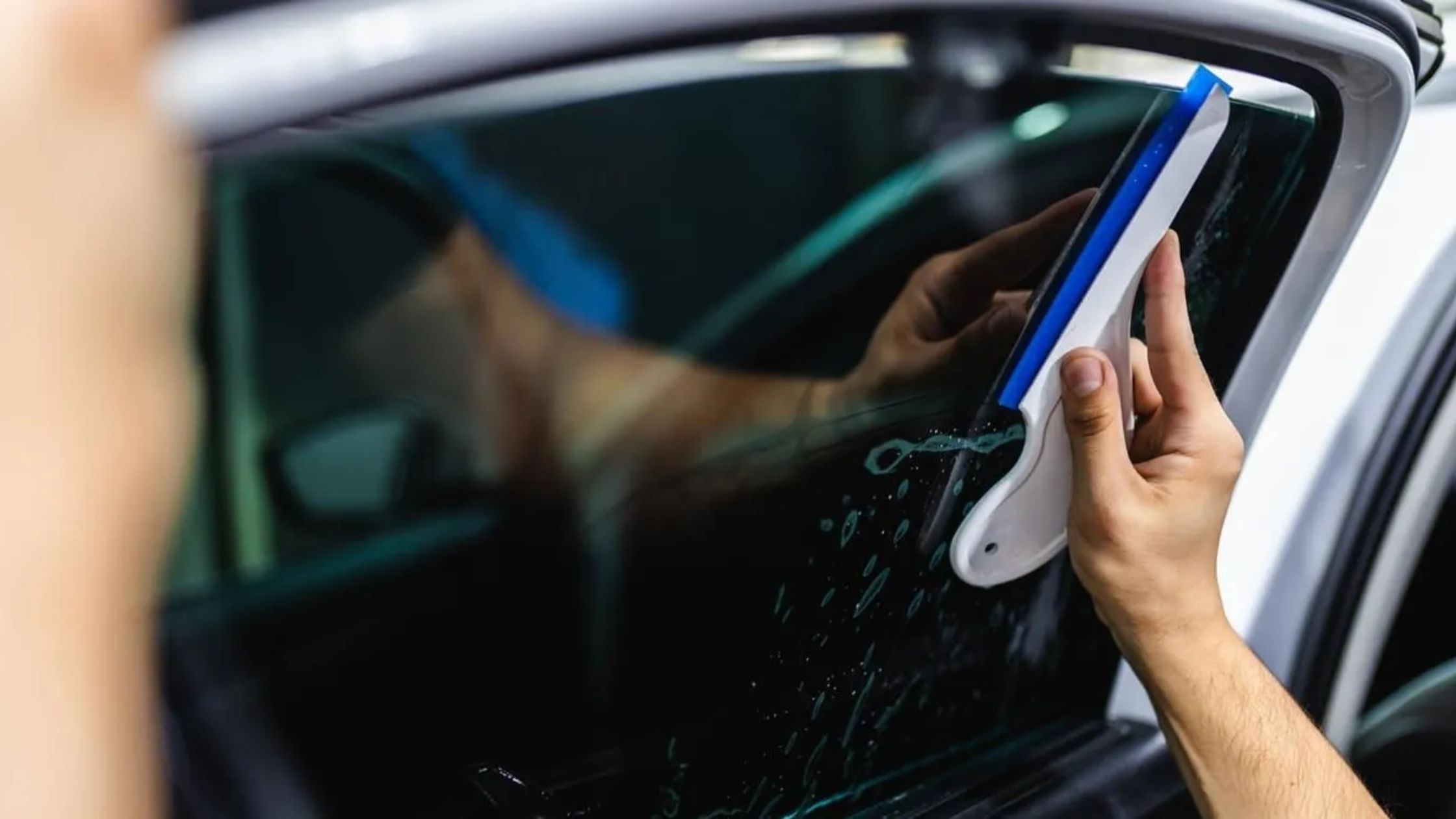
Car window tinting in Springfield MO is one of the most effective ways to reduce sun glare while driving, significantly improving safety and visual comfort for local commuters. Glare occurs when intense sunlight reflects off surfaces like the glass of other vehicles or the asphalt on the James River Freeway, causing temporary blindness or eye strain. High-quality window film acts as a filter that selectively blocks the specific wavelengths of light responsible for this harsh reflection. By installing a professional tint, you can eliminate the need to constantly flip down sun visors or wear heavy sunglasses while navigating busy intersections near the Battlefield Mall or Kansas Expressway.
Can car window tinting in Springfield MO reduce sun glare while driving?
Yes, professional car window tinting in Springfield MO is specifically designed to reduce sun glare while driving by filtering out the intense visible light that causes squinting and discomfort. While standard glass allows nearly all light to pass through, window film uses specialized layers to absorb and reflect the harshest rays. This creates a much more consistent and soothing visual field for the driver, which is especially critical during the "golden hours" of sunrise and sunset when the sun sits low on the horizon.
For many drivers who frequently travel along Glenstone Avenue or Sunshine Street, the sun's position can make traffic signals and pedestrians nearly impossible to see at certain times of the day. A high-quality window tint for glare reduction provides a permanent solution to this problem, ensuring that your vision remains clear even when the sun is directly in your path. This improvement in visibility is not just about comfort; it is a vital safety upgrade that allows for faster reaction times in heavy Ozarks traffic.
If you are tired of struggling with the blinding light during your morning commute, you should schedule automotive services with a professional who can recommend a film darkness that maximizes glare rejection while staying within Missouri's legal limits. By choosing the right product, you can transform your driving experience from a stressful chore into a relaxed and focused journey.
How does window tint for glare reduction work?
Window film reduces glare through a process of light filtration that targets the brightest parts of the solar spectrum. When sunlight hits a tinted window, the film's metallic or ceramic particles absorb a portion of the energy. This prevents the "scatter" of light that traditionally overwhelms the human eye, allowing for a more defined view of the road ahead.
In a city like Springfield, where we experience a wide variety of weather conditions, this filtration is essential. Whether it is the bright summer sun reflecting off a white building downtown or the harsh winter sun bouncing off a rare Missouri snowpack, the film maintains a steady level of light intake. This helps to schedule automotive services that include high-performance films which are specifically engineered for optical clarity and consistency across the entire window surface.
Does window tinting improve driving visibility with tint during the winter?
Many drivers assume glare is only a summer problem, but winter glare in the Ozarks can be even more debilitating. When the sun is lower in the sky during the winter months, the light hits your windshield and side windows at a more direct angle. If there is snow on the ground near Nathanael Greene Park or the Springfield Art Museum, the white surface reflects up to 80% of the UV light back up into your eyes.
A professional window tint helps to improve driving visibility with tint by neutralizing this reflective glare. It reduces the "veiling luminance" that occurs when light bounces off the interior of your car or the road surface, which otherwise makes it difficult to see through the glass. This is particularly helpful when driving on Highway 65, where the wide-open stretches of road offer no shade from the winter sun.
Can window film help with glare from other vehicles at night?
While the primary focus is often on the sun, window tint is also highly effective at reducing glare from oncoming headlights and bright streetlights at night. If you find yourself blinded by the high-intensity discharge (HID) or LED headlights of large trucks on the Chestnut Expressway, a legal window tint can help soften that light.
The film helps to diffuse the "halo" effect often seen around bright lights in the dark. This allows you to maintain better peripheral vision and reduces the time it takes for your eyes to recover after a bright vehicle passes you. When you schedule automotive services for a professional installation, you are gaining a tool that works 24 hours a day to protect your vision and keep you focused on the road.
Is a windshield sun strip legal for glare reduction in Missouri?
Missouri law allows for a non-reflective tint strip to be applied to the top of the windshield, as long as it does not extend below the manufacturer's AS-1 line. This "eyebrow" strip is one of the most effective tools for blocking the direct sun that usually slips through the gap above your rearview mirror.
For drivers who commute from nearby suburbs like Nixa or Republic, this small addition can make a massive difference. It blocks the sun while leaving your primary field of vision clear, which is perfect for those times when the sun is just high enough to be annoying but too low for the sun visor to reach effectively.
Comparing Glare Reduction by Tint Material
| Tint Category | Glare Reduction Percentage | Visibility at Night | Best Local Use Case |
| Basic Dyed Film | 20% - 40% | Moderate | General Privacy |
| Carbon Film | 50% - 70% | Excellent | Daily Commuting |
| Ceramic Film | 80% - 95% | Superior | Maximum Safety & Comfort |
| Crystalline Film | 90% + | Ultimate | Clear View with Max Protection |
How does glare reduction impact driver fatigue?
Driving in high-glare conditions causes the muscles in your eyes to work overtime as you constantly squint and adjust to changing light levels. Over the course of a long drive on the James River Freeway or a trip out to Table Rock Lake, this leads to significant physical fatigue and headaches. By reducing the amount of work your eyes have to do, window tint allows you to stay alert and fresh for longer periods.
This is a major benefit for professional drivers, parents, and students at Missouri State University who may be driving across town multiple times a day. When the environment inside your car is visually stable, your brain can focus more on the mechanics of driving and less on managing the discomfort of bright light.
What is the best VLT for reducing glare without losing visibility?
Visible Light Transmission (VLT) is the percentage of light that passes through your window film. In Missouri, the legal limit for front side windows is 35%. This 35% VLT is often considered the "sweet spot" for glare reduction because it is dark enough to provide significant relief from the sun while remaining light enough to ensure excellent visibility during nighttime or rainy conditions.
For the rear windows, where there is no legal limit in Missouri, many people choose a 20% or 15% VLT. This provides even greater glare protection for passengers in the back seat, which is ideal if you have children or pets who are sensitive to the heat and light of the Missouri sun.
Why is professional installation necessary for glare reduction?
If window film is not applied correctly, it can actually create more glare through distortion or trapped air bubbles. A professional installation ensures that the film is perfectly bonded to the glass, providing a crisp, clear view that is free from optical artifacts. Professional shops in Springfield use high-quality, multi-layer films that are designed to be "color-stable," meaning they won't turn purple or become hazy over time.
Cheap, DIY films often have a "grainy" appearance that can scatter light, which defeats the purpose of trying to reduce glare. By choosing a local expert, you ensure that the product performs as intended and provides the safety benefits you are looking for.
Your Springfield Source for Clearer Driving
Investing in high-quality window film is about more than just the look of your vehicle; it is about creating a safer, more comfortable environment for every mile you drive. By choosing the right window tint for glare reduction, you are taking a proactive step to protect your vision and improve your reaction times on the road. Whether you are navigating the busy shopping districts of South Springfield or enjoying a quiet drive through the historic Rountree neighborhood, the benefits of glare reduction are immediate and lasting.
For the best results and a guaranteed legal installation, Glass Tint USA is the trusted name in the Ozarks. As a local service provider with a 4.9-star rating and over 469 Google reviews as of today, Glass Tint USA has helped thousands of drivers achieve a safer and more comfortable ride. They specialize in high-performance ceramic and carbon films that are specifically designed to tackle the unique challenges of car window tinting in Springfield MO. Trust your vehicle to a team that understands the local landscape and is committed to your driving safety.
FAQs About Driving Visibility and Glare
Does darker tint always mean less glare?
Not necessarily. While a darker tint (lower VLT) does block more light, the quality of the film matters more for glare reduction. A high-quality 35% ceramic film can often reduce the "harshness" of light more effectively than a cheap 5% dyed film, while maintaining much better visibility for the driver.
Can window tint help with the glare from wet roads?
Yes. When the roads are wet after a typical Springfield thunderstorm, the sun's reflection off the water can be blinding. Window film helps to filter this reflected polarized light, making it much easier to see lane markings and other vehicles.
Will glare-reducing tint make it harder to see my dashboard?
No. Quality window films are designed to reduce external glare while maintaining high internal clarity. You will still be able to see your GPS, dashboard, and digital displays clearly, often with less reflection on the screens themselves.
Is there a specific tint that helps with "night blindness"?
While no tint can cure medical night blindness, a light, legal ceramic tint can help reduce the blinding "starburst" effect of oncoming LED headlights, which is a common complaint for drivers at night.
How do I know if my current tint is reducing glare effectively?
If you still find yourself squinting or if your tint looks purple, bubbly, or hazy, it is likely not providing effective glare reduction. Modern films should provide a clear, high-contrast view of the road without distortion.