

Should You Get Paint Correction Before Ceramic Coating in Springfield MO?
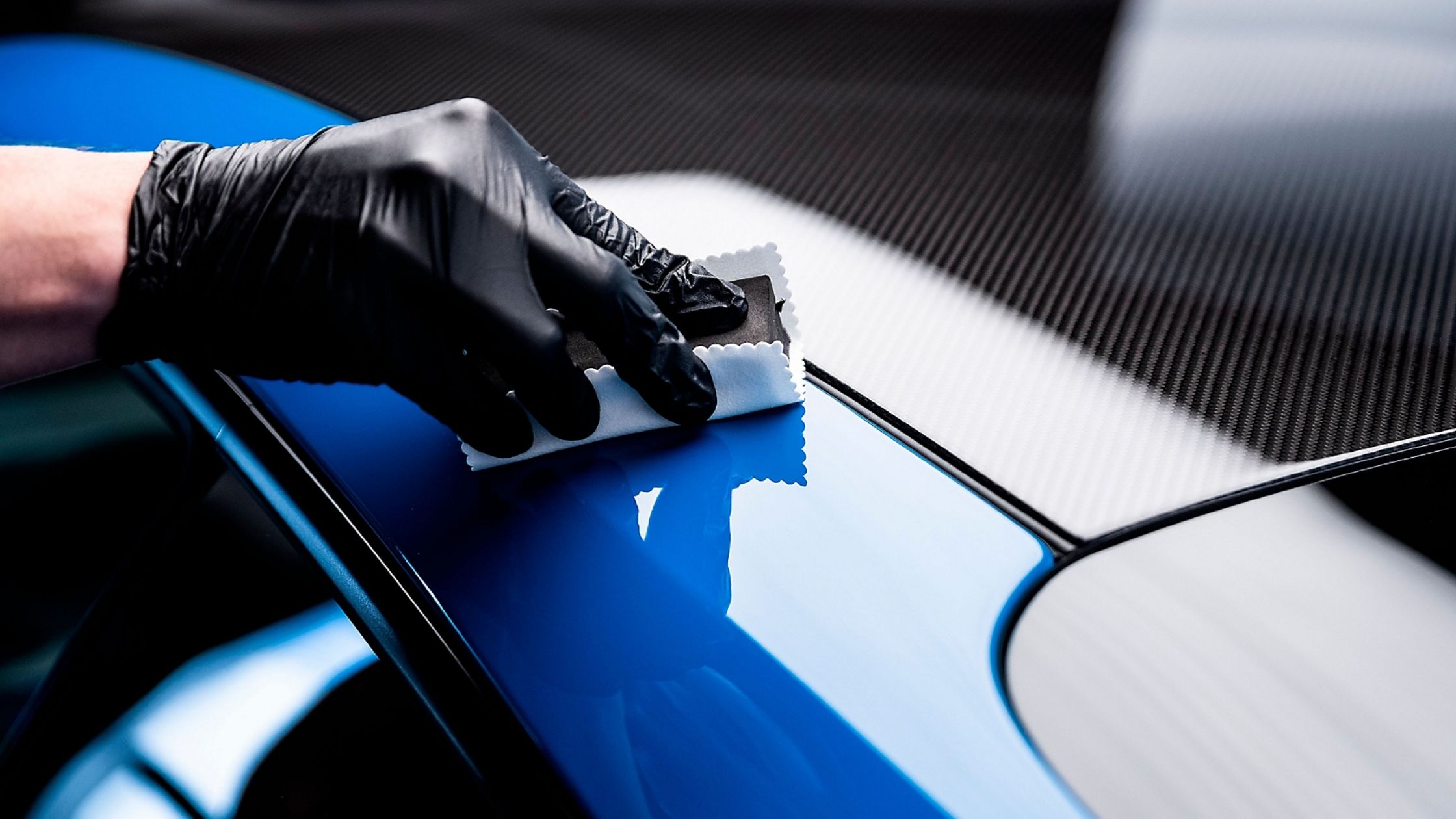
Investing in a premium protective layer for your vehicle is a smart decision, but you must prepare the surface correctly to get the best results. Yes, you should almost always get a professional paint correction before applying a protective layer. If you apply a shield over scratches, swirls, and oxidation, those defects will be locked underneath permanently. When planning for a ceramic coating in Springfield MO, understanding this preparation step is essential to achieving a mirror-like finish that lasts for years.
Many vehicle owners believe that modern clear coats are indestructible. In reality, modern factory paint is incredibly thin, often measuring only as thick as a post-it note. This thin layer of clear coat is highly susceptible to microscopic damage from daily driving. Protecting a compromised surface only highlights its flaws instead of hiding them.
To get the most out of your automotive investment, you should schedule paint restoration to restore your vehicle's gloss before locking it in. Proper surface correction ensures the protective layer can form a permanent chemical bond with your vehicle's clear coat.
Is Paint Correction Necessary Before Ceramic Coating?
Yes, paint correction is highly necessary before applying a ceramic coating because coatings are completely transparent and do not fill in scratches. Think of a ceramic coating as a magnifying glass for your vehicle's paint. It enhances the gloss, depth, and clarity of whatever lies beneath it, which means it will also make swirl marks, scratches, and water spots look more pronounced.
If you choose to skip the paint correction before ceramic coating, you will permanently lock in any existing surface defects. The only way to fix those defects later is to polish off the expensive ceramic layer, correct the paint, and reapply the coating entirely.
Taking the time to prep the paint ensures that you get the beautiful, reflective finish you expect. This crucial step removes microscopic contaminants and levels the clear coat so the coating can perform at its peak.
What is Paint Correction and How Does It Work?
Paint correction is the mechanical process of removing sub-surface paint defects from a vehicle's clear coat. This is achieved using specialized dual-action or rotary polishers, cutting compounds, and fine polishing pads. The process carefully levels the clear coat until it is completely smooth and free of microscopic imperfections.
Depending on the condition of your vehicle's exterior, the correction process can range from a mild enhancement to a multi-stage restoration. It is a highly technical skill that requires patience, precision, and a deep understanding of different paint types.
Stage 1 Paint Correction: Light Polish
A single-stage paint correction uses a finishing polish and a light foam pad to remove minor hazing, light oxidation, and very fine micro-swirls. This step is ideal for newer vehicles that have been well-maintained or cars with very soft clear coats. It quickly restores high levels of gloss and clarity without aggressive cutting.
Stage 2 Paint Correction: Medium Defect Removal
A two-stage paint correction involves an initial heavy compounding step to cut deep into the clear coat and remove moderate scratches, heavy swirl marks, and etching. This is followed by a secondary polishing stage to refine the paint, eliminate any compounding haze, and restore a flawless, high-gloss finish. This is the most common process for daily drivers.
Stage 3 Paint Correction: Multi-Stage Restoration
A three-stage paint correction is reserved for severely neglected vehicles, classic cars, or show cars with deep scratches and heavy oxidation. This process may include wet sanding, heavy compounding, medium polishing, and ultra-fine finishing. It requires a significant amount of time and expertise to execute safely without burning through the clear coat.
Why Ceramic Coating in Springfield MO Requires a Flawless Foundation
The environmental conditions in Southwest Missouri present unique challenges for automotive paint. From the blazing summer sun hitting vehicles parked near the Battlefield Mall to the gravel dust kicked up on rural roads outside Rogersville, your paint is constantly under attack.
A pristine surface is required because the bonding process relies on chemical adhesion at a microscopic level. If your clear coat is covered in road grime, iron deposits, or swirl marks, the coating cannot bond properly.
When you drive down Glenstone Avenue or commute along the James River Freeway, your vehicle is exposed to industrial fallout, road salts, and organic acids. A professionally corrected surface allows the ceramic layer to lay completely flat, creating a durable, hydrophobic barrier that actively repels these local environmental hazards.
What Happens If You Skip Paint Correction?
Ceramic coating in Springfield MO will not hide the imperfections on your vehicle's paintwork. In fact, it will seal them in and make them more visible. If you decide to apply a coating directly over damaged paint, you will face several major issues that ruin both the look and the longevity of your investment.
- Locked-In Swirl Marks: The unsightly circular scratches caused by automatic car washes will be sealed beneath an incredibly hard layer of quartz or silicon dioxide.
- Reduced Durability: The coating will adhere to the dirt and oxidized paint rather than the actual clear coat, causing it to wear off prematurely in patches.
- Muted Gloss: Scratches scatter light in random directions, which diminishes the deep, wet look that a high-quality ceramic coating is supposed to provide.
- Wasted Investment: You will spend hundreds of dollars on a premium product only to have it perform poorly and look sub-par.
Because of these risks, it is highly recommended to book a paint correction consultation so an expert can evaluate your car's clear coat thickness before any application begins.
How Local Springfield Weather Affects Your Vehicle's Clear Coat
The Ozarks region experiences extreme weather swings that transition from freezing winters to humid, scorching summers. When winter storms hit areas like Nixa and Ozark, local road crews spread salt and liquid de-icers across our highways. These corrosive chemicals settle into fine scratches on your clear coat, accelerating rust and paint degradation if they are not properly addressed.
In the summer, parking your car outside near the Route 66 Car Museum or Bass Pro Shops exposing it to intense UV rays. This heat causes your vehicle's clear coat to expand, allowing dirt, tree sap, and acid rain to penetrate deeper into the pores of the paint.
Over time, this cycle of expansion and contraction, combined with environmental contaminants, creates micro-cracking and oxidation. A thorough swirl mark removal in Springfield MO restores the clear coat before the summer heat can cause permanent fading and clear coat failure.
Paint Correction vs. Ceramic Coating Prep Services
It is important to understand that a basic preparation wash is not the same as a paint correction. While both are part of the overall installation process, they serve completely different purposes.
A prep service cleans the surface, while paint correction physically levels and repairs the surface. The table below illustrates the key differences between these two essential preparation steps.
| Preparation Category | Standard Prep Wash & Decontamination | Professional Paint Correction |
| Primary Goal | Removes topical dirt, oils, iron, and tar | Levels the clear coat to remove sub-surface scratches |
| Defect Removal | None (scratches and swirls remain untouched) | Permanently removes 80% to 95% of paint defects |
| Gloss Level | Clean but does not improve underlying clarity | Creates extreme, deep, mirror-like reflective gloss |
| Bonding Quality | Adequate for short-term sealants or waxes | Provides the maximum bond for long-term ceramic coatings |
| Process Steps | Foam wash, clay bar, iron decontaminator, panel wipe | Compounding, polishing, pad switching, paint depth measuring |
Using professional ceramic coating preparation services guarantees that your vehicle undergoes both of these steps. This two-phase approach ensures the surface is both chemically clean and physically flawless before the first drop of ceramic coating is applied.
How to Tell If Your Car Needs Paint Correction
Most vehicles, including those fresh off the dealership lot on Sunshine Street, require some level of paint correction. To determine if your vehicle needs this service, park your car in direct sunlight or shine a bright, single-source LED flashlight directly onto the hood and doors.
Look closely at the reflection of the light source on your paint. If you see a web of fine circular lines radiating outward from the center of the light, your paint is covered in swirl marks.
Here are the most common signs that your vehicle's paint requires professional attention before a coating can be applied:
- Swirl Marks: Fine scratches that look like spiderwebs under direct sunlight or streetlights.
- Water Spots: Etched mineral deposits caused by hard Springfield city water or lawn sprinklers.
- Oxidation: A dull, hazy, or chalky appearance on horizontal surfaces like the hood, roof, and trunk.
- Bird Dropping Etching: Rough, matte spots where acidic bird droppings have eaten into the clear coat.
- Holograms: Cloudy, buffer-trail patterns left behind by inexperienced detailers using improper rotary techniques.
Before you reserve an automotive protection service, make sure a professional measures your paint depth to verify there is enough clear coat left to correct safely.
Can You Do Paint Correction Yourself?
While you can purchase consumer-grade polishers and compounds online, performing a high-quality paint correction at home is extremely risky. Without proper training, you can easily burn through the clear coat, leave ugly buffer trails, or damage sensitive plastic trim pieces.
Professional detailers spend years perfecting their technique, learning how different paint systems react to various pad and chemical combinations. European paints are notoriously hard, while Japanese paints tend to be very soft and temperamental.
Using the wrong pad or pressure on a soft clear coat can quickly cause irreversible damage. Hiring a local specialist saves you time, prevents costly paint repairs, and ensures that the final ceramic coating bonds flawlessly to a perfectly leveled surface.
How Much Does Paint Correction and Ceramic Coating Cost?
The cost of these services depends heavily on the size of your vehicle, the hardness of the paint, and the severity of the existing defects. A brand-new compact car will require far less labor than a heavily swirled black full-size SUV that has spent years driving through automatic car washes.
Typically, a light single-stage enhancement polish combined with a multi-year ceramic coating starts at a few hundred dollars. A multi-stage paint restoration for older or neglected vehicles can run higher due to the dozens of hours of meticulous labor involved.
When evaluating pricing, remember that you are paying for specialized expertise, industrial-grade equipment, and a highly controlled environment. A proper application requires a dust-free, temperature-controlled garage to cure correctly, which is something a standard home driveway cannot provide.
Frequently Asked Questions
How long does ceramic coating last on a car?
A professional-grade ceramic coating can last anywhere from two to nine years, depending on the specific product used and how well the vehicle is maintained. Routine hand washing and seasonal topper applications will help maximize the lifespan of the protective layer.
Does ceramic coating prevent rock chips?
No, ceramic coatings do not protect against rock chips, road debris, or deep key scratches. If you are looking for physical impact protection for your daily drives around Republic or Battlefield, you should look into paint protection film (PPF) instead.
How long does the paint correction process take?
A proper paint correction typically takes between one to three days to complete. This timeline allows for thorough washing, chemical decontamination, multi-stage polishing, panel wiping, and the careful application and curing of the ceramic coating.
Can you apply ceramic coating over a scratched surface?
Yes, you can physically apply a coating over scratches, but it is highly discouraged. Doing so will permanently trap the scratches beneath the semi-permanent ceramic layer, making them look even more obvious while reducing the durability of the coating.
How should I maintain my ceramic coated vehicle in the Ozarks?
You should wash your vehicle every two weeks using a pH-neutral shampoo, the two-bucket hand wash method, and clean microfiber mitts. Avoid automatic touch car washes entirely, as their harsh nylon brushes will scratch and degrade your coating.
Conclusion
Protecting your vehicle's exterior is one of the best ways to preserve its value and keep it looking showroom-fresh for years. However, skipping the preparation phase is a critical mistake that will compromise the appearance and performance of your protective layer. To ensure your vehicle looks its absolute best, getting a professional paint correction is a non-negotiable step that guarantees a flawless, long-lasting bond.
When choosing a ceramic coating in Springfield MO, you need a local specialist who understands the unique environmental challenges of the Ozarks. At Glass Tint USA, we specialize in advanced surface preparation and paint restoration techniques that bring out the deepest possible gloss in your vehicle's paintwork.
If you are ready to give your vehicle the ultimate defense against the elements, you can contact us to book your appointment. Our team at Glass Tint USA is proud to have a 5-star rating with over 420 Google reviews as of today, representing our dedication to superior craft and local customer service.