

Is Car Window Tinting Legal in Springfield MO and What Rules Should Drivers Follow?
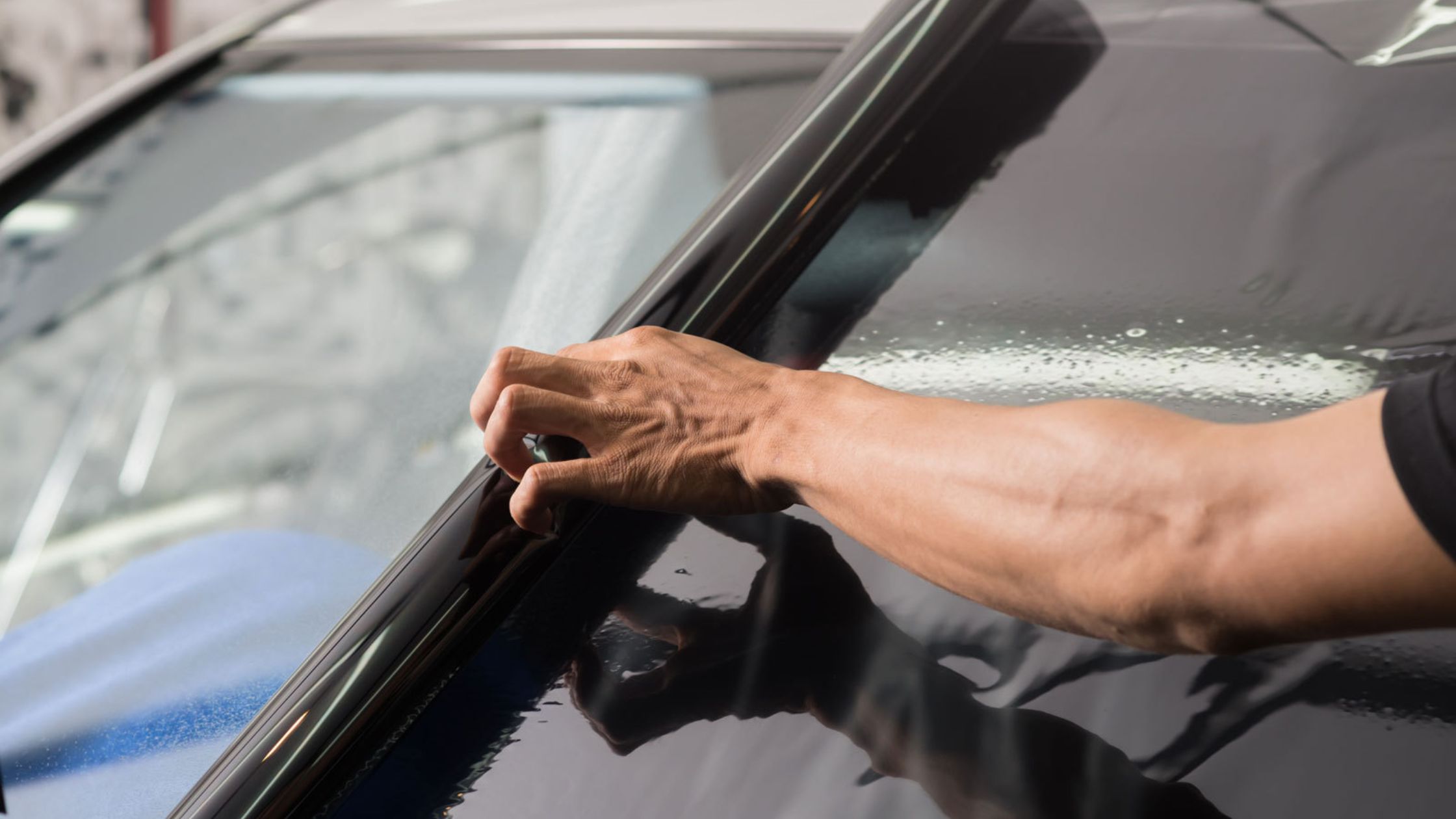
Navigating the rules for car window tinting in Springfield MO is essential for any driver looking to enhance their vehicle’s privacy and heat rejection without risking a ticket. In Missouri, automotive window tinting is legal, but it is strictly regulated to ensure driver visibility and law enforcement safety. For drivers cruising down Sunshine Street or commuting near Missouri State University, the primary rule is that front side windows must allow more than 35% of light to pass through. Understanding these specific percentages and how they are measured will help you stay compliant with state statutes while enjoying the benefits of a cooler, more comfortable ride.
What is the legal tint percentage in Springfield MO?
The legal limit for window tinting on the front side windows of vehicles in Missouri is 35% Visible Light Transmission (VLT). This means the film and the glass combined must allow at least 35% of the outside light into the cabin. While the front windows are restricted, Missouri law is significantly more lenient regarding the back half of the vehicle. For rear side windows and the back windshield, you are permitted to use any darkness of tint you prefer, including "limo tint" that blocks nearly all visibility into the vehicle.
Maintaining a legal limit on your front windows is a priority for local law enforcement, especially when driving through busy areas like the Downtown Springfield CID or near the Battlefield Mall. Officers often carry tint meters to check VLT levels during routine stops. If your windows are found to be darker than the 35% threshold without a valid medical exemption, you may be subject to a fine or a requirement to remove the film.
When considering car window tinting in Springfield MO, it is important to choose a shade that balances your desire for privacy with the necessity of following state law. High-quality films are designed to provide excellent heat and UV protection even at the legal 35% limit, so you don't have to break the law to stay cool.
Is 20% tint legal in Missouri?
No, 20% tint is not legal on the front side windows of a vehicle in Missouri, as it falls well below the 35% VLT requirement. However, 20% tint is perfectly legal to use on any window behind the driver, including the rear passenger doors and the back glass. Many drivers in neighborhoods like Rountree or Oak Knolls choose a "split" look, where the front windows are kept at the legal 35% while the back windows are darkened to 20% or 5% for maximum heat rejection and privacy for rear passengers.
If you are looking for professional installation that ensures your vehicle remains within Missouri car tint regulations, you should schedule automotive services with a technician who understands how to meter the glass before and after application. This prevents the common mistake of applying 35% film to factory-tinted glass, which can result in a combined VLT that is actually illegal.
What are the Missouri car tint regulations for windshields?
Missouri law prohibits the application of any tint to the entire windshield, regardless of how light the film is. The only exception is the "eyebrow" or sun strip allowed at the very top of the glass. This strip must be non-reflective and cannot extend below the manufacturer's AS-1 line. This line is typically marked by a small set of letters or a line on the edges of the windshield glass.
For drivers who frequently travel along Glenstone Avenue or the James River Freeway, these sun strips are incredibly helpful for blocking the glare of the setting sun without obstructing the driver's view of traffic signals. It is a functional addition that provides immediate relief from eye strain during peak driving hours in the Ozarks.
Are there medical exemptions for darker tints?
Yes, Missouri does provide a pathway for drivers with specific medical conditions to use darker tint on their front windows. If you suffer from a condition that causes extreme light sensitivity, such as lupus or certain skin cancers, you can apply for a permit through the Missouri State Highway Patrol.
To obtain this exemption, you will typically need:
- A written prescription or statement from a licensed physician.
- An application submitted to the state for an official permit.
- The permit kept in the vehicle at all times to show law enforcement if stopped.
Even with a medical exemption, there are still safety standards to follow. To ensure your vehicle is handled correctly, you can schedule automotive services with professionals who have experience working with permitted medical-grade films.
Why is car window tinting in Springfield MO so popular?
The local climate in Southwest Missouri plays a huge role in why so many residents opt for professional window film. During the humid summer months, interior car temperatures can easily exceed 140 degrees Fahrenheit when parked near the Springfield Art Museum or at the Wonders of Wildlife National Museum and Aquarium.
Beyond just aesthetics, there are several practical reasons to invest in car window tinting in Springfield MO:
- Heat Reduction: Modern ceramic films can block over 60% of total solar energy.
- UV Protection: Quality tint blocks 99% of harmful UV rays, protecting your skin and preventing your dashboard from cracking.
- Safety: In the event of an accident, window film helps hold shattered glass together, preventing shards from flying into the cabin.
- Glare Reduction: Tint significantly cuts down on the blinding glare from the sun and the headlights of oncoming traffic on Highway 65.
How do window tint laws in Missouri handle reflectivity?
In addition to darkness (VLT), Missouri law also regulates how reflective or "shiny" your window tint can be. For both front and back windows, the law states that the film cannot be more than 35% reflective. This rule exists to prevent other drivers from being blinded by sunlight reflecting off your windows, which can be particularly dangerous on high-speed roads like Chestnut Expressway.
Most standard carbon and ceramic films are naturally non-reflective or have very low reflectivity. However, "mirror" tints or films with high metallic content often exceed these limits. When selecting your film, it is best to stick with charcoal or black shades that provide a sleek look without the safety risks associated with high reflectivity.
Comparing Tint Shades and Legality
| Window Location | Missouri Legal Requirement | Common Tint Choice |
| Windshield | Above AS-1 Line Only | Non-reflective Sun Strip |
| Front Side Windows | More than 35% VLT | 35% or 40% Film |
| Rear Side Windows | Any Darkness | 20% or 5% (Limo) |
| Rear Windshield | Any Darkness | 20% or 5% (Limo) |
Common Questions About Car Window Tinting in Springfield MO
Can I get a ticket for a tint that is only 5% off?
Yes. Missouri law is precise, and while there is a small margin of error (usually around 3%) for meter calibration, a window that measures 30% when it should be 35% is technically illegal. Law enforcement in Greene County is generally fair, but they prioritize safety and visibility. It is always better to aim for exactly 35% or higher to avoid any legal headaches.
Does window tinting affect my night vision?
If you stay within the legal 35% limit on your front windows, the impact on your night vision is minimal. High-quality films are designed with "optical clarity" in mind, meaning they don't distort your view. However, applying very dark tint (like 5%) to your front windows would significantly impair your ability to see pedestrians or obstacles when driving through dimly lit residential areas like Fassnight or Midtown.
How long does the installation process take?
A professional installation for a full vehicle typically takes between two to four hours. This ensures the glass is properly cleaned and the film is heat-shrunk to the curvature of your windows. If you want to ensure your car is ready for the weekend, you should schedule automotive services in advance, especially during the busy spring and summer seasons.
Will tinting my windows void my car's warranty?
No, tinting your windows will not void your overall vehicle warranty. The Magnuson-Moss Warranty Act protects consumers by preventing manufacturers from voiding a warranty simply because an aftermarket part was added. However, the tint itself should come with its own manufacturer's warranty against bubbling, peeling, or fading.
What is the difference between Ceramic and Carbon tint?
Carbon tint is a step up from basic dyed films, offering better heat rejection and a matte finish. Ceramic tint is the top-tier option; it contains non-conductive ceramic particles that block massive amounts of heat and infrared radiation without interfering with your cell phone or GPS signals, a common issue with older metallic films.
Your Roadmap to Safe and Legal Window Film
Understanding the specifics of car window tinting in Springfield MO ensures that you can customize your vehicle with confidence. By adhering to the 35% VLT rule for your front windows and being mindful of the AS-1 line on your windshield, you can enjoy a cooler interior and enhanced privacy without the worry of legal repercussions. Whether you are driving through the historic streets of Walnut Street or heading out toward the Branson area, professional window film is one of the best investments you can make for your vehicle's longevity and your own comfort.
For residents looking for the highest standard of installation and legal compliance, Glass Tint USA is the premier choice in the region. As a trusted local service provider with a 4.9-star rating and 469 Google reviews as of today, they specialize in precision-cut films that meet Missouri's strict regulations while providing maximum protection against the Midwest sun. Trusting a local expert like Glass Tint USA ensures your tint looks great, stays legal, and lasts for years to come.
FAQs About Missouri Tint Laws
What happens if I am caught with illegal tint in Springfield?
Typically, an officer will issue a "fix-it" ticket or a citation. You will likely be required to remove the illegal film and show proof of compliance to the court or a law enforcement agency to have the fine reduced or dismissed.
Is it legal to tint the taillights or headlights in Missouri?
Missouri law requires that headlights and taillights remain visible from specific distances (usually 500 feet). While some "smoking" of lights is popular, any modification that significantly reduces the light output or changes the color of the lamps is generally illegal and can lead to a failed safety inspection.
Can I tint my own car windows?
While DIY kits are available at many auto parts stores in Springfield, they are notoriously difficult to install without trapping dust, hair, or air bubbles. Professional shops use controlled environments and specialized tools to ensure a seamless, "factory" look that won't peel over time.
Does window tint help with air conditioning efficiency?
Absolutely. By blocking a significant portion of solar heat, your car's AC system doesn't have to work as hard to maintain a cool temperature. This can even lead to a slight improvement in fuel economy or EV battery range during the hot summer months in the Ozarks.
Is dual-reflective tint legal for cars?
Dual-reflective films are primarily used for residential and commercial buildings. For automotive use, the reflectivity must stay below 35%. Most dual-reflective films are designed to be much higher than this and would likely be illegal for use on a vehicle in Missouri.