

What Maintenance Is Required for Auto Paint Protection Film in Springfield, MO?
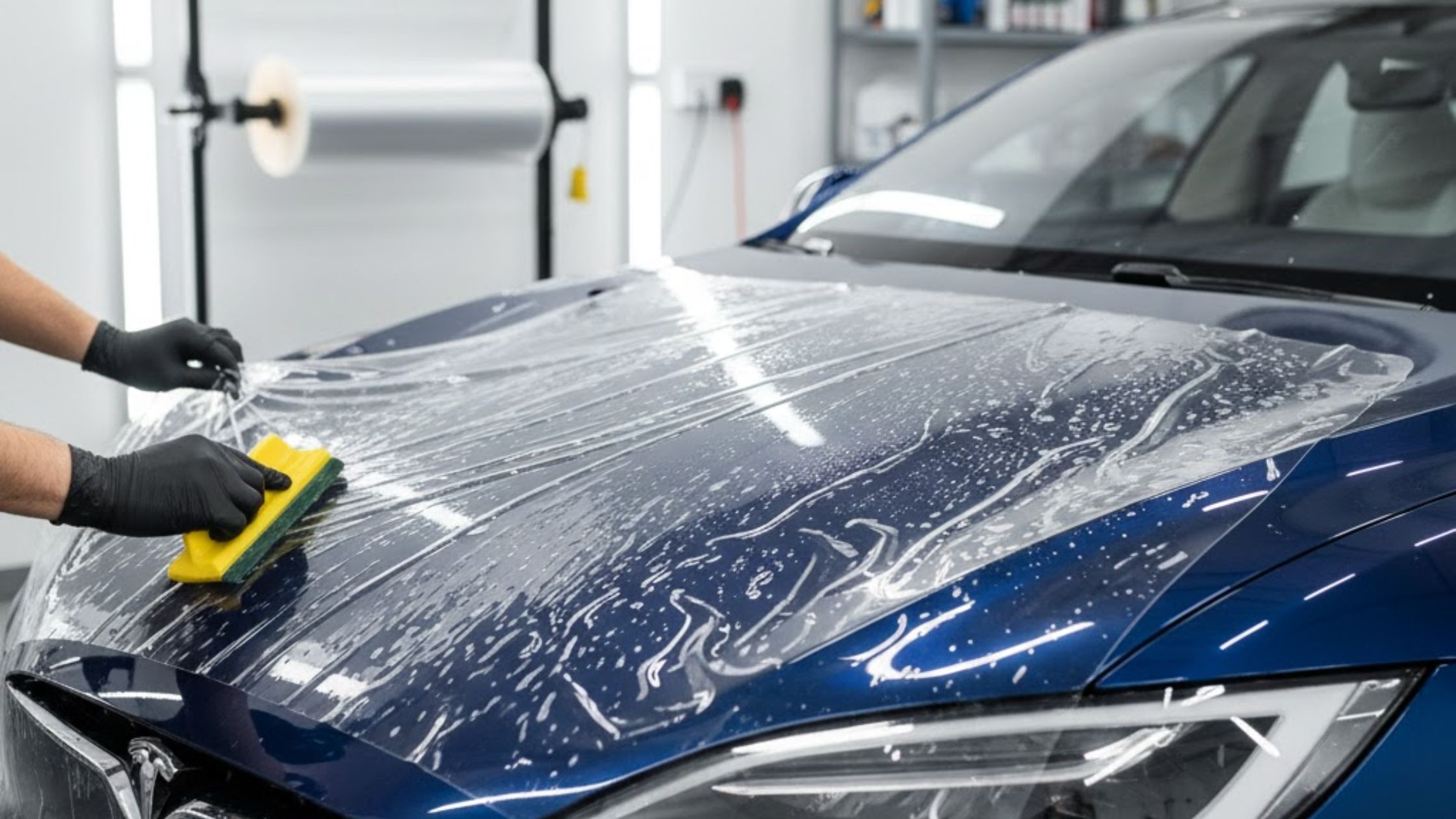
Investing in your vehicle's exterior is only half the battle; the long-term performance of that investment depends entirely on how you care for it. Whether you are navigating the high-traffic lanes of Glenstone Avenue or parking under the historic oaks of the Rountree neighborhood, your car’s finish faces a constant barrage of environmental threats. Paint protection film Springfield MO provides the ultimate defense against rock chips and road debris, but to ensure it reaches its full 10-year lifespan, you must follow a specific maintenance routine tailored to the unique climate of the Ozarks.
How do you maintain paint protection film?
Maintaining paint protection film (PPF) is remarkably straightforward, but it requires a departure from traditional car care habits. The most critical rule is to avoid abrasive cleaning methods that could mar the self-healing top coat. To keep the film in peak condition, you should hand wash your vehicle every one to two weeks using a pH-neutral automotive shampoo and the "two-bucket" wash method. This prevents cross-contamination and ensures that grit from the James River Freeway doesn't get ground into the film's surface during the cleaning process.
In Springfield, the extreme temperature shifts between freezing winters and humid summers can stress the film's adhesive if not cared for correctly. Regular washing prevents industrial fallout and limestone dust from bonding to the urethane, which is especially important if you frequently commute near the heavy construction zones of the West Bypass. By keeping the surface clean, you allow the film’s self-healing properties to function at their best, as the material needs a clear, unobstructed surface to realign its chemical structure when exposed to heat.
What are the most important paint protection film maintenance tips?
Implementing a few professional paint protection film maintenance tips can significantly enhance the clarity and durability of your installation. First and foremost, you must wait at least seven days after a new installation before your first wash to allow the adhesive to fully cure and bond to the paint. This prevents the edges from lifting, particularly in high-tension areas like the front bumper or the mirrors of vehicles parked near the Battlefield Mall district.
Another essential tip is to avoid high-pressure water near the edges of the film. While pressure washers are excellent for removing road salt during a Missouri winter, keeping the nozzle at least 12 to 18 inches away from the film's seams is vital. If water is forced under an edge, it can cause the film to bubble or peel, compromising the entire panel. For those who want to ensure their vehicle receives the highest level of professional oversight during its life cycle, you should contact a certified technician for a seasonal inspection and top-up of the film's hydrophobic sealants.
How to care for PPF Springfield drivers who can follow year-round?
Learning how to care for PPF Springfield residents can easily integrate into their routine involves adapting to the local seasons. During the spring, the "bug line" on I-44 and the heavy pollen counts in the Midtown area can lead to acidic etching if contaminants are left to sit. Carrying a dedicated quick-detailer spray and a plush microfiber towel in your trunk allows you to spot-clean bird droppings or tree sap immediately before they have a chance to bond with the top coat in the afternoon sun.
Winter maintenance is equally important for longevity. The road brine and salt used to clear the Chestnut Expressway are chemically aggressive and can eventually dull the finish of an unprotected film. A bi-weekly rinse—even just with warm water—can remove these corrosive residues and prevent them from sneaking under the film's edges. By being proactive with your cleaning, you ensure that the film remains optically clear and continues to provide a "new car" look for years to come.
What are the best practices for cleaning protected car paint?
When it comes to cleaning protected car paint, the tools you use are just as important as the technique. You should always use a dedicated microfiber wash mitt rather than a standard sponge or brush, as microfiber is designed to lift dirt away from the surface rather than dragging it across the film. For drying, a large, plush microfiber towel or a dedicated leaf blower is the safest way to remove water without creating friction-based swirl marks.
Avoid using automatic car washes that utilize spinning brushes at all costs. These brushes are often laden with dirt from previous vehicles and can act like sandpaper on your film, potentially creating deep scratches that exceed the film's self-healing depth. Instead, look for touchless car washes if you cannot hand wash, or better yet, visit a professional detailer in the South Campbell Avenue area who specializes in PPF-safe cleaning techniques. Maintaining the slickness of the surface will also make future washes much easier, as dirt will struggle to find a foothold on the film's hydrophobic top coat.
Can you wax or polish paint protection film?
While you can technically wax your film, you must ensure the product does not contain petroleum distillates like naphtha or kerosene, which are common in many "cleaner waxes." These chemicals can degrade the urethane over time and cause the film to yellow or lose its elasticity. Instead, the modern standard is to use a ceramic-based sealant or a dedicated PPF spray wax that is designed to bond specifically with the film’s top coat.
Polishing is generally unnecessary and often discouraged because the film is already self-healing. If you have a deep scratch that won't go away with heat, a very light, non-abrasive finishing polish can be used by a professional, but aggressive buffing will strip the protective top coat and ruin the film’s performance. To keep your finish looking deep and glossy without risking damage, it is always a good idea to contact your original installer for recommendations on compatible maintenance products for your specific brand of film.
PPF Maintenance & Care Comparison
| Maintenance Task | Frequency | Purpose | Recommended Tool |
| Hand Wash | Every 1-2 Weeks | Remove road grime and salt | pH-neutral soap & Microfiber mitt |
| Spot Cleaning | Immediately | Prevent acidic etching (bugs/sap) | Quick detailer & Microfiber cloth |
| Edge Inspection | Every 6 Months | Check for lifting or dirt buildup | Visual check by professional |
| Sealant Application | Every 3-6 Months | Boost hydrophobicity and UV shield | Ceramic spray or PPF sealant |
| Professional Inspection | Annually | Ensure warranty compliance | Certified PPF Installer |
Maintaining the Self-Healing Property of Your Film
One of the most impressive features of premium film is its ability to heal itself, but this property requires heat to activate. If you notice fine swirl marks after a drive through the historic districts near Walnut Street, simply parking your car in the direct Springfield sun for a few hours will often cause the scratches to disappear. For more stubborn marks, pouring warm (not boiling) water over the area can accelerate the process and restore the mirror-like finish instantly.
It is important to remember that self-healing has its limits. If a piece of debris on the West Bypass is sharp enough to cut through the top coat into the middle layer of the film, the scratch will be permanent. However, even in these cases, the film has successfully protected your paint from a chip that would have required a body shop visit. This sacrificial nature is what makes PPF the smartest investment for anyone driving on Missouri's unpredictable roads.
Frequently Asked Questions (FAQs)
Can I use a pressure washer on my paint protection film?
Yes, but with caution. You should keep the nozzle at least 12 inches away from the surface and avoid aiming the stream directly at the edges or seams. Using a wide fan tip rather than a narrow jet is also safer for the film's integrity, especially around high-impact areas like the front grille.
What should I do if the film starts to lift at the edges?
If you notice an edge starting to lift near a fender or door handle, do not try to trim it yourself. Small lifts can often be resealed by a professional using a specialized adhesive or a heat gun. Ignoring a lifted edge can allow dirt to collect underneath, eventually requiring the replacement of the entire panel of film.
Is it safe to park my car outside in Springfield?
While PPF is designed to protect against UV rays and environmental fallout, parking in a garage or under a covered structure near neighborhoods like Southern Hills will always extend the life of any automotive product. If you must park outside, frequent washing is even more critical to prevent the buildup of contaminants that the sun can "bake" into the film.
Can I apply a ceramic coating over my PPF?
Absolutely. In fact, many Springfield owners choose to have a ceramic coating applied on top of their film. This "stacked" protection makes the film even more hydrophobic and easier to clean, while also providing an extra layer of UV protection that can help the film last well beyond its 10-year warranty.
How do I remove stubborn stains like bird droppings?
The best approach is to soak the area with a wet, warm microfiber cloth for a few minutes to soften the contaminant. Once loosened, gently wipe it away. For persistent stains, use a dedicated PPF cleaner. Avoid scrubbing harshly, as this can mar the film and potentially damage the clear coat underneath if the stain has already etched through.
Conclusion
The longevity of your vehicle's appearance in the Ozarks is directly tied to the consistency of your maintenance routine. From the salt-laden roads of winter to the intense UV exposure of summer, your car faces a gauntlet of threats every time you leave your driveway. By choosing paint protection film Springfield MO and following these specialized care steps, you are ensuring that your vehicle remains in showroom condition for a full decade, preserving both its beauty and its maximum resale value.
For drivers who want the peace of mind that comes with expert care and high-performance products, Glass Tint USA is the premier choice for automotive protection in Southwest Missouri. As a trusted local service provider, they don't just install film; they partner with you to ensure your investment stays flawless. Their team of certified professionals understands the specific challenges of Springfield driving and provides the ongoing support and high-quality maintenance advice needed to keep your vehicle protected for the long haul.