

What Is the Lifespan of Paint Protection Film for Cars in Springfield, MO?
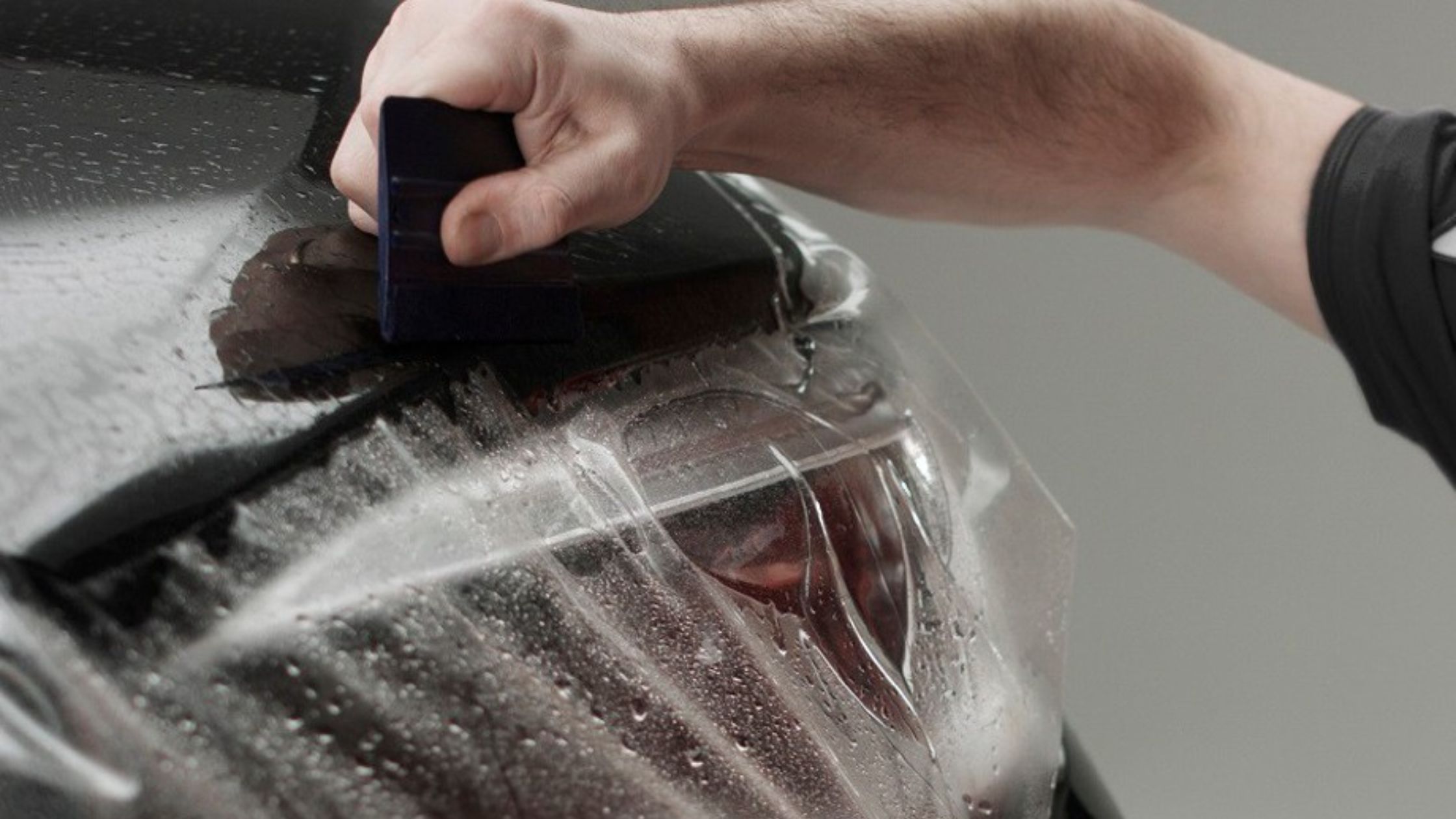
Deciding to invest in your vehicle's exterior often leads to one critical question: how long will that investment actually last? For drivers in the Ozarks, the answer depends on everything from the humidity of a Missouri summer to the road salt used on the James River Freeway. Paint protection film Springfield MO typically offers a high-performance lifespan of 7 to 10 years, serving as a durable, self-healing shield that preserves your factory paint against the daily hazards found between the Chestnut Expressway and the high-traffic corridors of South Campbell Avenue.
How long does paint protection film last on a car?
When professionally installed and maintained, premium paint protection film generally lasts between 7 and 10 years before requiring replacement. This duration is backed by manufacturer warranties that guarantee the film will not yellow, crack, or bubble under normal conditions. In Springfield, the actual longevity of your film is influenced by how often your vehicle is exposed to the elements versus being kept in a garage near neighborhoods like Southern Hills or Oak Grove.
The multi-layer construction of modern films is designed to weather the extreme temperature swings common in Southwest Missouri. While the adhesive is engineered for long-term bonding, the top coat is built for flexibility. Over a decade of use, the film continues to absorb impacts from road debris, though its self-healing capabilities may slightly diminish toward the end of its life cycle as the TPU (thermoplastic polyurethane) naturally ages. This longevity is why many local car enthusiasts choose this method over traditional coatings.
Does paint protection film in Springfield MO maintain its durability over time?
The long-term performance of paint protection film in Springfield MO is remarkably consistent thanks to advanced UV inhibitors embedded within the urethane layers. Unlike older generations of "clear bras" that would turn brittle after a few years of exposure near Hammons Field, modern films are designed to remain optically clear and flexible. This persistent durability ensures that the film continues to dissipate the energy of rock strikes even after several years of service.
The primary factor in maintaining this durability is the quality of the initial bond. In our local climate, where humidity can fluctuate wildly, a precision installation is required to prevent edge lifting. When the film is properly tucked and sealed, it creates a moisture-impermeable barrier that prevents oxidation and corrosion from taking hold. If you notice any signs of premature wear, it is important to consult with a specialist to assess the integrity of the application.
What is the typical PPF durability and warranty Springfield drivers can expect?
Most top-tier manufacturers offer a comprehensive PPF durability and warranty that Springfield residents can rely on for a full decade. These warranties usually cover specific defects such as delamination, staining from environmental fallout, and yellowing caused by UV degradation. This long-term coverage provides peace of mind for owners of luxury vehicles or daily commuters who frequently travel through construction zones near the Battlefield Mall or the West Bypass.
It is important to understand that these warranties are often tied to professional installation. Because the environment in the Ozarks can be tough on adhesives, manufacturers require certified technicians to perform the application to ensure the product meets its intended lifespan. This professional oversight ensures that the film adheres correctly to every curve and contour of the vehicle body. To learn more about the specific warranty terms available for your vehicle, you should contact a local certified installer for a detailed walkthrough.
How does the environment affect how long paint protection film lasts?
The specific environmental factors in the Springfield area play a significant role in determining how long paint protection film lasts on your vehicle. Our region experiences high UV indices in the summer, which is the primary catalyst for film aging. Additionally, the industrial fallout and agricultural dust common in Greene County can settle on the film, requiring regular maintenance to prevent staining.
Winter brings another set of challenges, as the brine and salt used to clear local bridges and interchanges can be highly abrasive. While the film is chemically resistant, prolonged exposure to these salts can eventually wear down the hydrophobic top coat. Owners who park their cars in covered structures near the downtown business district or in residential garages often see their film reach the upper end of the 10-year lifespan due to reduced exposure to these harsh variables.
What are the common signs of film wear resistance auto owners should watch for?
As the material nears the end of its functional life, you may notice a decrease in film wear resistance auto experts identify as "weathering." This typically manifests as a loss of gloss or a slight "orange peel" texture becoming more prominent. You might also notice that the film no longer "heals" as quickly when exposed to the sun or that water no longer beads off the surface as effectively as it did during the first few years.
In some cases, the edges around high-impact areas like the front bumper or wheel arches may begin to collect dust if the adhesive starts to weaken. This is usually a sign that the film has done its job of absorbing years of road grit and is ready for a professional refresh. Regular inspections can help determine if the protection is still adequate for the high-speed conditions on I-44.
PPF Lifespan and Protection Comparison
| Feature | Premium PPF | Mid-Grade PPF | Ceramic Coating |
| Expected Lifespan | 10 to 12 Years | 5 to 7 Years | 2 to 5 Years |
| Warranty Coverage | 10 Years | 5 Years | 2 to 4 Years |
| Rock Chip Resistance | Excellent | Good | Minimal |
| UV Protection Level | Maximum | High | High |
| Maintenance Difficulty | Low | Moderate | Moderate |
How to maximize the lifespan of your film in the Ozarks
Extending the life of your paint protection film in Springfield is largely a matter of proper washing techniques and environmental awareness. Avoiding automatic car washes with abrasive brushes is the single most important step you can take. These brushes can catch the edges of the film or create deep scratches that exceed the film's self-healing depth. Instead, hand washing with pH-neutral soaps is recommended to keep the urethane supple.
Additionally, applying a dedicated PPF sealant or a ceramic top coat can significantly enhance the film's resistance to local contaminants like tree sap from oak trees in the Rountree area or bird droppings. These sacrificial layers take the brunt of the chemical attack, allowing the underlying film to focus on impact protection. By keeping the surface slick, you reduce the friction of wind and debris, effectively slowing down the physical aging process of the film.
Professional Maintenance Tips
Maintaining the high-gloss look of your vehicle requires a few specific steps to ensure the film remains transparent. One helpful tip is to avoid washing the car in direct sunlight, which can cause mineral spots from hard water to bake into the top coat. Using a dedicated drying towel made of high-grade microfiber will also prevent any unnecessary friction on the film surface.
Furthermore, it is wise to address any heavy contamination immediately. If your car is covered in bug splatter after a trip out to Table Rock Lake, do not let it sit for weeks. While the film is designed to resist staining, the high temperatures in Missouri can accelerate the etching process of organic matter. A quick rinse or the use of a specialized bug remover designed for film will keep the surface pristine.
Why Quality Matters for Longevity
Not all films are created equal, and the manufacturing process heavily dictates the eventual lifespan. Premium films utilize a multi-layer structure where each layer serves a distinct purpose. The bottom adhesive layer is designed to be permanent yet removable, while the middle urethane layer provides the impact resistance. The top-most layer is the "smart" layer that contains the self-healing polymers and UV stabilizers.
Cheaper, off-brand films often cut corners on these UV stabilizers, leading to the yellowing effect seen on older cars. By choosing a high-grade product, you are ensuring that the film remains virtually invisible for its entire life cycle. This transparency is crucial for maintaining the intended color and depth of your car's paint, especially for those with metallic or pearl finishes.
Frequently Asked Questions (FAQs)
Does the film turn yellow over time?
Modern premium films are manufactured with aliphatic polyurethane, which is specifically engineered not to yellow. While older films from decades ago had this issue, current high-end products are UV-stable and will remain optically clear for 10 years or more in the Springfield sun.
Can I wax my car if it has PPF?
You can, but it is important to use waxes that do not contain dyes or abrasives (like naphtha or kerosene), as these can damage the film's top coat. Most experts recommend using a ceramic-based spray sealant instead of traditional paste wax, as it is easier to apply and provides better UV protection for the film.
What happens if the film gets a deep scratch?
If a scratch is shallow, the film's self-healing properties will fix it when exposed to heat. However, if a rock or object cuts entirely through the film, it will not heal. In these cases, the film has successfully protected your paint by sacrificing itself, and that specific piece of film can be replaced without having to redo the entire car.
Is it hard to remove the film after 10 years?
When installed over factory paint, the film can be removed cleanly using professional heat-induction tools or steamers. The adhesive is designed to stay strong during use but release without leaving residue or pulling paint when it is time for a replacement.
Does the film protect against bird droppings and sap?
Yes, the film is highly resistant to chemicals and acids. In Springfield, where tree sap and bird droppings are common, the film acts as a barrier that prevents these substances from etching into your clear coat. It is still recommended to wash these off as soon as possible to maintain the film's clarity.
Conclusion
The lifespan of your vehicle's protection is an investment in your car's future value and aesthetic appeal. In a demanding environment like Southwest Missouri, having a shield that lasts a decade provides unmatched value compared to temporary solutions. By choosing paint protection film Springfield MO, you are ensuring that your vehicle remains protected from the first mile on Glenstone Avenue to the last day of your ownership.
For residents seeking the ultimate in durability and professional care, Glass Tint USA provides the expertise needed to maximize your film's lifespan. As a trusted local service provider, they understand the unique environmental challenges of the Ozarks and offer precision installations backed by industry-leading warranties. Their commitment to quality ensures that your vehicle stays in showroom condition, regardless of what the Missouri roads throw your way.