

How to Maintain Your Home Window Tint in Springfield, MA
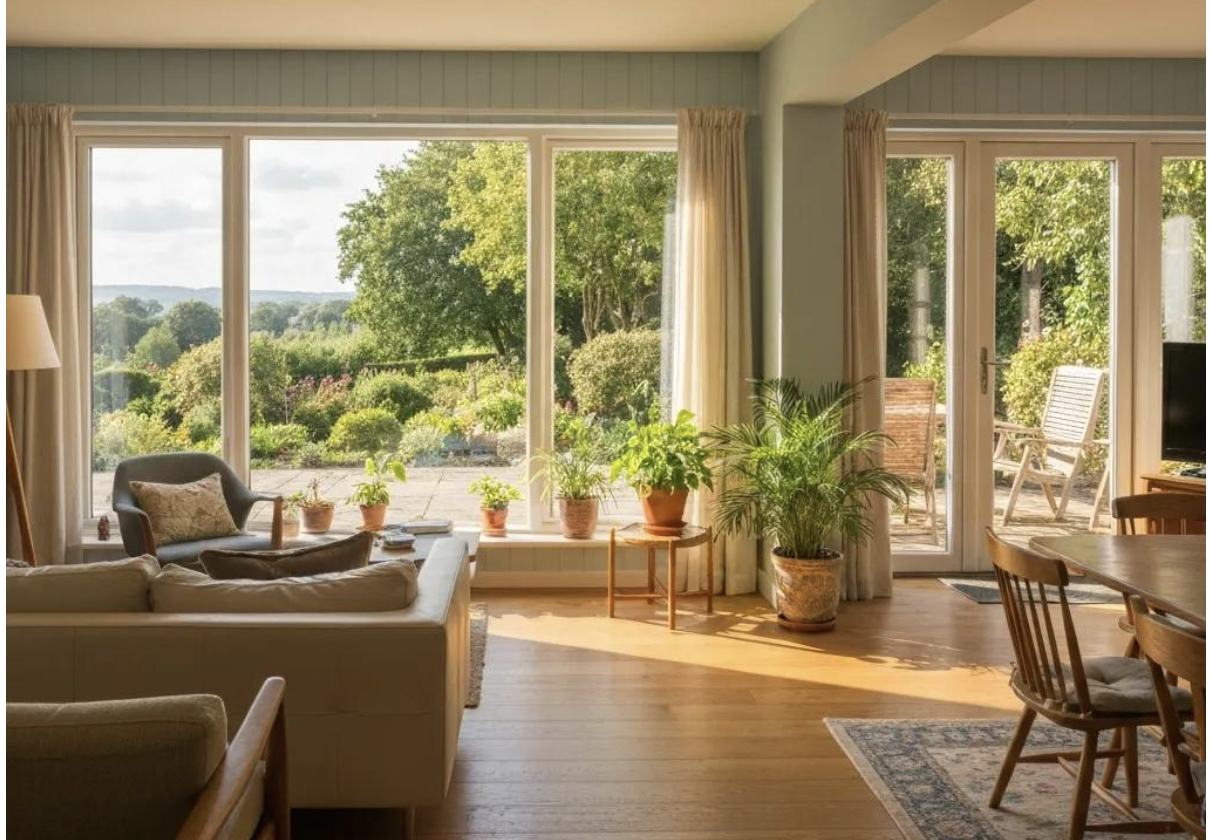
Taking a few simple steps to care for your residential window tint keeps it looking great and working hard through Springfield, MA’s seasons. This guide explains what we mean by home window tint, why regular upkeep matters for UV protection and energy savings, and how everyday habits affect the adhesive, topcoat, and clarity. Many problems—fading, bubbling, edge lift—start when the wrong cleaner is used, windows are cleaned too soon during curing, or surfaces are scrubbed too hard. Below you’ll find local-first advice: realistic curing timelines, a step-by-step cleaning routine for common residential films, safe tools and product picks, a seasonal maintenance calendar tuned to Springfield’s sun and humidity, and troubleshooting tips to know when DIY is okay and when you should call a pro. We also keep useful search phrases like window film maintenance Springfield MA, window film curing time Springfield MA, and residential window film cleaning tips Springfield MA in mind so your tint continues to reduce UV, control heat, and protect privacy for years.
Why Proper Maintenance Matters for Residential Window Tint in Springfield, MA
Regular maintenance preserves the film’s adhesive and protective topcoat so UV blocking, heat rejection, and glare reduction keep doing their job. In short: gentle care prevents abrasive wear and chemical damage that speed up fading and adhesive breakdown. Clean film performs as designed, which can lower air-conditioning use on Springfield’s hottest days. Once you understand the reasons, the actions are simple: follow seasonal and routine steps that stop gradual deterioration before it starts.
What You Gain by Caring for Home Window Film
Consistent care preserves tangible benefits: less interior fading, lower cooling costs, improved comfort, and maintained curb appeal. Intact film keeps UV rejection high so carpet, furniture, and finishes last longer. By cutting glare and helping the film perform as intended, you may reduce how often your air conditioning runs on sunny afternoons. Protecting both appearance and function also helps keep warranty coverage valid and supports resale value—so maintenance is an investment, not just a chore.
How Springfield’s Weather Affects Tint Longevity
Springfield’s hot summers, humid spells, and cold winters put thermal and moisture stress on adhesives and topcoats. Strong sun and heat accelerate optical fading and topcoat wear; repeated warm-to-cold cycles can encourage edge lift if seals weaken. High humidity and sudden storms can trap moisture at edges or in small lifts, making bubbling and staining worse. Seasonal-aware maintenance—more frequent checks after humid summers and before freeze-thaw cycles—helps prevent these climate-related issues.
What Is the Critical Curing Period After Window Tint Installation in Springfield, MA?
Curing is the period when the film’s adhesive sets and bonds to the glass. During this time the film gains its intended adhesion and clarity. Curing speed depends on temperature, humidity, and the film’s chemistry—warm, dry conditions shorten curing time while cold, humid weather slows it—so local Springfield conditions matter. Protecting the film during curing prevents edge lift and impressions that can become permanent. Following sensible do’s and don’ts during this window prepares the film for safe routine cleaning and long-term performance.
How Long Should You Wait Before Cleaning New Window Tint?
Wait times typically range from a few days to two weeks depending on weather and film type: in cool or humid conditions a conservative 7–14 days is wise; in warm, dry weather 3–7 days may be enough. Check for readiness—no tackiness, firm edges, and no shifting when you touch the glass lightly—before attempting wet cleaning. Start with light dusting, then switch to a mild soapy wash once the film feels properly bonded. Always begin with the gentlest method and only increase pressure if the film responds well.
Do’s and Don’ts During the Curing Period
Simple precautions during curing prevent permanent damage to adhesives and topcoats:
- Do keep windows closed: Limit dust and drafts that could get under the film while the adhesive sets.
- Do avoid liquid cleaning: Wait until tackiness disappears so you don’t pull edges loose.
- Do protect edges from contact: Don’t press or rub along borders until curing finishes.
- Don’t roll windows up/down where film is installed: Window motion can crease or delaminate fresh adhesive.
- Don’t use ammonia or solvents: Those chemicals can damage adhesives and topcoats.
- Don’t scrub hard: Aggressive rubbing can leave permanent marks before curing completes.
Follow these simple steps to reduce early failures and get your film ready for regular care.
How to Clean Residential Window Tint Safely in Springfield, MA
Safe cleaning starts with the right supplies and a gentle routine that protects the topcoat and adhesive. The method is straightforward: non-abrasive tools plus an ammonia-free solution remove dirt without abrading the film or softening adhesives—restoring clarity without risk. Using distilled water with a mild soap reduces mineral spotting and chemical damage, which helps in Springfield’s variable humidity. A predictable, step-by-step approach prevents streaks, scratches, and edge lift.
Best Cleaning Tools and Supplies for Home Window Film
Pick tools made for delicate surfaces: quality microfiber cloths, soft-blade squeegees, a spray bottle for diluted cleaner, and distilled water for rinsing. Microfiber lifts dirt without scratching the topcoat, and soft squeegees remove liquid without stressing edges—both cut residue that leads to spotting. Avoid paper towels, abrasive pads, and metal scrapers; those damage the finish and shorten the film’s life.
Tool comparison and recommended use:
| Tool | Why it’s recommended | When to use |
|---|---|---|
| Microfiber cloth | Soft, lint-free weave that’s gentle on topcoats | Daily dusting and final buffing |
| Soft squeegee | Rubber blade that won’t stress edges | Remove cleaning liquid after each pass |
| Spray bottle | Even misting with adjustable nozzle | Apply mild cleaner without soaking edges |
| Distilled water | Low-mineral content to prevent spotting | Rinse and final wipe-down |
| Soft foam sponge | Non-abrasive for gentle scrubbing | Remove heavier soils using light pressure |
Step-by-Step Process to Clean Window Tint
Follow this straightforward routine for consistent results:
- Dust first: Wipe the film with a dry microfiber to lift grit so you don’t scratch during wet cleaning.
- Make a mild cleaner: Mix a few drops of dish soap into distilled water in a spray bottle or use a labeled ammonia-free cleaner.
- Apply sparingly: Lightly mist the film—don’t soak edges—and wipe in gentle, overlapping strokes with a microfiber cloth.
- Finish with a squeegee: Pull top-to-bottom with a soft squeegee, then buff with a dry microfiber to clear streaks.
- Check the edges: Inspect for early signs of lifting and avoid drying methods that tug at borders.
If streaks persist, repeat step 3 using fresh cloths instead of pressing harder—this protects the topcoat and adhesive.
How to Maximize the Lifespan of Your Home Window Tint in Springfield, MA
Extending film life combines routine cleaning, environmental controls, and timely professional checks to preserve performance and warranty coverage. Small, regular actions stop minor issues from turning into major problems: consistent cleaning, edge inspections, and seasonal checks interrupt the damage cycle caused by UV, humidity, and temperature swings. Practical measures—using blinds or awnings during peak sun, planting shade where appropriate, and keeping high-moisture vents away from film—also reduce exposure and wear.
Use this maintenance-action guide to match tasks with frequency and expected benefits:
| Maintenance Action | Frequency | Expected benefit |
|---|---|---|
| Gentle full clean | Every 3 months (quarterly) | Preserves the topcoat and clarity; slows fading |
| Edge inspection | Every 6 months | Catches early edge lift and bubbling |
| After-storm check | After severe weather | Detects moisture intrusion early |
| Use shades or covers | Seasonal (summer peak) | Reduces UV/heat stress and extends life |
| Professional inspection | Annually or after damage | Restores seals and documents warranty needs |
If you manage commercial properties in Springfield, MA, our commercial window tinting solutions offer the same advantages scaled for larger glass areas and different operating needs.
Routine Tips to Prevent Fading, Bubbling, and Peeling
A simple, regular schedule prevents most common failures by catching root causes early. Quarterly gentle cleaning removes abrasive grit and contaminants that wear the topcoat; semi-annual edge checks find small lifts where moisture gathers. Using curtains, awnings, or shade trees to limit extended sun exposure reduces fading and heat stress during Springfield’s hottest months. Keep a short photo log of any blemishes—this history helps decide whether a professional reseal or repair is needed before a minor problem spreads.
When to Call a Pro for Maintenance or Repairs
Call a professional when you see signs of adhesive failure, large bubbles, or peeling you can’t safely fix yourself. Examples include persistent widespread bubbling, edge peeling that reveals bare glass, heavy discoloration affecting visibility, or any area where the film lifts beyond small isolated bubbles. A pro can assess adhesives, reseal edges, or replace panels to restore performance and protect your warranty—often stopping damage from spreading to nearby sections.
If you’d like trusted local help, Glass Tint USA provides residential maintenance and inspection services using made-in-the-USA materials and backed by a lifetime guarantee. Request a quote or schedule an assessment so a trained technician can document issues and recommend repairs.
Which Cleaners and Products Are Safe for Residential Window Tint in Springfield, MA?
Choosing safe cleaners protects the adhesive and topcoat. Ammonia-based or solvent cleaners attack coatings and accelerate adhesive failure. Chemically, ammonia can weaken polymer topcoats and bond layers, producing clouding, edge lift, and premature fading. For most jobs use a mild, ammonia-free commercial cleaner or a DIY mix of distilled water plus a tiny amount of dish soap.
Cleaner comparison and film suitability:
| Cleaner Type | Main trait | Suitability for window film |
|---|---|---|
| Ammonia-based glass cleaner | Contains ammonia solvent | Unsafe — can damage topcoat and adhesives |
| Mild dish soap solution | Surfactant mixed with distilled water | Safe — gentle and effective for routine cleaning |
| Commercial ammonia-free cleaners | Alcohol- or soap-based formulas | Safe when labeled ammonia-free and pH-balanced |
| Strong solvents (acetone, paint thinner) | Powerful chemical solvents | Unsafe — strips coatings and adhesives |
| Diluted vinegar solution | Weak acetic acid when diluted | Use sparingly and heavily diluted; spot-test first |
Why Avoid Ammonia-Based Cleaners on Window Film?
Ammonia is reactive and can penetrate polymer topcoats, weakening adhesives and causing clouding, edge lift, and faster fading. Those effects shorten useful life and can void warranties in some cases. Industry best practice and real-world experience both recommend avoiding ammonia and using ammonia-free alternatives that clean without collateral damage.
Recommended Ammonia-Free Cleaners and DIY Alternatives
For routine cleaning use a diluted dish soap solution with distilled water or a commercial cleaner explicitly labeled ammonia-free. A reliable DIY recipe is one teaspoon of mild dish soap per quart of distilled water in a spray bottle—effective and safe for repeated use. When testing a commercial product, choose pH-neutral formulas made for films and always spot-test in an inconspicuous area first. Avoid abrasive powders, strong solvents, and harsh acids or bases that can etch or cloud the film.
Common Problems with Home Window Tint and How to Fix Them in Springfield, MA
Typical problems include bubbling, edge peeling, discoloration, and scratches. Finding the root cause—moisture, adhesive failure, or mechanical damage—determines the right fix. Small trapped moisture bubbles may resolve during curing or be corrected with careful puncture and smoothing; adhesive failure or extensive peeling usually requires professional repair or replacement. Acting early matters: small fixes are often simple, while delays can let damage spread and may affect warranty coverage.
Identifying and Treating Bubbling, Peeling, or Discoloration
Appearance points to cause. Tiny clear bubbles shortly after installation are often trapped moisture and can disappear as the film cures; larger, cloudy bubbles or edge lifts appearing months later typically indicate adhesive or seal failure.
Small bubbles can sometimes be opened with a sterilized needle and smoothed with a soft squeegee, then monitored. Edge peeling, widespread discoloration, or extensive adhesive failure should be evaluated by a professional and may require panel replacement.
If discoloration is limited to the topcoat, a professional cleaning may restore the look; if the color change goes through the film, replacement is usually necessary.
Finding problems early and responding appropriately reduces repair costs and limits further damage.
How Professional Maintenance Protects Warranty and Extends Life
Documented professional maintenance and prompt repairs help preserve warranty rights and stop progressive failure by restoring edge seals or replacing compromised panels before nearby areas fail. Technicians can reseal edges, use compatible adhesives, and replace sections with made-in-the-USA materials that match original specifications—keeping UV protection and energy performance consistent. Glass Tint USA provides residential maintenance inspections and repair work backed by a lifetime guarantee; documented service supports warranty claims when defects arise. Scheduling annual checks or calling after severe weather helps keep your film and warranty intact.
Glass Tint USA’s residential maintenance services, including inspections and written repair proposals, are available to Springfield homeowners—request a quote or schedule an appointment to document maintenance and protect your warranty.
Frequently Asked Questions
1. What is the best time of year to perform maintenance on window tint?
Spring and fall are ideal for routine maintenance—temperatures and humidity are usually moderate, making inspections and cleaning easier without extreme weather interfering. Also check after long stretches of summer sun or after winter storms to catch any moisture-related issues early.
2. How can I tell if my window tint is still effective?
Look for signs like fading furniture, noticeably higher indoor temperatures, or increased glare. Those changes can indicate the tint’s UV-blocking or heat-rejection performance has declined. Regular inspections or a professional assessment will confirm whether the film is still doing its job.
3. Can I apply a new layer of tint over existing film?
We generally don’t recommend layering new tint over old. Stacking films can cause bubbling, peeling, and visibility problems. If the existing tint is damaged or underperforming, have it removed before installing a new layer—your installer can recommend the best approach.
4. What should I do if my window tint is discolored?
Discoloration can signal adhesive failure or topcoat damage. Minor surface discoloration might improve with a professional cleaning; deep or widespread color change usually means the film needs replacement. Address issues quickly to avoid further damage.
5. How does humidity affect window tint performance?
Humidity can weaken the adhesive bond and lead to bubbling or edge lift by trapping moisture under the film. To reduce risk, keep areas well ventilated, inspect after humid seasons, and follow the recommended cleaning schedule to catch problems early.
6. Is it safe to use a pressure washer on window tint?
No—pressure washers are not safe for window film. High-pressure water can lift edges, cause bubbling, or peel the film. Stick to gentle hand-cleaning methods with non-abrasive tools and mild cleaners.
7. What are the benefits of hiring a professional for window tint maintenance?
Professionals provide an expert assessment, use the right tools and products, and can perform repairs or replacements safely. They also document maintenance—important for warranty claims—and can address issues before they escalate, extending the life of your tint.
Conclusion
Proper care keeps your home window tint in Springfield, MA performing well and looking its best. Simple, regular maintenance—gentle cleaning, routine inspections, and seasonal checks—goes a long way toward preserving UV protection, heat control, and curb appeal. When in doubt, call a pro to protect your investment and warranty. For expert help and dependable products, explore our residential window tinting services or request a quote today.