

What You’ll Pay for Home Window Tinting in Springfield, MA: Costs & Packages, Explained
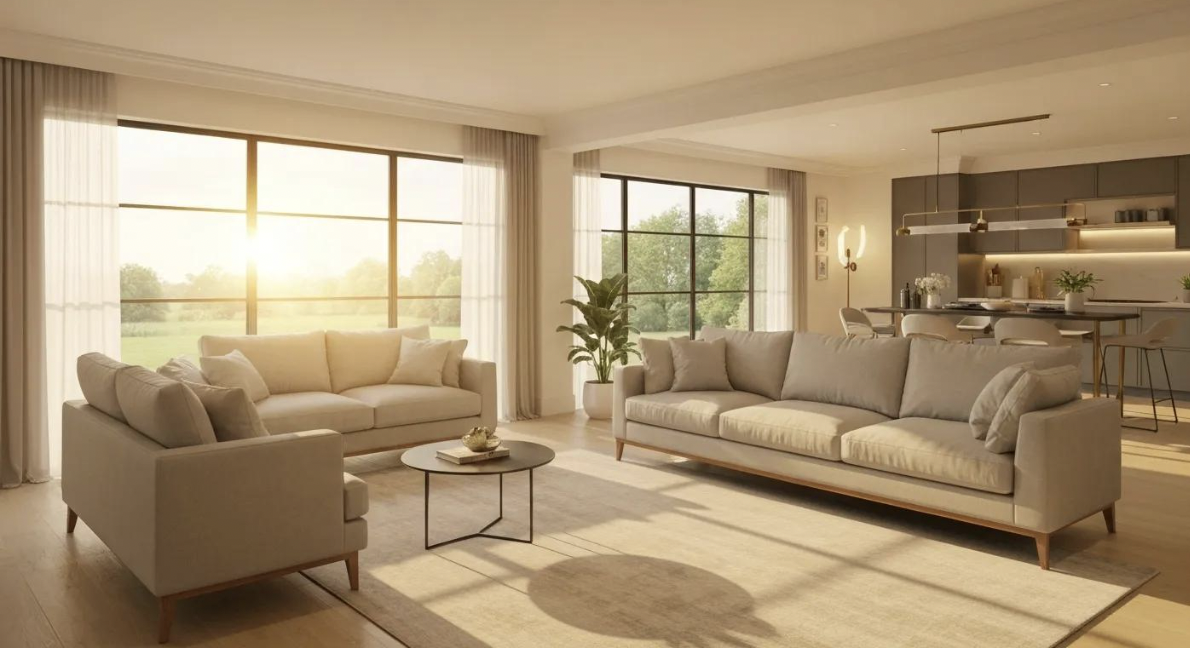
Residential window tinting cuts solar heat, blocks harmful UV, and boosts privacy by applying engineered window films to your existing glass. This guide lays out what Springfield, MA homeowners should expect to pay and why prices vary. You’ll see the key cost drivers, how per‑square‑foot rates change by film type, and the common residential packages local installers offer so you can compare options before requesting a quote. Many homeowners are motivated by energy savings, glare control, and protecting interiors; below we walk through the tradeoffs between dyed, reflective, ceramic, security, and decorative films and how those choices affect price and long‑term value. Read on for per‑square‑foot benchmarks, example budgets from a single room to a whole house, ROI illustrations tied to regional energy use, and clear steps to get an accurate estimate. The following sections cover cost drivers, $/sq ft averages with a film comparison, package breakdowns, ROI estimates, reasons to consider Glass Tint USA, and a compact FAQ answering the top transactional questions Springfield homeowners ask about residential window film installation.
What Are the Key Factors That Influence Home Window Tinting Costs in Springfield, MA?
Tinting quotes come down to a few predictable variables. Some are measurable—square footage and film type—while others are situational, like access or existing film removal. Knowing these drivers makes it easier to read estimates and pick the most cost‑effective route for your goals, whether that’s cutting energy bills, increasing privacy, or adding security. Below is a short list of the primary cost influences with context to help you prioritize when planning a project for Springfield’s climate.
- Window size and total square footage determine most material costs and whether installers quote by the square foot or per window.
- Film type sets material cost tiers—dyed films are least expensive; ceramic and security films are at the premium end.
- Installation complexity increases labor time and may require ladders, lifts, or specialty tools for multi‑story or awkward windows.
- Removing old film, damaged frames, or custom glass shapes requires extra prep work and raises labor charges.
These variables interact: large jobs often lower the per‑unit labor cost, but high‑performance films or difficult access can push the total up. We recommend weighing material choices against installation realities when you compare bids.
How Does Window Size and Number Affect Your Tinting Price?
Most residential installers use per‑square‑foot pricing as the baseline, and larger projects typically get better unit pricing thanks to material discounts and reduced setup time. For instance, a single 20 sq ft window under a small‑job minimum can be proportionally more expensive than that same area included in a 300 sq ft whole‑house job where travel and setup are spread out. Small‑job premiums and minimum service fees are common, so bundling windows by area or scheduling several rooms at once usually lowers the total. When you request a quote, ask whether the installer charges by square foot, by window, or uses a hybrid model with minimum fees—transparency makes bid comparisons fairer.
Which Types of Window Film Affect Pricing and Benefits?
Film selection is the biggest single factor in material cost and long‑term performance. Dyed films are the budget option; reflective/metallic films sit mid‑range; ceramic and security films are the most expensive but offer superior heat rejection and durability. Each class balances upfront cost against benefits like glare control, UV protection, thermal performance, and clarity. Choose between options such as ceramic solar control, privacy films, security/safety films, or decorative films depending on whether you prioritize immediate savings or longer‑term ROI from reduced HVAC runtime and interior preservation.
How Does Installation Complexity Influence Your Total Cost?
Complex installs add labor hours and may need specialized gear, which increases the labor portion of your estimate. Examples include multi‑story windows that require lifts, irregularly shaped glass that needs precise cutting and finishing, or windows with old adhesive residue or attached screens. Installers often add surcharges for difficult access, and any scaffold or lift rentals normally appear as separate line items on a detailed quote. Knowing these common adders lets homeowners budget realistically and, where possible, prepare access to reduce surprises on install day.
What Are Typical Labor Rates for Window Tinting in Springfield, MA?
Labor can be shown as an hourly crew rate or embedded in a per‑square‑foot installed price; either way, local market conditions and installer experience affect rates. Labor covers site prep, precise cutting and trimming, installation, and final inspection, and it often increases for specialty films that need careful handling. When reviewing quotes, confirm whether the price includes the full install crew, warranty labor, and any site protection—comparing these labor assumptions helps avoid unexpected charges. For the most accurate number, schedule an on‑site estimate since frame condition and preexisting damage materially affect labor time.
What Is the Average Cost Per Square Foot for Home Window Tinting in Springfield, MA?
Per‑square‑foot benchmarks are a practical starting point for comparing bids across the film classes homeowners commonly choose. Below is a concise table summarizing typical film types, installed cost ranges, and the main benefits and warranty expectations so you can quickly map price to value.
This table compares film types by installed cost and the primary value each delivers for homeowners.
| Film Type | Avg $/sq ft (installed) | Key Benefits & Typical Warranty |
|---|---|---|
| Dyed Film | $6 – $8 | Budget glare reduction and increased privacy; moderate UV blocking; shorter warranty (5–7 years) |
| Reflective/Metallic Film | $8 – $10 | Enhanced solar control and daytime privacy; noticeable finish; moderate warranty (7–10 years) |
| Ceramic Film | $10 – $12 | Superior heat rejection with excellent clarity and minimal signal interference; longer warranty (10–12 years) |
| Security/Safety Film | $12 – $15 | Thicker film for shatter resistance and forced‑entry protection; typically long warranties (10+ years) |
That table shows the cost‑to‑performance curve: dyed films lower upfront cost while ceramic and security films add durability and stronger energy ROI.
How Do Different Film Types Compare in Cost and Benefits?
Dyed film is an entry‑level choice that offers basic glare control and some UV blocking at the lowest installed price. Reflective films improve solar control but change the exterior appearance. Ceramic films command a premium because they reject more infrared heat without significantly darkening glass or interfering with electronics, making them ideal for energy‑minded homeowners. Security films are thicker and hold glass together under impact; though pricier, they can offset replacement and safety costs after an incident. Brands like LLumar and XPEL are commonly cited for higher‑end ceramic and protective films and are known for consistent quality.
What Is the Typical Price Range for Residential Window Tinting in Springfield?
Project costs vary with scope: small single‑room installs can begin in the low hundreds; medium projects (multiple rooms) generally fall into the low thousands; whole‑house jobs often reach several thousand dollars depending on film choice and complexity. For instance, tinting 60–100 sq ft of living‑room glass with a mid‑range film may cost a few hundred dollars, while tinting a 2,000 sq ft home's windows with ceramic film could reach the high thousands. Always compare line items for material, labor, and any removal or access fees—an itemized quote clarifies which parts of the price are negotiable and where value adds like extended warranties appear.
Which Residential Window Tinting Packages Are Available for Springfield Homeowners?
Installers often sell packaged options that bundle film type, warranty, and install scope so choices are easier to compare. Common packages include Basic Protection, Enhanced Energy Efficiency, Premium Privacy & Security, and Custom Decorative. Each package targets a homeowner goal—budget, energy savings, safety, or aesthetics—and a clear menu helps you self‑select before requesting an on‑site quote. The table below outlines typical inclusions, estimated price ranges, and the use cases best suited to each package.
The table below explains package inclusions and typical price bands so you can choose the right starting point before scheduling a visit.
| Package Name | Includes (film type, warranty, features) | Estimated Price Range & Ideal Use Case |
|---|---|---|
| Basic Protection | Dyed or entry solar film; 5–7 year warranty; glare and UV reduction | $200–$800 for small projects; budget‑minded homeowners |
| Enhanced Energy Efficiency | Ceramic or high‑performance solar film; 10–12 year warranty; strong heat rejection | $800–$3,000 depending on scope; homeowners focused on HVAC savings |
| Premium Privacy & Security | Reflective/privacy films or security film; 10+ year warranty; shatter resistance | $1,200–$4,000+; ideal for ground‑floor windows and sliding doors |
| Custom Decorative | Frosted/etched‑look films; design consultation; priced per window | $150–$800 per window depending on complexity; aesthetic renovations |
These packages are frameworks—final pricing depends on window geometry, install complexity, and the exact film model—so use the package table to narrow options before an in‑person estimate.
After reviewing packages, homeowners often ask about trusted providers that install made‑in‑USA films and stand behind their work. Glass Tint USA installs residential and commercial film, highlights certified installers and made‑in‑USA brands like LLumar and XPEL, and offers a lifetime workmanship guarantee. If you want a tailored package, request an on‑site estimate that itemizes film model, warranty coverage, and installation labor so you can compare options using the table above.
What Does the Basic Protection Package Include and Cost?
The Basic Protection package focuses on essentials—UV blocking, glare reduction, and modest heat control—using entry‑level dyed or basic solar films to keep upfront costs low. It’s a solid choice for budget‑conscious homeowners or quick room‑by‑room upgrades. Warranties tend to be modest, and small‑job minimums may apply. Choose this package when your primary goals are UV protection and privacy without the longer payback period associated with higher‑end ceramic films.
How Does the Enhanced Energy Efficiency Package Save You Money?
Enhanced Energy Efficiency packages use higher‑performance films—typically ceramic or multi‑layer solar films—that reject more infrared heat and reduce cooling load during warm months, delivering measurable HVAC savings. Typical reductions can shorten payback for homeowners in mixed climates by lowering AC runtime and evening out indoor temperatures. Example: a $1,500 package that trims annual cooling costs by $150–$250 would pay back in roughly six to ten years depending on usage and local energy prices. For long‑term savings, this package balances higher upfront cost with ongoing operational value.
What Are the Features of the Premium Privacy and Security Package?
The Premium Privacy & Security package pairs privacy films—reflective or darker tints—with thicker security films that help keep glass intact on impact. It’s popular for ground‑floor windows, sliding doors, and rooms that need daytime privacy without blackout treatments. Installation can be more complex because thicker films require careful handling around hardware, which raises labor time and cost, but the added safety and privacy benefits justify the premium for many homeowners. Warranty terms for security applications are typically robust to match the heavier film construction.
How Can Custom Decorative Window Films Enhance Your Home?
Decorative films deliver privacy and visual appeal without the permanence of etched glass. Options include frosted finishes, patterned motifs, and branded looks for interior partitions. Pricing is often per window or per project since designs require patterning and sometimes custom cutting. Plan a short consultation to review samples and mockups—this ensures the selected design gives the right light diffusion and privacy while staying on budget. Decorative films rarely provide large energy savings, but they add perceived value and satisfy specific design goals.
What Is the Return on Investment for Home Window Tinting in Springfield, MA?
Tinting returns value through lower energy use, longer life for interior furnishings, and improved comfort that can reduce HVAC wear. Quantifying those benefits helps homeowners weigh cost‑effectiveness. Energy savings come from measurable heat‑rejection rates, UV protection prevents fading of fabrics and floors, and comfort improvements reduce thermostat swings. The table below links common ROI benefits to practical metrics and local‑style estimates you can use when modeling payback for Springfield homes.
Below is a concise ROI table tying benefits to measurable metrics and approximate local estimates to support homeowner decision‑making.
| Benefit | Metric (e.g., % heat rejection or $/year savings) | Value (Local estimate / supporting stat) |
|---|---|---|
| Energy Savings | % solar heat rejection | 10–25% reduction in summer cooling load depending on film; $100–$300/yr potential savings for typical homes |
| UV Protection | % UV blocked | 99%+ UV blockage common with quality films; reduces fabric/floor fading and replacement costs over years |
| Interior Preservation | $ of avoided replacement | Preserves furniture and flooring replacement cycles, potentially saving several hundred dollars over a decade |
| Comfort & HVAC Runtime | Reduced AC runtime (hours/yr) | More even temperatures can lower HVAC runtime and maintenance costs; estimated modest annual savings |
These ROI ps show how higher‑performance films can pay for themselves over time through energy savings and protecting interior assets. Exact results depend on home orientation, shading, and HVAC efficiency.
How Much Can You Save on Energy Bills with Window Tinting?
Savings vary with film performance and home characteristics; higher heat‑rejection films produce larger cooling savings while basic films mainly reduce glare and UV. Conservative industry estimates suggest 5–15% annual cooling savings with mid‑ to high‑performance films, with higher percentages in very sunny exposures. Example: if your household spends $1,200 a year on cooling, a 10% reduction equals $120 saved annually—over ten years that significantly offsets the cost of premium films. For precise projections, schedule an on‑site energy assessment since orientation, shading, and insulation greatly influence realized savings.
How Does Window Tinting Protect Your Home’s Interior from UV Damage?
Quality films commonly block over 99% of UV radiation—the main cause of fading in fabrics, carpets, and finishes. Blocking UV slows the degradation that forces early replacements, extending the life of furnishings and flooring and saving replacement costs over time. For homeowners with valuable textiles or hardwood floors, the preservation benefit alone often justifies choosing mid‑range films because replacement costs typically exceed the incremental film premium. That preservation benefit combined with energy savings strengthens overall ROI.
How Does Window Tinting Improve Comfort and Privacy at Home?
Tinting evens indoor temperatures by reducing localized solar heat gain, minimizing hot spots near sun‑exposed windows and improving comfort without overworking HVAC systems. Reduced glare makes rooms more usable for screens and reading, while privacy films let daylight in but block clear daytime views from outside. These comfort improvements also have secondary financial value—fewer thermostat adjustments and fewer comfort‑related service calls can extend HVAC life. For families, daily comfort gains often translate into high perceived value even when direct energy savings are modest.
Why Should Springfield Homeowners Choose Glass Tint USA for Window Tinting?
Glass Tint USA provides residential, commercial, and automotive window film services and emphasizes certified installers, made‑in‑USA films, and strong workmanship protection. Picking a provider that uses reputable film brands and backs installations helps secure long‑term performance and warranty support—important when you compare upfront price to lifecycle value. Below are focused trust signals and a simple next step to request an on‑site estimate and a clear quote.
- Glass Tint USA employs certified installers and works across residential, commercial, and automotive applications with a professional installation focus.
- The company highlights made‑in‑USA films, commonly installing brands such as LLumar and XPEL, which aligns with homeowners seeking durable, proven products.
- Glass Tint USA offers a lifetime workmanship guarantee, giving confidence that installation issues will be addressed for the expected life of the film.
If you value made‑in‑USA products, certified installation, and a workmanship warranty, request a detailed, itemized estimate that compares film options and spells out warranty terms so you can evaluate total cost of ownership.
What Experience and Guarantees Does Glass Tint USA Offer?
Glass Tint USA lists certified installers and a lifetime workmanship guarantee as primary buyer assurances—important distinctions when comparing similar material bids because installation quality affects longevity. Their service scope spans residential, commercial, and automotive installations, so installers bring broad experience across film types and applications. When you request a quote, ask for explicit warranty language and confirmation that the chosen film model is backed by the manufacturer’s warranty in addition to workmanship coverage.
Why Are Made-in-USA Window Films Important for Quality?
Made‑in‑USA films from established manufacturers typically offer more consistent material quality, documented long‑term performance, and clearer warranty pathways than many generic imports. These films are formulated for UV stability, adhesive longevity, and optical clarity, reducing the risk of premature discoloration or delamination. Reviewing product samples and warranty documents during the sales process helps homeowners set realistic performance expectations and choose the best cost‑versus‑benefit solution for their home. Pairing a reputable film with a certified installer reduces the chance of post‑install issues and supports stronger lifecycle ROI.
What Are the Most Common Questions About Home Window Tinting Costs in Springfield, MA?
Below are the transactional questions homeowners often search for when comparing prices, interpreting quotes, and planning installations—short answers to help you move from research to booking an on‑site estimate.
- How Much Does Home Window Tinting Typically Cost?Installed costs typically range from about $6–$12 per square foot depending on film type, with small projects starting in the low hundreds and whole‑house projects running into the thousands; see the per‑square‑foot table above for film‑specific ranges.
- What Factors Can Increase or Decrease My Window Tinting Price?Main drivers are window quantity and size, film choice, installation complexity, existing film removal, and warranty level; grouping windows and picking accessible install locations reduces per‑unit labor.
- Which Window Film Type Offers the Best Value for Springfield Homes?Value depends on goals: ceramic films often deliver the best long‑term energy ROI, while dyed films minimize upfront cost; consult an installer to match film performance with your priorities.
- Are There Financing Options Available for Residential Window Tinting?Financing may be available through some providers or third‑party programs—ask about options during quoting and request itemized estimates that include any financing terms for clear comparison.
Each short answer points back to the detailed sections above on per‑square‑foot benchmarks, package choices, and ROI modeling to help you prepare for an on‑site estimate.
- To get a reliable quote: measure total window area, define your film goals (energy, privacy, security), and request itemized bids from certified installers.
- To save: group windows to avoid minimum charges, consider mid‑tier films for a balance of cost and performance, and prepare safe access to reduce complexity surcharges.
- When comparing quotes: ensure each bid lists the film manufacturer, warranty length, and labor inclusions so comparisons are apples‑to‑apples.
These practical steps help convert research into action while keeping cost transparency and long‑term value front of mind for Springfield homeowners considering residential window tinting.
Frequently Asked Questions
What are the benefits of window tinting beyond energy savings?
Window tinting delivers advantages beyond lower energy bills. It cuts glare for more comfortable viewing and reading, blocks over 99% of harmful UV to protect furniture and floors from fading, and increases daytime privacy while still letting natural light in. These benefits extend the life of interior items and improve daily comfort.
How long does window tinting typically last?
Lifespan varies by film type and installation quality. High‑quality ceramic or security films commonly last 10–15 years or more with proper care; dyed films are usually closer to 5–7 years. Sun exposure, weather, and maintenance practices also affect longevity.
Can I install window tint myself, or should I hire a professional?
DIY kits exist, but professional installation is recommended. Trained installers have the tools and experience to avoid bubbles, creases, or miscuts, and they can advise on the best film for your needs and local rules. Professional installs often include film and workmanship warranties that DIY jobs don’t provide.
What should I consider when choosing a window tinting package?
Think about your main goals: energy efficiency, privacy, security, or appearance. Check the film types in each package, warranty lengths, and whether prep work (like old film removal) is included. Also consider installation complexity and whether the package meets your budget and performance expectations.
Are there any local regulations regarding window tinting in Springfield, MA?
Yes—Springfield has rules on darkness and reflectivity for certain property types. Check local regulations or ask your installer to confirm compliance. Professional installers are usually familiar with local limits and can recommend compliant film options that still meet your goals.
How can I maintain my tinted windows for longevity?
After installation, wait at least 30 days before cleaning to allow adhesive to settle. Use a soft cloth and mild soap solution—avoid abrasive cleaners and scrapers. Regularly inspect edges for lifting and address any damage promptly to prevent further issues.
What are the environmental benefits of window tinting?
Tinting reduces heat gain, lowering air‑conditioning demand and associated energy use and greenhouse gas emissions. Quality films also protect interiors, reducing waste from early replacement of furnishings. Many films contain recyclable components, so tinting can be part of a broader energy‑efficient, environmentally conscious home strategy.
Conclusion
Home window tinting is a practical investment—improving energy efficiency, blocking UV, and adding privacy while protecting interiors. Understanding film types, typical costs, and package differences helps you choose the right solution for your needs. Ready to explore options for your home? Request a personalized, itemized quote to compare films, warranties, and expected savings. See how professional window tinting can improve your comfort and protect your investment.