

Home Window Tinting in Springfield, MA: Energy Savings and UV Protection
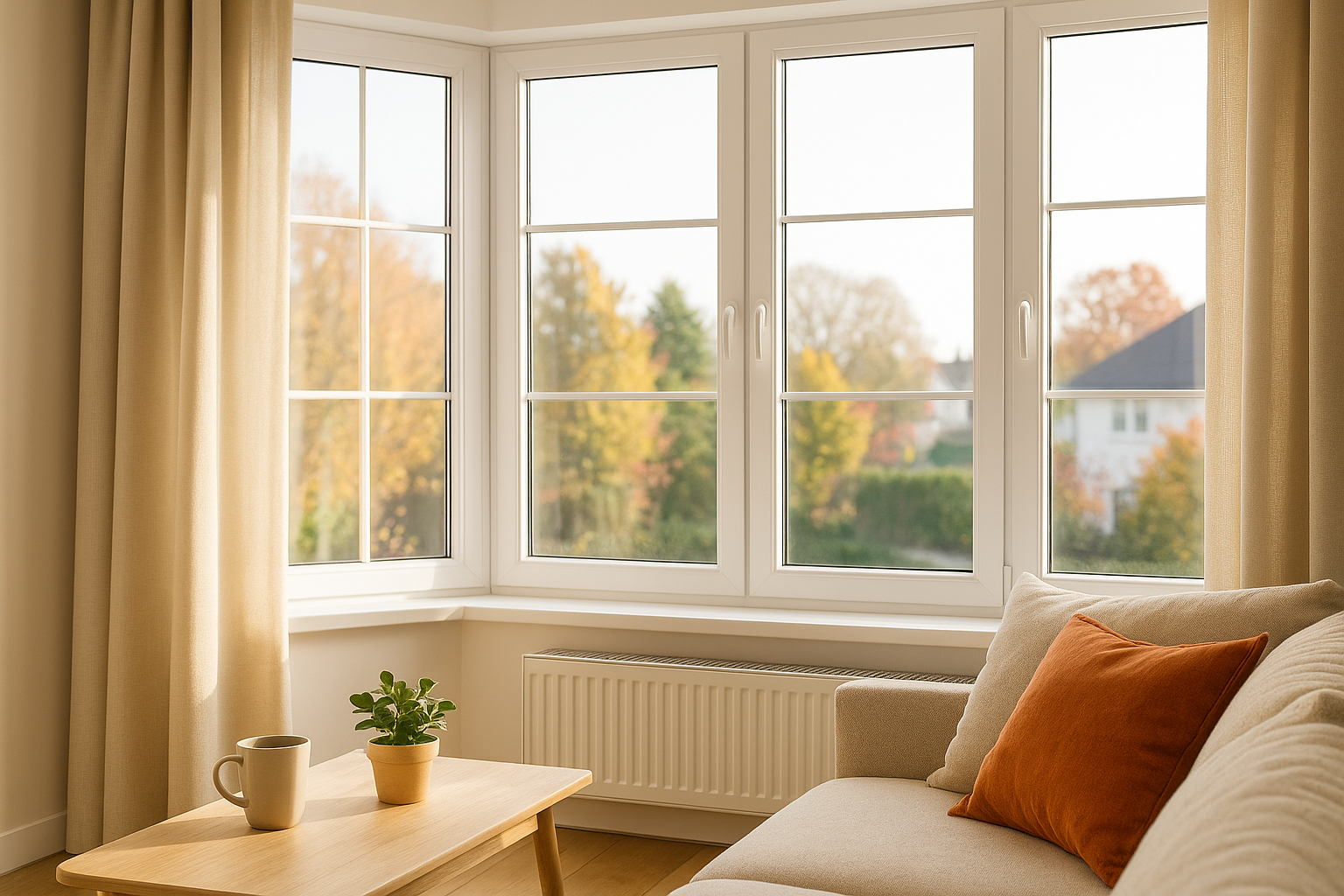
Springfield homeowners often deal with two ongoing headaches: higher cooling bills in the summer and faster fading of carpets, furniture and artwork from sunlight. This guide shows how residential window tinting tackles both—cutting solar heat gain, blocking harmful UV rays, and making interior spaces more comfortable while keeping natural light. You’ll get plain‑language explanations of the energy savings mechanisms, the UV protection benefits for skin and interiors, practical comfort and privacy options, how to choose the right film, and straightforward local cost guidance for Springfield, MA homeowners considering residential window tinting. We also compare common film technologies, break down per‑square‑foot cost drivers, and walk through simple payback examples so you can estimate ROI. By the end, you’ll have a clear plan to decide whether window film is the right fit for your home.
How Does Home Window Tinting Save Energy in Springfield Homes?
Window film reduces energy use by blocking a portion of incoming solar radiation so rooms stay cooler in the summer and glazing performs better year‑round. Films do this with reflective or absorptive layers that target near‑infrared (NIR) and ultraviolet (UV) wavelengths, spectrally‑selective coatings that reject heat while keeping visible light, and low‑emissivity (low‑e) treatments that cut radiant heat transfer. The result: lower peak HVAC loads, shorter run times, and fewer hot spots near windows—measurable reductions in cooling energy in homes with significant sun exposure. Knowing how each film type performs helps you match products to window orientation and your performance goals.
Different film technologies deliver different thermal and optical outcomes; the table below summarizes typical performance and estimated energy impacts for common residential films.
This comparison shows how film choice affects visible light, heat rejection, and approximate energy savings for homes with typical window exposures.
| Film Type | Typical Visible Light Transmission (VLT) | Thermal Performance / Heat Rejection | Estimated % Reduction in Cooling Energy |
|---|---|---|---|
| Ceramic (spectrally-selective) | 40–70% | Strong infrared rejection with low reflectivity | 10–30% |
| Metalized / Solar Control | 20–50% | Reflects solar energy; can darken glass somewhat | 8–20% |
| Low-e Film | 50–80% | Improves insulating value; lowers radiant heat transfer | 5–15% |
Actual savings depend on window orientation, glass type, and HVAC efficiency—south‑ and west‑facing windows usually see the biggest benefit. The table shows that ceramic and spectrally‑selective films often deliver the best mix of heat rejection and daylight retention, which produces the strongest energy savings in sun‑exposed rooms. With those technical differences in mind, the next step is choosing the right film for each exposure in your home.
What Types of Window Films Improve Home Energy Efficiency?
Ceramic, spectrally‑selective, and low‑e films all target specific wavelengths—blocking near‑infrared heat while allowing visible light—so rooms stay cooler without feeling dim. Ceramic films use non‑metallic ceramic particles to stop infrared energy with minimal interference to signals and retain higher visible light, making them a good choice for living areas and south‑ or west‑facing windows. Spectrally‑selective films are engineered to reject heat‑producing wavelengths while preserving natural light and color fidelity—ideal where daylight matters. Low‑e films focus on improving the insulating performance of the glass, reducing radiant heat transfer in both heating and cooling seasons. Those material differences create trade‑offs between glare control, daylighting, and energy savings, which homeowners should weigh when selecting a film.
The energy and UV‑protection benefits of these films are well documented in technical literature and manufacturer test data.
Spectrally Selective Window Films: Solar Gain and UV Protection
Spectrally‑selective films are highly efficient at reducing solar gain while providing UV protection. Low visible reflectance and attractive aesthetics are important to many customers.
How Much Can You Reduce Your Energy Bills with Window Tinting?
Savings vary with baseline window area, orientation, and local climate, but many residential installs achieve double‑digit cuts in cooling energy when high‑performance film is applied to sun‑exposed glass. For a typical Springfield home with several large south‑ and west‑facing windows, spectrally‑selective or ceramic films commonly reduce summer cooling energy by roughly 10–30%, and payback often occurs within a few years for homes with significant A/C use. For example, if summer cooling runs about $1,200 and a film delivers 20% savings, that’s roughly $240 per year—useful when estimating payback from installed cost per square foot. Because results vary, consider your window area and usage patterns and ask for measurement‑based estimates when you want a precise ROI forecast.
After understanding energy mechanics and expected savings, homeowners usually want professional installation that translates lab numbers into real results. Glass Tint USA offers residential energy‑saving film options and stands behind installations with a lifetime workmanship guarantee; certified technicians install trusted USA‑made films from known manufacturers like LLumar and XPEL to help deliver predictable in‑home performance.
What Are the UV Protection Benefits of Residential Window Tinting?
Residential window film blocks the ultraviolet radiation that fades fabrics, flooring and artwork and contributes to cumulative skin damage for people who sit near windows. Films deliver UV protection with UV‑absorbing layers and coatings that attenuate both UV‑A and UV‑B wavelengths while still letting visible light through. Many modern residential films advertise up to 99% UV blocking, dramatically reducing fading and the indoor UV dose occupants receive. That protection lengthens the life of textiles and finishes and reduces the need to replace sun‑damaged furnishings.
Key homeowner benefits from UV‑blocking films include preserved interior colors, reduced incidental UV exposure for occupants, and lower long‑term replacement costs for sun‑sensitive materials.
- Furniture and carpet protection: Slows color loss and material breakdown caused by sunlight.
- Skin and health safeguard: Cuts incidental UV exposure for family members who spend time near windows.
- Artwork and wood finish preservation: Reduces photochemical damage that causes fading and cracking.
These practical advantages link aesthetic and health concerns, so next we’ll outline how films block UV at the material level and the direct benefits homeowners can expect.
Advances in specialized coatings have significantly improved modern films’ UV‑blocking performance.
UV-Shielding Coating for Energy Efficient Windows
Transparent coatings that provide thermal insulation and UV shielding help improve the overall energy performance of glazing while protecting interiors.
Transparent, thermal insulation and UV-shielding coating for energy efficient glass window, 2021
Specialized coatings and film chemistries play an important role in preventing the harmful effects of UV radiation on both people and home interiors.
UV-Protective Windows and Films: Preventing Skin Cancer and Damage
People are exposed to ambient UV radiation throughout normal daily activities. Excessive, cumulative UV exposure contributes to skin cancers, premature aging, and eye disorders. Photoprotective windows and films are an important tool in reducing indoor UV exposure and protecting occupants.
Use of UV‑protective windows and window films to aid in the prevention of skin cancer, 2004
How Does Window Film Block Harmful UV Rays to Protect Your Home?
Window films use UV‑absorbing additives and multi‑layer constructions that reflect or absorb ultraviolet wavelengths before they pass into interior spaces. A typical film stack includes a durable topcoat for scratch resistance, a film body with UV‑absorbing chemistry or ceramic particles, an adhesive layer, and a protective liner. Together these layers attenuate UV while managing visible light. Spectrally‑selective and ceramic films are tuned to target near‑infrared and UV bands precisely, reducing heat and photochemical damage without noticeably darkening rooms. Because UV blocking is built into the film’s composition, homeowners get consistent protection over time and across seasons.
Knowing how films are layered helps explain why some products both block UV and preserve daylight, and it clarifies the health and furnishing benefits homeowners see.
What Health and Furnishing Benefits Come from UV-Blocking Window Films?
Blocking up to 99% of UV radiation reduces the cumulative exposure that contributes to skin aging and some skin‑cancer risks—particularly relevant for people who spend time in sunlit rooms. For interiors, UV‑protective films slow photodegradation of fabrics, carpets, hardwood finishes and artworks so colors stay truer and materials last longer under natural light. That preservation lowers replacement frequency and helps protect investments in higher‑value furnishings. Reduced UV exposure also slows fading of window treatments and trim, keeping interiors looking better for longer.
These tangible benefits—safer indoor exposure and longer life for furnishings—often lead homeowners to prioritize UV performance when choosing a film. That naturally connects to comfort and privacy options, which we discuss next.
How Does Window Tinting Enhance Comfort and Privacy in Springfield Homes?
Window film improves comfort by cutting glare, lowering surface temperatures near glass, and keeping daylight levels steady so rooms feel more usable. Films that balance visible light transmission and infrared rejection make screens easier to see in media rooms and home offices and reduce hot or cold spots near windows. Privacy needs are met with reflective, frosted, or decorative films that obscure sightlines without eliminating daylight, letting homeowners find the right balance between openness and seclusion. Together these benefits increase usable living space and everyday comfort.
Below are practical comfort and privacy advantages homeowners can expect after professional installation.
- Glare reduction for screens and workspaces: Less eye strain and clearer displays.
- Balanced daylight with lower heat load: Keeps rooms bright while improving thermal comfort.
- Privacy without full darkening: Reflective or decorative films can provide daytime screening while keeping interiors pleasant.
These homeowner‑focused benefits guide film selection—next we explain how specific films reduce glare while preserving light and how privacy options work without making rooms feel closed in.
How Does Window Film Reduce Glare While Maintaining Natural Light?
Spectrally‑selective and ceramic films reduce glare by filtering heat‑producing infrared wavelengths while allowing a high percentage of visible light through, so spaces stay bright but less harsh. Visible Light Transmission (VLT) tells you how much daylight a film permits; choosing films with moderate to high VLT preserves the room’s ambiance while softening direct sunlight that causes glare. For living rooms and home offices, films with VLT in the 50–70% range often strike a practical balance between daylight and glare control. Matching VLT and solar‑heat rejection to the room’s use helps you avoid constantly closing blinds or shades.
That balance naturally leads to films that offer daytime privacy while keeping interiors bright.
Can Window Tinting Provide Daytime Privacy Without Darkening Rooms?
Yes. Decorative, reflective, and frosted films can obscure outward visibility during the day while letting diffuse daylight in. Reflective films create a daytime mirror effect from the outside, useful on street‑facing windows, while frosted and patterned films give permanent screening for bathrooms and entryways. Decorative films can be custom cut for style while maintaining light transmission, so you get privacy without making rooms feel enclosed. The right choice depends on window orientation, nearby sightlines, and the look you want—samples or test strips can show the daylight effect before installation.
Choosing the best film requires understanding material differences, which we cover next to help homeowners pick the right option.
What Types of Residential Window Films Are Best for Springfield Homes?
The best film depends on your priorities—energy savings, glare control, privacy, or looks—and on window orientation and construction. Main residential categories include ceramic (spectrally‑selective), solar control (metalized), decorative/privacy films, and security/safety films. Each has distinct strengths and typical use cases: ceramic films excel when you need heat rejection plus daylight; solar‑control films are cost‑effective for general heat and glare reduction; decorative films solve privacy and design needs; security films add shatter resistance. The short comparison table below helps match film types to common home scenarios.
The table helps homeowners align film categories with typical residential performance expectations.
| Film Category | Key Attributes | Best Use Case |
|---|---|---|
| Ceramic / Spectrally-selective | High heat rejection, high VLT, non‑metallic | South/west windows, living rooms, home offices |
| Solar Control / Metalized | Effective heat reflection, more affordable | Large sun‑exposed panes, budget projects |
| Decorative / Frosted | Privacy and design options, preserves daylight | Bathrooms, street‑facing windows, entryways |
| Security / Safety | Thicker, multi‑layer film for impact resistance | Ground‑floor windows, storm‑prone areas |
What Are the Differences Between Ceramic, Solar Control, and Decorative Films?
Ceramic films use advanced non‑metallic particles to reject infrared energy with minimal effect on visible light and minimal signal interference, making them a premium option for energy performance and clarity. Solar control (including metalized) films reject heat mainly by reflection; they can darken glass more and sometimes affect electronics, but they’re often more affordable. Decorative films prioritize privacy and style, offering frosted, etched, or patterned looks with modest thermal benefit. Durability, warranty coverage, and manufacturer reputation vary across categories, so weigh performance against price and installer experience when deciding.
Those differences feed into a practical checklist for choosing the right film for a particular home.
How to Choose the Right Window Film for Your Home’s Needs?
Start by listing priorities—energy savings, comfort, privacy, or protecting interiors—and then match film attributes to those goals. For maximum energy savings choose ceramic or spectrally‑selective films; for privacy consider decorative or reflective options. Check window exposure (south/west = priority for heat rejection), existing glazing type, and whether metalized films’ signal interference is a concern. Review warranties, installer certifications, and brand reputation—reputable USA‑made films from established manufacturers generally provide predictable performance and support. The short checklist below will help you align your choice with performance goals.
- Assess goals: Define your priorities—energy, privacy, UV protection.
- Check exposure: Identify sun‑facing windows and seasonal impacts.
- Compare films: Match film attributes to goals and your budget.
- Verify warranty & installer: Confirm product warranty and installer credentials.
With a clear decision framework, you can move on to evaluating costs. We break those down next with transparent ranges and common factors.
What Is the Typical Cost of Residential Window Tinting in Springfield, MA?
Residential window tinting costs vary by film grade, project size, and installation complexity. Pricing is usually shown per square foot, with total project ranges driven by material choice and labor. Basic solar‑control films are cheaper per square foot than premium ceramic or spectrally‑selective films, while curved panes, oversized windows and difficult access raise labor costs. The cost breakdown table below shows service elements, common cost drivers, and estimated ranges to help Springfield homeowners budget realistically.
The table outlines typical cost drivers and local ranges so you can plan your project.
| Service Element | Cost Driver | Estimated Range (per sq. ft. / project) |
|---|---|---|
| Basic Solar-Control Film | Material cost; standard windows | $6–$10 / $400–$1,200 project |
| Premium Ceramic/Spectrally-selective | Higher‑grade materials and performance | $10–$18 / $800–$3,000 project |
| Complex Installation | Curved panes, high access, prep work | Additional $2–$6 per sq. ft. |
| Decorative or Privacy Films | Custom cuts and patterns | $8–$15 per sq. ft. |
What Factors Influence the Price of Home Window Tinting?
Price depends on film selection and brand, window size and quantity, installation complexity (height, curved glass, broken seals), and any prep or repairs required before film application. Premium films with higher heat‑rejection ratings cost more per square foot but can deliver larger energy savings and longer life—often making the upfront cost worthwhile. Labor rates vary with installer experience and certifications, and warranty terms affect long‑term value; an installer offering a lifetime workmanship guarantee can add peace of mind that offsets price differences. These combined drivers shape the final estimate and help homeowners weigh upfront cost against long‑term benefits.
Understanding price drivers makes payback calculations more realistic, which we address next.
How Does Investing in Window Tinting Pay Off Over Time?
High‑performance window film can pay back through lower HVAC bills, longer life for furnishings, and better indoor comfort. Many projects show payback in the 2–6 year range depending on local energy prices and how much cooling you use. For example, a $1,500 ceramic‑film job that cuts annual cooling costs by $300 yields a five‑year simple payback; after that you’re saving money year after year. Non‑monetary gains—less fading, fewer replacements, and improved comfort—add value and often justify choosing premium films for sun‑heavy exposures. Manufacturer data and case studies can refine these ROI estimates for your specific home.
If you want a precise number for your house, a free estimate from a qualified installer will turn these ranges into a tailored plan.
Why Choose Glass Tint USA for Home Window Tinting in Springfield, MA?
Glass Tint USA offers local residential window tinting backed by clear trust signals homeowners should consider when choosing an installer and film system. We emphasize certified technicians, a lifetime workmanship guarantee, and installation of high‑quality, USA‑made films from trusted brands like LLumar and XPEL. Serving vehicle owners, homeowners, businesses and marine customers across the region, Glass Tint USA treats residential tinting as a core service that improves energy efficiency and protects interiors. For Springfield homeowners comparing bids, these factors—brand partnerships, service range and warranty—help distinguish long‑term value.
Below are common reasons homeowners pick Glass Tint USA for residential jobs.
- Certified installation team: Trained technicians experienced with residential glazing and complex installs ensure consistent results.
- Lifetime workmanship guarantee: Ongoing protection for the installation gives homeowners added confidence.
- Trusted film brands: Using LLumar and XPEL films provides access to proven materials and manufacturer support.
These elements combine installer skill, product quality and warranty protection into a clear offering for homeowners who want durable energy and UV protection. If you’d like a tailored estimate, Glass Tint USA recommends requesting a free quote to compare film options and projected savings for your home.
Beyond homes, Glass Tint USA also helps businesses with specialized commercial window tinting solutions designed for energy efficiency, security and curb appeal.
What Makes Glass Tint USA's Residential Window Tinting Services Unique?
Glass Tint USA stands out through certified installers, a lifetime workmanship guarantee, and the use of high‑quality, USA‑made films. Certified installation practices reduce the risk of common issues like bubbling or edge failure, while a lifetime guarantee shifts long‑term installation risk away from the homeowner. Partnering with recognized manufacturers such as LLumar and XPEL gives homeowners access to advanced film options—spectrally‑selective and ceramic—so they can choose the level of thermal performance and daylight retention they prefer. Together these attributes aim to deliver predictable outcomes and measurable homeowner value.
These installer assurances naturally point to the value of local case studies and measured outcomes, summarized in the final subsection.
How Do Local Case Studies Demonstrate Energy and UV Protection Benefits?
Local case studies make performance claims tangible by showing before‑and‑after energy use, measured reductions in peak indoor temperatures, and documented slowing of fabric and carpet fading. Springfield‑area examples typically highlight percent reductions in summer cooling loads, improved comfort near sunlit windows, and homeowner satisfaction with preserved interiors. Quantified results demonstrate that the right film and a professional installation produce real benefits. Ask installers for local references or documented case studies to validate projected savings for your glazing conditions. Requesting a free estimate that includes performance projections is a reliable next step to turn general ranges into a site‑specific plan.
This evidence‑based, local approach helps homeowners move from general benefits to a concrete plan for improving comfort and protecting interiors with professionally installed window film.
Frequently Asked Questions
What is the lifespan of window tinting films?
The lifespan varies with film type and environment. High‑quality films—especially ceramic or spectrally‑selective—typically last 10 to 20 years when properly installed and cared for. Exposure to harsh conditions, UV load and installation quality affect durability. Regular gentle cleaning and avoiding abrasive materials will help the film reach its expected life.
Can window tinting films be removed, and how is it done?
Yes. Film removal usually involves softening the adhesive with heat (a heat gun or similar tool) and peeling the film away. For best results and to avoid glass damage or sticky residue, we recommend hiring a professional who has the right tools and techniques for clean removal.
Are there any health benefits associated with window tinting?
Yes. Window film can block up to 99% of harmful UV rays, lowering cumulative UV exposure for occupants and reducing one factor linked to skin damage. Films also cut glare, which helps reduce eye strain. Protecting interiors from sun damage also avoids material degradation that can affect indoor air quality over time.
How do window films affect natural light in a home?
Films are designed to balance light transmission and heat rejection so you can keep natural light while reducing glare and heat. Many spectrally‑selective and ceramic films maintain high VLT so rooms stay bright and inviting. You can choose different tint levels to match the ambiance you want without losing daylight.
What maintenance is required for window tinting films?
Maintenance is simple: clean with a soft cloth or sponge and a mild soap solution, avoiding abrasive pads and ammonia‑based cleaners. Wait at least 30 days after installation before cleaning to let the adhesive cure. Gentle care will keep the film looking good and performing well for years.
Can window tinting films help with noise reduction?
Yes—certain thicker or multi‑layer films provide modest sound dampening. They won’t make windows soundproof, but they can reduce outside noise transmission enough to make indoor spaces noticeably quieter, which helps in busy neighborhoods or near busy streets.
Is window tinting a DIY project, or should it be professionally installed?
While DIY kits exist, professional installation is generally recommended for consistent, long‑lasting results. Pros have the tools and experience to avoid bubbles, creases and alignment issues. They can also advise on the best film for your goals and provide warranties that protect your investment.
Conclusion
Window tinting in Springfield, MA offers clear, practical benefits: lower cooling costs, strong UV protection, and improved day‑to‑day comfort. By reducing solar heat gain and blocking harmful UV rays, film helps preserve interiors and makes living spaces more enjoyable. Choosing the right product and a trusted installer can deliver measurable savings and long‑term value. Learn how our residential window tinting solutions can protect your home—and request a free estimate to see site‑specific savings and options.