

How to Choose the Right Residential Window Film for Your Home in Springfield, MA
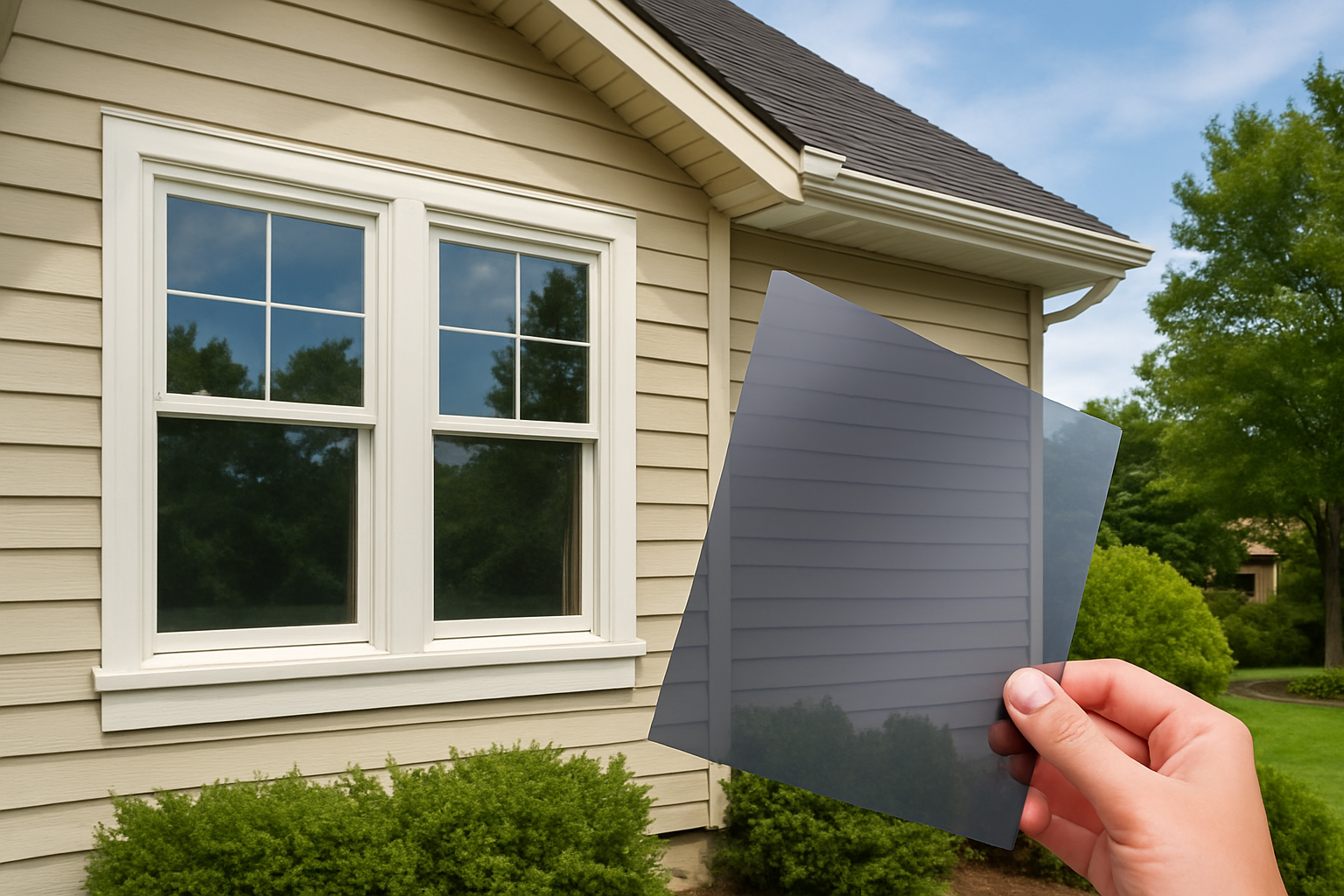
Residential window film is a thin, engineered laminate applied to your home’s glass to cut solar heat gain, block harmful ultraviolet (UV) rays, reduce glare, and add privacy or entry protection. This guide lays out how window film works, why Springfield homeowners pick certain film types, and how to balance visible light transmittance (VLT), window orientation, and style so you can choose the right product. If west-facing rooms overheat, upholstery fades from sun exposure, or screens suffer glare, the right film fixes those problems while keeping natural light and curb appeal. Below we summarize the main benefits, compare film families (including ceramic and advanced solar-control options), explain VLT and orientation choices, outline local cost expectations, and walk through a professional installation — plus practical FAQs and visualization tools to try before you book an estimate. Keep reading to see how performance ps like heat rejection and UV block translate into energy savings and long-term interior protection for Springfield homes, and how to make a cost-effective selection you’ll feel confident about.
What Are the Key Benefits of Residential Window Film for Springfield Homeowners?
Window film makes home interiors more comfortable, protects furnishings, and can lower energy use by changing how much solar radiation and visible light pass through glass. Modern films layer nanoceramic particles, reflective coatings, and adhesive backings to reject solar heat, stop UV, and control visible light transmittance (VLT). That reduces HVAC strain and slows fading of furniture and flooring. Homeowners typically notice less glare on screens, greater privacy on street-facing windows, and better thermal comfort in sun-exposed rooms — a practical retrofit for older or historic windows where replacement would be costly. The sections that follow break down UV protection, heat reduction, privacy and security, and decorative options so you can match film performance to each room’s priorities.
How Does Window Film Provide UV Protection and Health Benefits?
Window films include UV-absorbing layers in the laminate that can block up to 99% of UV-A and UV-B radiation from entering indoors. That protects skin and eyes from cumulative exposure and greatly slows fading of fabrics, carpets, and wood finishes — extending the life of interior finishes in sun-facing rooms. Manufacturer tests and recent studies show high-performance films can cut UV transmission to near zero while keeping desirable visible light levels, so spaces stay bright without the harmful radiation. Once you understand UV protection, the next obvious consideration is how film reduces solar heat for better energy performance.
Nano-Ceramic Window Films: Enhancing Energy Performance and Occupant Well-being
This study examines nano-ceramic window films as a passive way to improve energy performance and occupant wellbeing in buildings. It focuses on regulating indoor thermal, optical, and radiative conditions to support health and comfort. Simulations on a three-story, 2,000 m² building found high-performance films reduced indoor temperatures by up to 3.5°C, lowering thermal stress and core heat load. UV transmission dropped to as low as 1%, greatly reducing daily skin-damage doses below 0.2 MED/day. Selected films also maintained beneficial Equivalent Melanopic Lux (EML) levels (up to 7,500 lux), which helps circadian regulation and cognitive performance. Improved thermal comfort and daylight control further supported occupant focus and wellbeing.
In What Ways Does Window Film Reduce Heat and Improve Energy Efficiency?
Window film cuts solar heat gain by reflecting or absorbing parts of the sun’s infrared and visible spectrum before they enter your home. That lowers peak indoor temperatures and reduces air-conditioning runtime. Heat-rejection varies by film technology — dyed, metalized, or ceramic — with ceramic and advanced multi-layer films offering the best heat rejection while preserving clearer views. Fewer HVAC run-hours translate into measurable energy savings during summer, and for many homeowners the payback on film compares favorably to full window replacement once you factor installation cost and disruption. Less solar heat also reduces HVAC cycling and improves overall comfort — another reason privacy and security benefits are often considered alongside performance.
Impact of Solar Window Films on Building Energy Consumption
This research evaluates how solar window films affect building energy use by comparing glass with and without film and measuring reductions in solar transmission.
How Can Window Film Enhance Privacy and Home Security?
Privacy films change visible light transmittance and reflectivity to obscure sightlines while still allowing daylight — ideal for street-facing windows, bathrooms, and ground-floor bedrooms. Security and safety films are thicker, with high-tensile adhesives that help keep glass intact if it’s broken, slowing forced entry and reducing flying shards during accidents. Choosing between decorative privacy (frosted or patterned) and clear security films depends on whether you want visual screening or structural retention; in many cases installers recommend combining both where privacy and safety are priorities. Once privacy and security are addressed, homeowners often look at decorative options to improve style without sacrificing light.
What Aesthetic Enhancements Can Decorative Window Films Offer?
Decorative films come in etched, frosted, patterned, and tinted styles that offer design flexibility while preserving daylight—so you can update interiors without replacing glass. They can mimic sandblasted or acid-etched glass for shower enclosures, add privacy bands to entry sidelights, or create patterned accents in home offices while keeping natural illumination. When choosing decorative film, balance pattern density and VLT: denser patterns boost privacy but reduce incoming light, so designers usually pick lighter patterns for living areas and stronger patterns for bathrooms. After considering looks, the next step is comparing film categories and technical trade-offs.
What Types of Residential Window Film Are Best for Springfield Homes?
Pick a film category — ceramic, solar-control metalized, dyed, low-E, decorative, or security — based on your goals for heat rejection, UV blocking, preferred VLT, and tolerance for signal interference. Ceramic films use nanoceramic particles for strong heat rejection with minimal signal issues and excellent clarity; metalized films reflect heat well but can affect radio or Wi‑Fi signals; dyed films are budget-friendly for glare control but deliver lower heat rejection. Below is a compact comparison to help match film types to rooms like sunrooms, living spaces, and bedrooms.
Intro to film comparison table:
| Film Type | Heat Rejection | UV Block | VLT Range | Signal Interference |
|---|---|---|---|---|
| Ceramic | High | Up to 99% | 10–70% | Low |
| Solar-control (metalized/multi-layer) | High–Very High | Up to 99% | 5–60% | Medium |
| Dyed | Low–Medium | 95%+ | 20–80% | Low |
| Safety / Security | Low–Medium (not primary) | 90%+ | 10–80% | Low |
This comparison highlights that ceramic and advanced solar-control films deliver the strongest heat rejection, while dyed films offer an economical route to glare control. In practice, homeowners often pick ceramic for west- or south-facing windows, solar-control films for large glazed areas, and decorative or safety films where privacy and protection matter most.
When naming brands and quality, many reputable installers specify USA-made products like LLumar and XPEL for consistent materials and warranty support. Choosing established brands lowers long-term risk and pairs technical performance with manufacturer-backed durability. Next, we’ll cover orientation and VLT choices to fine-tune daylight and shading.
What Are the Features and Benefits of Ceramic Window Films?
Ceramic films use nanoceramic technology to reject solar heat while keeping glass clear and color-accurate—one of the best balances between performance and appearance. Being non-metallic, they avoid common signal interference with Wi‑Fi and cell reception, which makes them a good fit for connected homes. Ceramic films also resist scratching and hold up longer than dyed films that can fade under intense sun. For west- and south-facing windows where heat gain is highest and device connectivity matters, ceramic options are often the recommended choice.
How Do Solar Control Films Help with Glare and Interior Protection?
Solar-control films reduce glare by lowering visible light transmittance and redirecting harsh sunlight, improving screen visibility for TVs and computers in bright rooms. They absorb or reflect much of the infrared spectrum, protecting carpets, wood floors, and upholstery from heat-driven fading while providing strong UV block. The trade-off is that aggressive solar-control films can noticeably reduce daylight, so choose VLT according to the room’s use—living areas usually need higher VLT than media rooms. Selecting the right VLT within solar-control options balances glare reduction with pleasant daylight levels.
Visible Light Transmission vs. NIR Heat Shielding in Smart Windows
Visible-light transmittance matters for indoor lighting, but more than half of solar energy is outside the visible range and contributes to heat gain. Near-infrared (NIR) light is a major component of that heat load.
When Should You Choose Privacy or Decorative Films for Your Home?
Choose privacy or decorative film where you need visual screening without losing architectural character—bathrooms, entry sidelights, and home offices are typical examples. Decorative films add frosted, patterned, or textured finishes that diffuse light while blocking direct sightlines and can be applied to single panes or used selectively for accents. We recommend sampling VLT and pattern density first: lighter patterns work well in living spaces, while denser patterns suit street-facing or high-privacy windows. Decorative film is a low-disruption way to refresh interiors while keeping or improving natural light.
What Are Safety and Security Films and Their Advantages?
Safety and security films are thicker laminates designed to hold glass fragments together if a pane breaks, reducing injury risk and delaying forced entry by strengthening the glazed opening. Thicker films combined with mechanical attachment systems give the best resistance to impact and intrusion, making them a practical choice for ground-floor windows, patio doors, and other vulnerable openings. Security film also helps contain shards during storms or accidents and pairs well with laminated glass or robust window locks for layered protection. With film categories understood, the next step is choosing shade and VLT for each exposure.
What Factors Should You Consider When Choosing the Right Window Film Shade and VLT?
Start by assessing each window’s orientation, how you use the room, and how much change to the view you’ll accept for more privacy or heat reduction. VLT (visible light transmittance) is the share of visible light the film and glass let through: higher VLT keeps rooms brighter, while lower VLT increases privacy and glare control but darkens interiors. Also consider glass type compatibility, any existing coatings, and your home’s architectural style. Check HOA or historic-district rules before installing visibly altering films. Use the checklist below to turn VLT percentages into practical decisions, then read the orientation guidance for site-specific choices.
Decision checklist intro:
- Start with window orientation and the room’s main purpose when selecting VLT.
- Match higher VLT (60–80%) to living areas and lower VLT (10–40%) to media rooms and bathrooms.
- Confirm existing glass coatings and check HOA or municipal limits before installation.
This checklist moves you from abstract VLT numbers to clear choices; the next sections dive into orientation and local rules.
How Does Window Orientation and Sun Exposure Affect Film Choice?
Orientation determines sun exposure patterns—south and west windows get the strongest afternoon sun, east windows get morning light, and north windows provide mostly diffuse light. For west-facing rooms you’ll usually choose stronger heat-rejecting films (lower VLT and higher solar heat gain reduction) to combat late-day overheating, while north-facing windows can use higher VLT films to preserve daylight without much heat concern. Seasonal sun paths matter too; knowing peak summer angles helps prioritize which panes benefit most from aggressive solar-control films. Let orientation guide VLT and technology choices for each room.
What Is Visual Light Transmittance and How Does It Impact Appearance?
Visual Light Transmittance (VLT) is the percentage of visible light a film allows through. A film with 70% VLT preserves most daylight; one with 20% VLT will noticeably darken the interior. High-VLT films keep colors and brightness natural—important in kitchens and living rooms—while low-VLT films boost privacy and limit glare in bedrooms and media rooms. Exterior appearance also changes with VLT and reflectivity: darker films alter street-facing looks and may trigger HOA reviews. Knowing VLT ranges by room helps balance daylight, view retention, and privacy goals.
Are There Local Regulations or Restrictions for Home Window Tinting in Springfield?
Before installing visibly altering films, check homeowner association rules, historic-district guidelines, and municipal codes that can limit exterior changes or reflective finishes. Many HOAs permit interior-applied films that don’t change the house’s exterior appearance, but some historic districts require prior approval for any visible glazing change. If approvals are needed, document them and provide product specs during the review to speed compliance. Verifying regulations protects your investment and keeps your project aligned with local standards before installation.
How Much Does Residential Window Tinting Cost in Springfield, MA?
Pricing depends on film technology, window size and quantity, installation complexity, and site access; knowing the main cost drivers helps set realistic expectations before you request a quote. Key price factors include film grade (ceramic and multi-layer films cost more), the number and size of windows, whether doors or skylights are included, and any trim or frame work needed for a tidy finish. Below is a short cost-factor table that clarifies typical variables and their effects so homeowners can prepare for an accurate estimate.
Intro to cost factors table:
| Cost Factor | Typical Range / Effect | Example Impact |
|---|---|---|
| Film type / grade | Low–High (dyed < metalized < ceramic) | Higher-grade films increase per-sq-ft cost |
| Window size & count | Small–Large | Large panes reduce unit labor per sq ft |
| Installation complexity | Low–High | Skylights and multi-pane doors increase labor |
Choosing a higher-performance film raises the upfront cost but can improve energy savings and longevity. For a precise quote and scheduling, contact Glass Tint USA to review your windows and deliver a tailored estimate based on your home and goals.
What Factors Influence the Price of Home Window Film Installation?
Main cost drivers are film selection, total square footage, window accessibility, edge finishing, and whether existing films or treatments must be removed. Labor increases for two-story access, irregularly shaped panes, or windows needing field trimming, while bulk projects and multi-window packages often lower the per-window rate. To save costs, group installations by exposure or room and prepare work areas ahead of time to minimize installer time. Knowing these factors helps you budget and decide whether to phase work across seasons.
What Is the Average Cost per Square Foot for Residential Window Tinting?
Per-square-foot costs vary by film grade—dyed films are usually at the low end, metalized and low-E in the middle, and ceramic at the top—so expect a range instead of a single price. Local market rates and job complexity also affect the p, so the most reliable approach is an on-site assessment and quote listing film grade, warranty, and projected performance; installers with trusted brand partnerships can also explain lifecycle value. For an exact estimate and scheduling in Springfield, MA, Glass Tint USA will review your windows and prepare a personalized quote.
How Does Window Film Installation Compare to Window Replacement in Cost-Effectiveness?
Window film typically costs far less than full window replacement while delivering many of the same benefits—reduced heat gain, UV protection, and improved comfort—making film a strong retrofit option for many homes. Replacement upgrades glass and frames but usually includes higher disruption, longer payback, and bigger upfront expense; film installation is less invasive and often produces faster energy-savings ROI. Film is especially attractive for historic windows or budget-limited projects, while replacement makes sense when windows are failing structurally. Many homeowners start with film as a cost-effective first step before committing to replacement.
What Is the Residential Window Film Installation Process with Glass Tint USA?
Professional installation starts with an on-site assessment to confirm glass type, measure openings, and finalize film selection and warranty terms. Installers schedule the job and explain day-of logistics so you know what to expect. Glass Tint USA partners with certified installers, uses USA-made films (including LLumar and XPEL), and offers a Residential Film Viewer so you can preview options before booking; they also back workmanship with a lifetime guarantee. Installation includes careful surface prep, precision cutting and fitting of film to each pane, and a curing period during which the film bonds and temporary visual artifacts fade. Below are homeowner prep steps and what to expect during and after installation, plus company-specific benefits.
How Should Homeowners Prepare for Professional Window Film Installation?
Clear window sills and remove light treatments, plants, and fragile decor so installers have unobstructed access and can work efficiently. Secure pets and plan for brief room closures while installers work and films cure; if blinds must stay in place, installers will advise whether partial removal helps. Make sure exterior access is available where needed and provide a contact for scheduling details. These simple preparations shorten installation time and reduce the chance of extra charges.
What Can You Expect During and After the Installation?
Technicians clean glass thoroughly, apply film precisely, and trim to the frame for a seamless finish. Typical single-family home jobs often finish in one to two days depending on scope. Right after application you may see temporary water lines or tiny bubbles that clear as adhesives cure over several days to a few weeks. Aftercare includes gentle cleaning after the curing period (installers will confirm timing) and routine maintenance with non‑abrasive cleaners to protect optical clarity and warranty coverage. A clear timeline and aftercare guidance help you plan occupancy and follow-up.
What Are the Benefits of Choosing Glass Tint USA for Your Home Window Tinting?
Glass Tint USA is an established window tinting provider known for professional installers, a lifetime workmanship guarantee, and the use of USA-made films like LLumar and XPEL that offer manufacturer-backed durability. They provide a Residential Film Viewer to preview options, and their process focuses on accurate measurement, clean preparation, and careful curing to deliver consistent results. Those service elements—experienced installers, trusted film brands, interactive tools, and workmanship assurance—make it easier to choose and complete a project with confidence.
While this guide targets residential needs, Glass Tint USA also provides commercial window tinting for businesses that need energy savings, security, or visual upgrades tailored to commercial properties.
For vehicle owners, their automotive services deliver professional car window tinting for UV protection, glare reduction, and added privacy on the road.
What Are the Most Common Questions About Choosing Home Window Film in Springfield, MA?
Homeowners often ask about shade choice, lifespan and warranty, fading protection, and how to schedule estimates or use preview tools. Below are straightforward answers to common concerns, followed by steps to preview films and request an estimate so you can move from research to a tailored recommendation.
How Do I Choose the Right Window Film Shade for My Home?
Start by listing the room’s main use—living rooms usually benefit from higher VLT for daylight, while media rooms need lower VLT for better screen contrast. Then factor in orientation, view preservation, and privacy needs. Try a mid-range VLT sample in living areas and a stronger heat-rejecting option for west-facing windows, and tweak pattern or reflectivity for street-facing facades to balance curb appeal. Use small test panels or the film visualizer in real lighting before committing to whole-house installation to reduce guesswork.
How Long Does Residential Window Film Last and What Is the Warranty?
Film lifespan depends on material quality, UV exposure, and installation. Many high-quality films last a decade or longer when installed and maintained properly; manufacturer and installer warranties reflect this range. Glass Tint USA offers a lifetime guarantee on workmanship and fits USA-made films that carry manufacturer warranties, giving bundled protection for both materials and labor. Regular cleaning with non‑abrasive products extends life, and warranty claims usually require documented installation records and basic maintenance compliance.
Can Window Film Help Reduce Fading of Furniture and Flooring?
Yes. High-quality window films block a large share of UVA and UVB radiation—the main causes of fabric and finish fading—and can significantly slow fading when applied to sun-exposed panes. Films that cut up to 99% of UV are most effective at protecting hardwood floors, fine fabrics, and artwork; combining UV cutoff with solar heat rejection offers the best overall preservation. Ceramic and advanced solar-control films are commonly recommended because they pair strong UV protection with minimal visual distortion.
How Do I Schedule a Free Estimate or Use the Residential Film Viewer Tool?
To schedule an estimate or preview film choices, gather window counts, approximate sizes, and notes about room priorities (heat, glare, privacy) so installers can offer useful comparisons. Use visualization tools to see how films change appearance and daylight in representative images, then request an on-site review to finalize performance needs and get a tailored quote. During the quote, ask for documentation on film brand, performance metrics (VLT, UV block, heat rejection), and warranty details so you can compare options objectively. These steps move you from planning to selecting and installing the right film for your Springfield home.
Frequently Asked Questions
What is the lifespan of residential window film?
Lifespan varies with film quality, installation, and exposure. High-quality films properly installed and maintained commonly last 10–20 years. Manufacturer warranties typically reflect that durability, often ranging from 5 to 15 years. Gentle cleaning and avoiding abrasive tools extend film life. Check with your installer for recommendations tied to the specific film you choose.
Can window film improve indoor comfort during extreme weather?
Yes. Solar-control films reflect or absorb heat in summer to keep interiors cooler and reduce air-conditioning demand. In winter, low-E films help retain heat. That seasonal performance improves comfort and contributes to year-round energy savings. Pick films tailored to Springfield’s climate and your home’s exposure for the best results.
How do I maintain my window film after installation?
Wait at least 30 days after installation before cleaning to let the adhesive cure. After that, wipe film with a soft cloth or sponge and a mild, non‑abrasive cleaner. Avoid ammonia-based products, which can damage film. Regular, gentle maintenance keeps the film looking and performing its best.
Are there any health benefits associated with window film?
Yes. By blocking up to 99% of harmful UV rays, window film reduces indoor UV exposure that contributes to skin damage and eye irritation. Reducing glare also improves visual comfort for reading, working, or watching screens. Together these benefits support a healthier indoor environment, especially in homes with large sun-facing windows.
What should I consider when choosing a window film installer?
Look for experience, strong reviews, and the quality of films used. Choose certified installers with a track record of successful projects and clear warranty offerings for both materials and labor. A good installer will provide a thorough consultation, answer technical questions, and help you select the right film for your needs.
Can window film be removed or replaced easily?
Yes. Film can be removed or replaced, though ease depends on film type and how long it’s been in place. Professional installers use tools and techniques to remove film without damaging glass. For replacements, professional removal ensures a clean surface for the new application and helps preserve appearance and performance.
Conclusion
Choosing the right residential window film can noticeably improve your home’s comfort, energy efficiency, and appearance. By blocking UV rays and reducing heat gain, modern films protect interiors while keeping natural light. Springfield homeowners can choose from a range of options to meet their priorities—whether that’s glare control, privacy, or long-term durability. Explore our product options and use the Residential Film Viewer to find the solution that fits your home.