

Can PPF Be Installed Over Repainted or Repaired Body Panels?
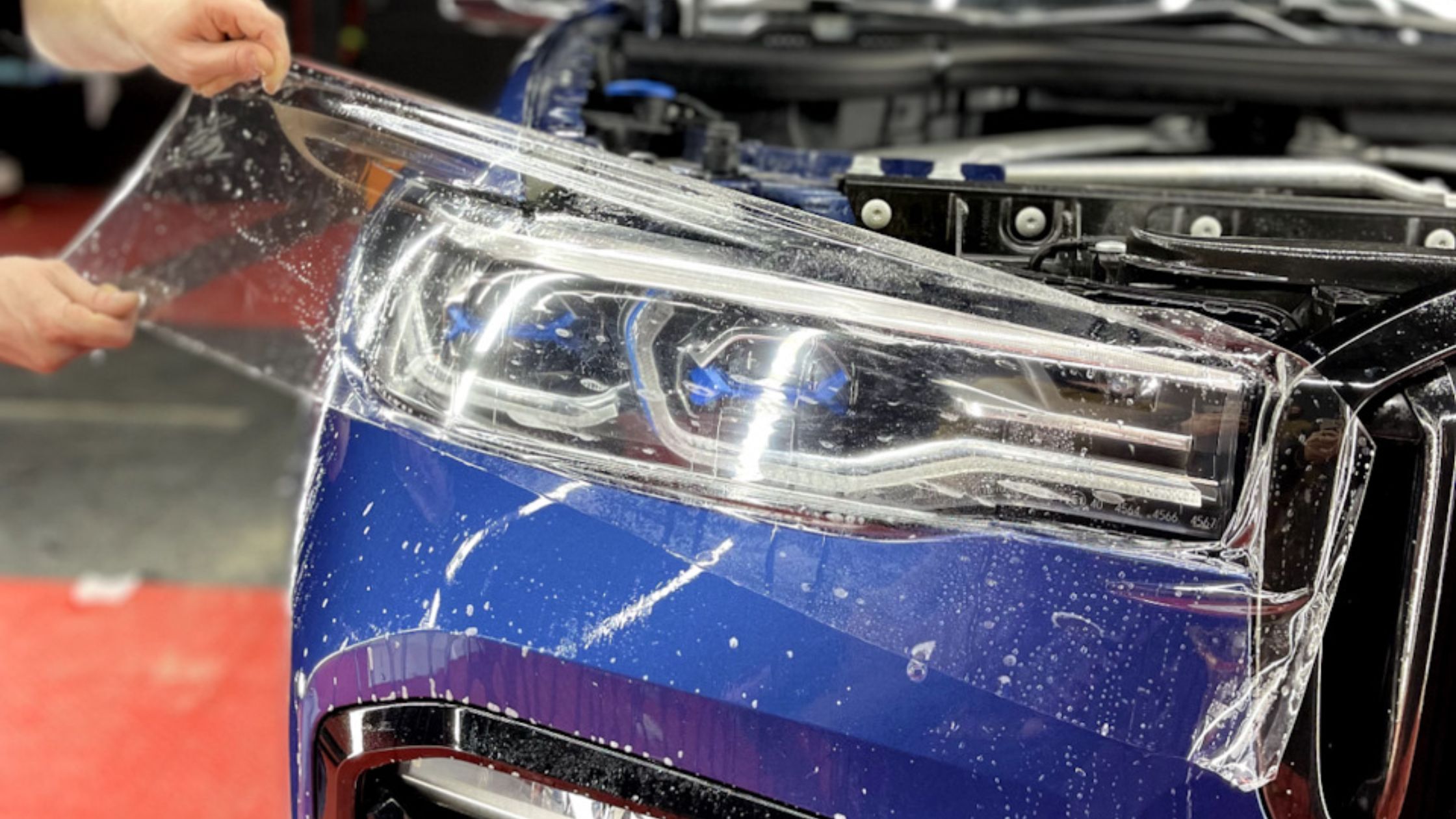
Yes, PPF can often be installed over a repainted or repaired body panel, but the paint must be fully cured, properly bonded, smooth, and stable before an adhesive film is applied. For drivers considering Paint protection film can protect a refinished panel, but a repaint requires more evaluation than sound factory paint because the quality and curing of previous bodywork can vary.
The important question is not simply whether PPF will stick to repainted paint. The installer also needs to consider whether the underlying finish is strong enough to support the film during installation and eventual removal.
Can PPF in Springfield MO Be Installed Over Repainted Panels?
Yes, PPF in Springfield MO may be installed over a professionally refinished panel when the new paint has completely cured and the surface is stable enough for film installation.
A repaint should generally be:
- Fully cured
- Properly bonded
- Smooth
- Free from peeling
- Free from blistering
- Free from exposed primer
- Free from unstable clear coat
- Properly cleaned before installation
A panel can look dry while the paint system beneath the surface is still curing.
That is why appearance alone should not determine whether a freshly painted vehicle is ready for PPF.
Why Must Repainted Automotive Paint Cure Before PPF Installation?
Fresh automotive paint needs time to complete its curing process. Refinish systems can continue releasing solvents after the vehicle leaves the body shop. This process is often referred to as outgassing.
Covering a panel too soon may create avoidable problems.
Depending on the paint system and condition, premature installation can contribute to:
- Adhesion problems
- Trapped gases
- Bubbling
- Cloudiness
- Edge lifting
- Complications during future removal
The correct curing time is not identical for every repaint.
Paint chemistry, application method, temperature, booth conditions, clear coat type, and repair process can all affect curing.
How Long Should You Wait After Repainting Before Installing PPF?
There is no single waiting period that applies to every repainted vehicle. The safest approach is to follow the curing guidance provided by the body shop or manufacturer of the refinishing system.
Some paint systems cure faster than others.
Instead of assuming that every repaired vehicle is ready after a specific number of days, confirm:
- What paint system was used
- When the panel was painted
- Whether it was baked or air cured
- What the body shop recommends
- Whether the clear coat has fully cured
An installer should not override the paint manufacturer's curing requirements simply to install the film sooner.
Why Are Repainted Panels Different From Factory Paint?
Factory paint is applied under highly controlled manufacturing conditions.
Automakers control:
- Surface preparation
- Primer application
- Paint thickness
- Temperature
- Curing
- Clear coat application
- Environmental conditions
Body shop refinishing can still produce excellent results, but the process is not identical to original factory finishing.
Variables may include:
- Repair materials
- Surface preparation
- Technician technique
- Paint products
- Blending
- Previous damage
- Curing conditions
Because of these differences, refinished panels require more careful assessment before an adhesive-backed film is installed.
What Paint Defects Should Be Fixed Before PPF Is Installed?
Visible or structural paint defects should be addressed before PPF installation.
Clear film will not hide most imperfections underneath it.
Potential concerns include:
- Dust nibs
- Sanding marks
- Unstable paint
- Peeling clear coat
- Craters
- Fisheyes
- Exposed primer
- Chips
- Deep scratches
- Poor blend lines
- Severe orange peel
- Blisters
The smoother and more stable the surface is, the better the finished film installation can look.
Can PPF Hide Imperfections in Repainted Panels?
No. Clear PPF generally follows the appearance of the surface underneath it.
It may add a uniform protective layer, but it should not be expected to hide:
- Poor sanding
- Paint texture problems
- Deep scratches
- Dust trapped in the clear coat
- Chips
- Visible repair defects
- Poor color matching
In some lighting, transparent film can make underlying defects easier to notice because the viewer is examining the protected surface closely.
Paint quality should therefore be corrected before installation whenever possible.
Can PPF Be Installed Over Body Filler?
PPF should be applied over a finished painted surface rather than directly over exposed body filler.
Body filler is part of the repair process underneath the paint system.
Before film is installed, the repaired area should have the complete appropriate finish, which may include:
- Primer
- Base coat
- Clear coat
- Proper curing
Film adhesion depends on the finished surface presented to it.
Exposed repair materials are not a substitute for stable automotive paint.
Can PPF Be Installed Over a Repaired Bumper?
Yes, a repaired and repainted bumper may be suitable for PPF once the repair is complete and the finish has properly cured.
Bumpers deserve particular attention because they are often:
- Repaired after impacts
- Repainted more frequently than other panels
- Made from flexible materials
- Located in high-impact areas
- Covered extensively during front-end PPF installations
The installer should know about previous repairs before beginning work.
If a bumper has undergone significant refinishing, the condition of that paint may influence both installation and future removal.
Can PPF Be Installed After Collision Repair?
Yes, PPF installation after body repair is possible when all repaired panels are finished, cured, and stable.
After collision repair, confirm whether any of the following were repainted:
- Hood
- Fenders
- Bumper
- Doors
- Quarter panels
- Rocker panels
- Mirrors
- Roof sections
Even if the damage occurred in one area, surrounding panels may have been blended to create a consistent color match.
Those blended areas should also be disclosed to the PPF installer.
Why Should You Tell the Installer About Previous Body Repairs?
The installer needs an accurate paint history to assess installation and future removal risk.
A repaired panel may look nearly identical to factory paint from the outside.
Knowing that it has been refinished allows the installer to pay closer attention to:
- Paint edges
- Clear coat condition
- Repair transitions
- Surface defects
- Adhesion concerns
- Areas where film may later be removed
Hiding a repaint history does not make the underlying paint behave like factory paint.
Accurate information helps set realistic expectations before installation.
Can PPF Damage Fresh Repainted Paint?
The greater concern is not that properly installed film chemically attacks paint. The concern is whether the repaint was ready for an adhesive film in the first place.
If paint has not fully cured or does not have strong adhesion between layers, installation and eventual removal can expose those weaknesses.
Possible complications include:
- Paint lifting during repositioning
- Adhesion inconsistency
- Trapped outgassing
- Film lifting
- Paint separation during later removal
Waiting until the paint system is ready reduces unnecessary risk.
Can Removing PPF Pull Paint From a Repainted Panel?
It can happen if the refinished paint has weak adhesion.
A properly cured, professionally repaired panel may perform well under PPF for years. However, aftermarket paint can be less predictable than factory paint.
Risk can be influenced by:
- Surface preparation before repainting
- Primer adhesion
- Clear coat adhesion
- Repair quality
- Film age
- Removal technique
- Existing defects
This is why a successful PPF installation today cannot guarantee that every repainted surface will behave exactly like OEM paint when the film is removed years later.
Can PPF Be Installed Over Touch-Up Paint?
Small touch-up areas need to be evaluated individually.
Touch-up paint differs from a complete professionally refinished panel. It may have:
- Different texture
- Raised edges
- Different hardness
- Uneven thickness
- Limited adhesion
A small chip repair may be acceptable after proper curing, while a poorly bonded touch-up may create a visible imperfection under the film.
The repaired area should be smooth and stable before installation.
Should Paint Correction Be Done Before PPF on a Repainted Panel?
Any correctable surface defects that would remain visible under transparent film should be addressed before PPF is installed.
This does not mean every repaint requires aggressive machine polishing.
The correct preparation depends on the paint.
Potential issues to address include:
- Light haze
- Fine sanding marks
- Minor swirl marks
- Polishing residue
- Surface contamination
Fresh paint must also be treated carefully because not every refinished surface should be polished immediately.
Body-shop guidance should take priority where fresh paint is involved.
Why Must Wax and Surface Residue Be Removed Before Installation?
PPF adhesive needs a properly prepared painted surface.
Wax, polishing oils, sealants, silicone, and other residues can interfere with consistent adhesive contact.
Before installation, the surface generally needs to be:
- Clean
- Smooth
- Dry
- Free from loose contamination
- Free from interfering residue
Surface preparation is particularly important around edges where a weak adhesive bond can contribute to lifting.
Does Repainted Paint Affect PPF Appearance?
It can.
Because the film is clear, variations in the paint underneath remain visible.
A repainted panel may have:
- Different gloss
- Different texture
- Slight color variation
- More orange peel
- Visible blend areas
PPF protects the finish that is already there.
It does not make mismatched paint suddenly identical to adjacent factory panels.
Is Full-Panel PPF Better Than Partial Coverage on Repainted Paint?
The right coverage depends on the vehicle and the condition of the panel rather than whether it was repainted alone.
Full-panel coverage can reduce visible film lines across the middle of a panel, but the entire surface still needs to be suitable for installation.
A vehicle owner should consider:
- Which areas face impact exposure
- Condition of each repaired panel
- Paint cure status
- Desired coverage
- Appearance expectations
For PPF in Springfield MO, inspecting repaired areas before deciding on coverage can prevent avoidable installation issues later.
What Should You Ask the Body Shop Before PPF Installation?
Before protecting a recently repaired vehicle, ask the body shop:
- What paint system was used?
- When was the panel painted?
- Has the paint fully cured?
- When can adhesive film safely be applied?
- Which panels were repainted?
- Were adjacent panels blended?
- Were any panels repaired previously?
- Is there anything the PPF installer should know?
Keep this information available when discussing installation.
FAQs About PPF on Repainted Panels
Can PPF be applied to a freshly painted car?
Not immediately in every case. The paint should be allowed to cure according to the refinishing system and body shop recommendations before PPF is installed.
Will PPF stick to aftermarket paint?
It may adhere successfully to properly prepared and fully cured aftermarket paint, but the quality and stability of the repaint need to be evaluated first.
Does PPF protect repainted panels from rock chips?
Yes, once properly installed, PPF can provide a physical protective layer over suitable repainted surfaces just as it does over other painted panels.
Can PPF be removed safely from a repainted panel?
It can often be removed successfully, but repainted panels may carry a higher risk of paint lifting if the underlying finish has weak adhesion.
Should I tell my PPF installer that the vehicle was repaired?
Yes. Disclosing repainting and collision repairs helps the installer assess the surface correctly and explain any additional considerations before installation.
Make Sure Repaired Paint Is Ready Before Adding PPF
Repainted and repaired body panels can often be protected successfully, but they require more evaluation than stable factory paint. Full curing, strong paint adhesion, a smooth finish, and clear communication about previous bodywork are essential before film is applied.
For drivers considering PPF in Springfield MO, Glass Tint USA installs XPEL paint protection film on suitable painted vehicle surfaces and can evaluate coverage options for your vehicle. Its 4.9 Star Google rating provides an additional trust signal for Springfield drivers comparing automotive protection providers. If your vehicle has recently been repaired or repainted, contact us and provide the repair history before scheduling installation.