

Can Paint Protection Film Be Removed Without Damaging Car Paint?
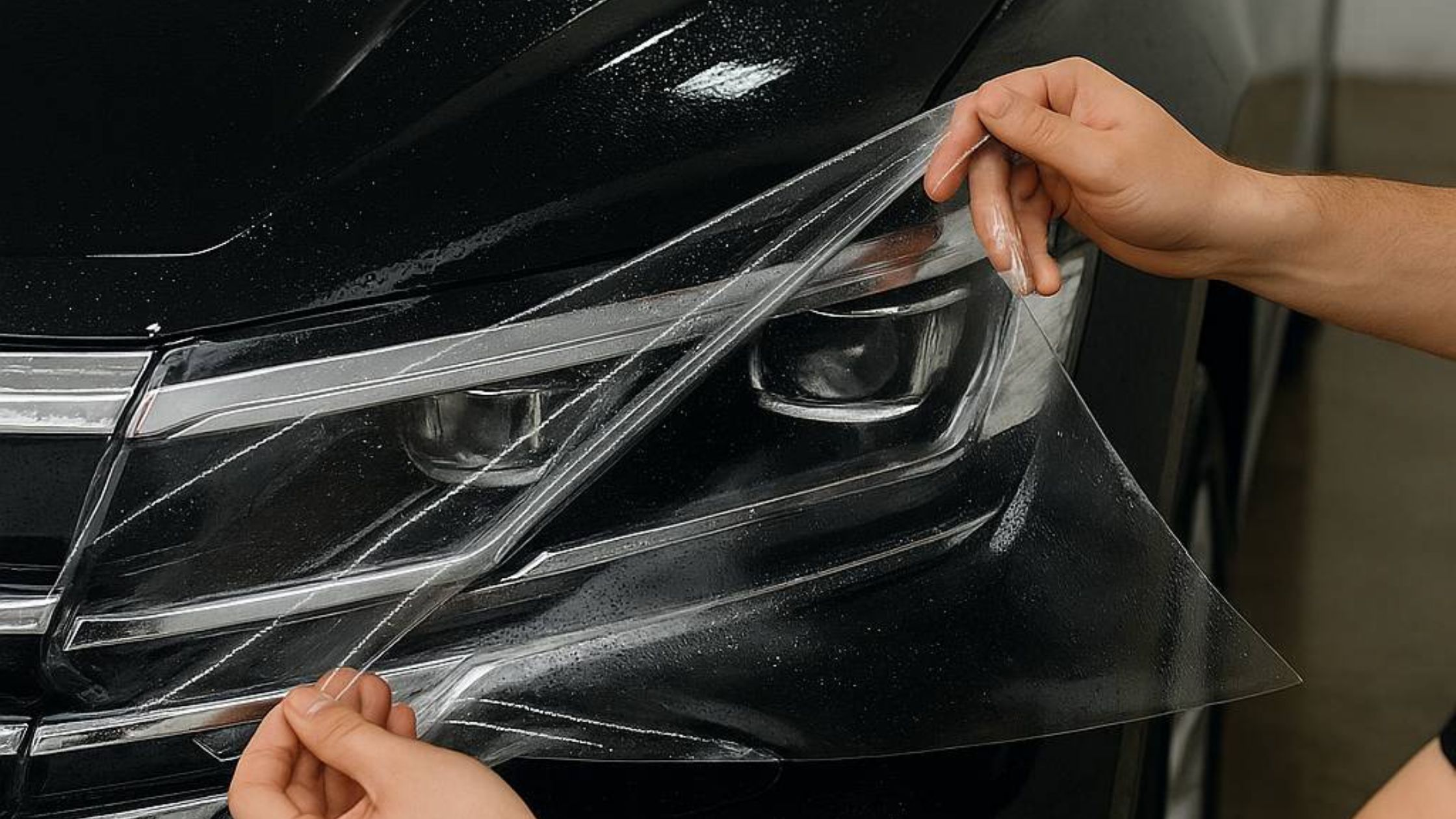
Yes, paint protection film can usually be removed without damaging healthy automotive paint when the film is in reasonable condition, the underlying paint is well bonded, and proper removal techniques are used. For drivers with PPF in Springfield MO, professionally installed Paint protection film is designed to provide a removable protective layer over the vehicle's finish rather than permanently bond with the paint.
The condition of the paint matters just as much as the condition of the film. Factory paint that is intact and properly bonded generally presents less removal risk than a panel that has been repainted, repaired, or already has a failing clear coat.
Can PPF Be Removed Without Damaging Factory Paint?
Yes, PPF can generally be removed from healthy factory paint without causing damage when the film is warmed and peeled using controlled techniques.
Paint protection film uses a pressure-sensitive adhesive to remain attached to the clear coat. It does not become part of the automotive paint system itself.
During removal, the goal is to gradually release that adhesive rather than pull the film away forcefully.
Several factors influence how smoothly the film comes off:
- Age of the PPF
- Condition of the film
- Condition of the clear coat
- Whether the panel has factory or aftermarket paint
- Amount of heat used
- Removal angle
- Previous body repairs
- Length of time the film has been installed
A professional inspection before removal helps identify situations where additional caution may be necessary.
How Is Paint Protection Film Removed Safely?
PPF is usually removed by warming the film and gradually peeling it back at a controlled angle. The process should be deliberate rather than rushed.
A typical removal process involves:
- Inspecting the film and underlying panel history
- Warming a manageable section of film
- Lifting an accessible edge
- Pulling the film back slowly at a shallow angle
- Continuing to warm the area as necessary
- Removing remaining adhesive with a paint-safe method
- Inspecting the exposed paint
The objective is to reduce unnecessary stress on the clear coat.
Pulling cold film rapidly away from the surface can place more force on the paint than a slower, controlled removal process.
Why Is Heat Used During PPF Removal?
Controlled heat helps soften the adhesive and makes the film more flexible. PPF that has been installed for years can become less pliable than newer film. Warming the material makes it easier to bend and peel without repeatedly tearing into small pieces.
However, more heat is not always better.
Excessive temperatures can create unnecessary risk for:
- Automotive paint
- Plastic trim
- Headlights
- Rubber seals
- Adjacent materials
The surface only needs enough controlled warmth to help the adhesive release.
Does PPF Leave Adhesive Behind After Removal?
Some adhesive residue can remain after PPF removal, particularly when the film is older or has experienced significant environmental exposure. Adhesive residue does not automatically mean the paint has been damaged. Remaining adhesive can usually be addressed separately with appropriate paint-safe products and careful cleaning methods.
A technician should avoid aggressive scraping or harsh chemicals simply to speed up this stage. Removing residue safely may take additional time, but protecting the clear coat is more important than rushing the process.
Can Old Paint Protection Film Be Harder to Remove?
Yes. Older PPF may be more difficult to remove because the film and adhesive can change after years of heat, sunlight, weather exposure, and normal aging.
Instead of releasing as one flexible sheet, aged film may:
- Become brittle
- Tear repeatedly
- Separate into smaller sections
- Leave additional adhesive residue
- Require more controlled warming
- Take longer to remove
The appearance of the film before removal can provide useful clues.
Film that is heavily cracked, unusually brittle, badly discolored, or physically deteriorated should generally be approached more cautiously than film that remains flexible and intact.
Can Removing PPF Damage Repainted Body Panels?
Yes, repainted panels can carry greater removal risk than properly bonded factory paint.
A repaint depends on the quality of the previous bodywork, surface preparation, primer, base coat, clear coat, curing process, and adhesion between each layer.
If a repainted surface has weak adhesion, removing an adhesive-backed film may expose that weakness.
Potential problems include:
- Paint lifting
- Clear coat separation
- Peeling around repaired areas
- Failure near panel edges
- Previous repair defects becoming visible
This does not mean PPF cannot be safely removed from every repainted panel.
It means the history and condition of the repaint should be considered before removal begins.
Why Does Paint History Matter Before PPF Removal?
Paint history helps determine how predictable the surface may be.
Factory automotive finishes are applied under controlled manufacturing conditions. Refinished panels can vary considerably depending on how and where the repair was completed.
Before removing film, it is useful to know whether the panel has:
- Been repainted
- Received collision repair
- Had clear coat repairs
- Been blended with surrounding panels
- Developed previous peeling
- Shown signs of poor adhesion
Sometimes the vehicle owner may not know that a panel was repaired before they purchased the car.
Differences in paint texture, color matching, finish thickness, or previous bodywork may indicate that additional evaluation is appropriate.
Can PPF Removal Damage Failing Clear Coat?
Yes. A clear coat that is already peeling, cracking, flaking, or poorly bonded may be vulnerable during film removal.
PPF cannot restore the bond between failing layers of automotive paint.
If the clear coat is already compromised, adhesive force from the film may reveal or worsen the existing failure.
Warning signs include:
- Clear coat peeling at edges
- Flaking paint
- Blistering
- Previous paint lifting
- Cracks in the finish
- Visible delamination
These issues should be identified before removal whenever possible.
Should PPF Be Pulled Straight Away From the Paint?
No. Pulling film directly upward can place unnecessary stress on the painted surface.
A lower removal angle allows the adhesive to release more gradually.
The film is generally peeled back along the panel rather than aggressively pulled outward from it.
This controlled approach becomes especially important around:
- Panel edges
- Body lines
- Repainted areas
- Bumpers
- Curved surfaces
- Areas with previous repairs
Technique can make a significant difference in how much force reaches the underlying paint.
Can Removing PPF Reveal a Difference in Paint Appearance?
Yes. Protected and unprotected areas can sometimes look slightly different after several years.
PPF shields covered paint from many environmental and physical contaminants. Adjacent uncovered areas remain directly exposed to weather, road contamination, washing, minor abrasion, and normal aging.
After removal, you may notice differences caused by:
- Swirl marks on uncovered areas
- Road wear
- Oxidation
- Surface contamination
- Previous polishing
- Different levels of paint exposure
This does not necessarily mean the PPF changed the paint.
In many cases, the difference comes from the covered paint having experienced less direct wear.
Will Removing PPF Remove Rock Chips or Scratches?
No. PPF removal does not repair paint defects that already existed underneath the film.
If a rock chip, scratch, or paint defect existed before the film was installed, it may still be visible when the PPF is removed.
Likewise, damage that penetrated through the film and reached the paint may remain.
PPF is designed to reduce the risk of certain types of damage. It is not a repair material for defects already present in the finish.
When Should Paint Protection Film Be Replaced Instead of Left on the Car?
Replacement may be worth considering when the film has deteriorated enough that it no longer looks or performs as intended.
Possible signs include:
- Significant lifting
- Large tears
- Deep impact damage
- Severe contamination
- Extensive cracking
- Film that has become noticeably brittle
- Damage that cannot be corrected through normal care
Minor surface marks are different from major film deterioration.
Modern self-healing PPF may recover from certain light scratches, while physical tears or severely aged film may require replacement.
Is Professional PPF Removal Better Than DIY Removal?
Professional removal is particularly useful when the film is old, the paint history is uncertain, or the vehicle contains repaired panels.
A simple piece of flexible film on healthy factory paint may appear straightforward to remove, but complications can develop when:
- The film tears constantly
- Adhesive remains behind
- A panel has been repainted
- The clear coat looks questionable
- Film wraps around difficult edges
- The material has become brittle
- Multiple panels require removal
A technician can adjust the process based on how the film and paint respond.
For PPF in Springfield MO, this type of evaluation is especially useful when the owner does not know the vehicle's complete body repair history.
What Should Be Checked After PPF Is Removed?
The exposed paint should be inspected once the film and remaining adhesive have been removed.
Check for:
- Adhesive residue
- Existing rock chips
- Scratches
- Paint imperfections
- Repaint defects
- Clear coat condition
- Areas that may need cleaning or correction
This inspection also helps determine whether replacement film can be installed immediately or whether the paint requires attention first.
Can New PPF Be Installed After Old Film Is Removed?
Yes, new PPF can often be installed after old film is removed, provided the underlying paint is stable and properly prepared.
Before installation, the panel should be clean and free of:
- Adhesive residue
- Wax
- Sealants
- Oils
- Loose contamination
- Unstable paint
If removal reveals damaged or failing paint, those issues should be addressed before another adhesive film is applied.
FAQs About Removing Paint Protection Film
Does PPF peel off car paint when removed?
Properly removed PPF generally should not pull healthy factory paint away from the vehicle. Repainted, poorly bonded, or already failing paint can carry a higher risk.
Can I remove PPF without using heat?
Some newer film may release without much warming, but controlled heat can make removal easier and reduce unnecessary pulling force, particularly with older film.
Will adhesive remain after removing PPF?
Some adhesive may remain, especially with aged film. It can usually be removed separately using appropriate paint-safe methods.
Can old PPF damage paint during removal?
Old film itself does not automatically damage the paint, but brittle film, aged adhesive, weak repaint work, and poor removal techniques can increase the risk.
Should PPF be removed from a repainted car professionally?
Professional removal is advisable when the paint history is uncertain or panels have been repaired because refinished surfaces may behave differently from original factory paint.
Remove PPF Carefully to Protect the Finish Underneath
Paint protection film is designed to protect automotive finishes while remaining removable, but safe removal depends on paint condition, film age, and proper technique. Healthy factory paint generally presents fewer concerns, while repainted or deteriorating surfaces deserve additional inspection.
For drivers with PPF in Springfield MO, Glass Tint USA installs removable XPEL ULTIMATE paint protection film and offers professional automotive protection services from its Springfield locations. Its 4.9 Star Google rating provides an additional trust signal for vehicle owners researching local installers. If an existing film needs evaluation or you are considering replacement protection, contact us to discuss the condition of your vehicle.