

How Long Does Paint Protection Film Installation Take in Springfield, MO?
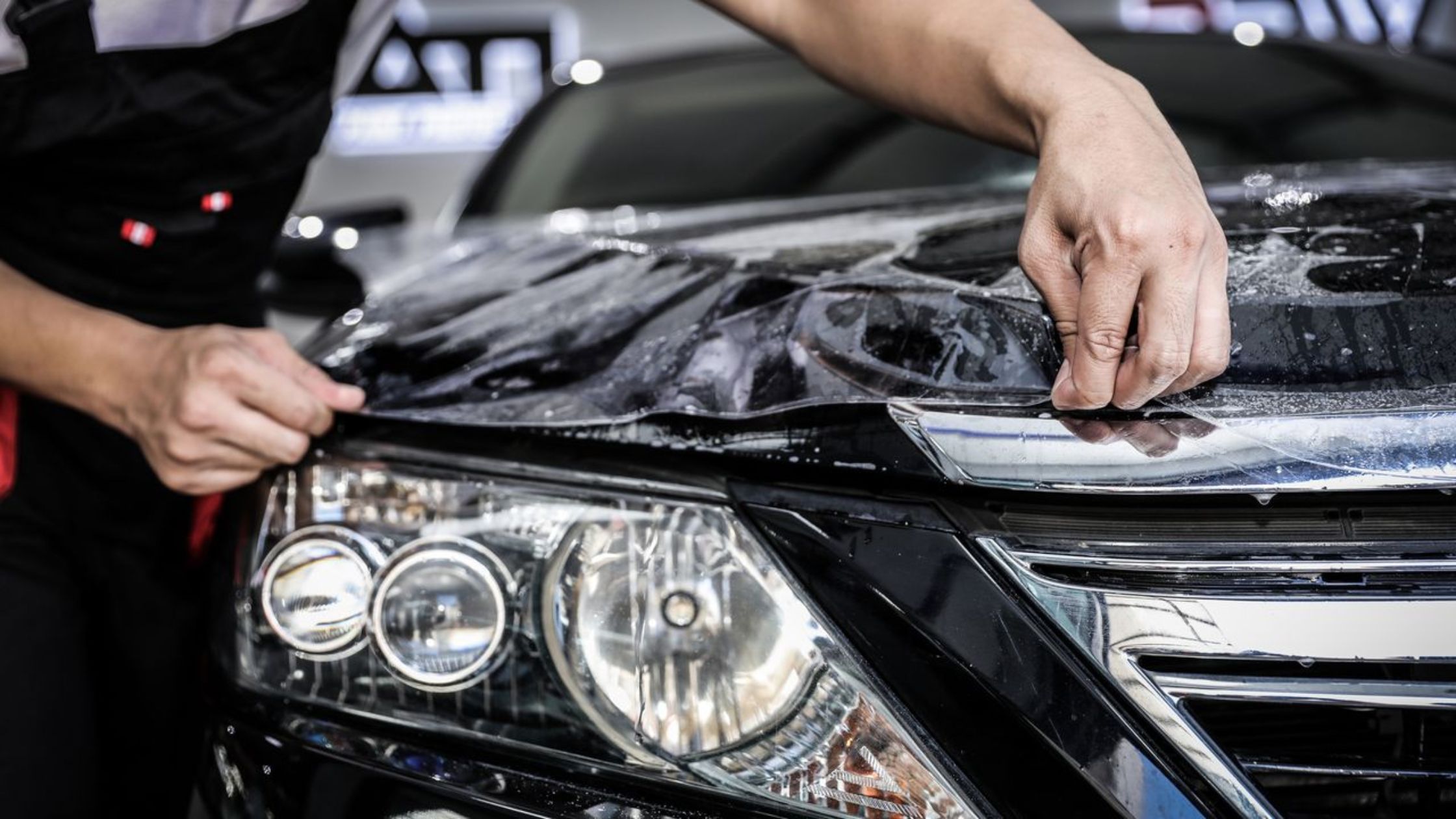
Understanding the timeline for a professional protective film application is essential for busy Springfield residents who rely on their vehicles for daily commutes. Generally, a high-quality installation takes between one and five business days, depending on the complexity of the vehicle and the coverage area selected. For local drivers navigating the heavy traffic on Sunshine Street or commuting from Nixa and Ozark, this downtime is a small trade-off for years of defense against road debris. By investing in PPF in Springfield MO, you ensure that your vehicle is shielded from the constant threat of rock chips and environmental damage common throughout the Ozarks.
How long should I expect my car to be in the shop for PPF?
A standard "Full Front" installation typically requires two to three business days to complete correctly. This timeline allows for a thorough multi-stage cleaning process, precision fitting of the film, and a critical drying period to ensure the adhesive bonds perfectly with your paint. While some shops might offer "same-day" services, rushing the process often leads to edge lifting or silvering, especially given the high humidity levels we experience in Southwest Missouri during the summer months.
The complexity of your car's body lines also plays a significant role in the PPF installation time Springfield MO residents should anticipate. A vehicle with sharp angles and complex intakes, such as those often seen at local events like Cars and Coffee at the Battlefield Mall, requires more intricate labor than a vehicle with flatter panels. Proper installation involves wrapping the edges of the film around the panels for a seamless look, a technique that takes extra time but provides superior protection and aesthetics. If you are curious about the specific timeline for your make and model, you should contact us to get a personalized estimate based on your vehicle's unique geometry.
What steps are involved in the professional installation process?
- Decontamination Wash: This first step involves removing all surface dirt, iron deposits, and old waxes that could interfere with the film's adhesion.
- Clay Bar Treatment: Technicians use a specialized clay bar to pull microscopic contaminants out of the paint's pores, ensuring a glass-smooth surface.
- Paint Correction: Any existing scratches or swirl marks are polished out, as the film will preserve the current state of the paint indefinitely.
- Precision Plotting: Using computer-controlled software, the film is cut to the exact dimensions of your vehicle's specific year and trim level.
- Application: The film is applied using a specialized slip solution, allowing the installer to position the material perfectly before squeegeeing out the moisture.
- Edge Wrapping: Where possible, edges are tucked behind panels to hide the transition between the filmed and unfilmed areas.
- Quality Inspection: A final check is performed after the film has had time to "set" to ensure there are no air bubbles or imperfections.
Why does the prep work take so much time?
Preparation is the most critical phase of the installation and often takes up nearly half of the total time your vehicle is in the shop. If the paint is not perfectly clean, the film will trap dirt particles, creating visible bumps that compromise the "invisible" look of a paint protection film. Professionals in the downtown Springfield business district spend hours ensuring that every nook and cranny, from the grille to the wheel wells, is free of road grime and oils.
Furthermore, most vehicles require a light stage of paint correction even if they are brand new from the dealership. Transporting cars via rail or truck to local lots often results in "industrial fallout" or light scratches from transport wraps. Applying film over these defects would make them permanent, so installers must polish the paint to a mirror finish first. This dedication to detail is what separates a professional application from a DIY kit and is the reason why high-end car owners near Hickory Hills Country Club trust specialized local shops.
Can weather conditions in the Ozarks affect the install time?
Yes, Missouri’s unpredictable weather and high humidity can influence the curing stage of the installation process. The moisture used to slide the film into place needs to evaporate completely for the adhesive to form a permanent bond. On a rainy or particularly humid day in the Springfield-Branson National Airport area, this evaporation can take longer, requiring the vehicle to stay in a climate-controlled environment for an additional 24 hours.
If the film is not allowed to dry properly before the car is driven at highway speeds on I-44, wind pressure can cause the edges to lift or "tunnel." Most reputable installers will insist on keeping the vehicle overnight to perform a "heat check" the following morning. During this check, a technician uses a heat gun to seal the edges and ensure that the film has settled into all the contours of the bodywork. To find out more about our climate-controlled facility and how we manage these variables, you should contact us directly.
Does the size of the vehicle change the timeline?
The total surface area being covered is a direct multiplier for the labor required. A full vehicle wrap for a large SUV, like those frequently seen hauling gear to Lake Springfield or the Mark Twain National Forest, can take five full business days or more. In contrast, a "Partial Front" package, which only covers the front bumper and the first 18 to 24 inches of the hood, can sometimes be completed in a single day if the paint is in excellent condition.
Large trucks with complex grilles and heavy-duty bumpers require significant time for the "clear bra" to be manually manipulated around every sensor and light housing. When you choose PPF in Springfield MO, you are paying for the expertise required to handle these difficult areas without leaving visible stretch marks in the material. A professional shop will prioritize quality over speed, ensuring that every panel is covered thoroughly and with the highest level of craftsmanship.
What is a "clear bra" and why is it popular in Missouri?
The term "clear bra" is an industry nickname for a partial front-end paint protection film application. It became popular because the front of the car is the "high-impact zone" where most damage occurs from rocks kicked up on Glenstone Avenue or Republic Road. For many Springfield drivers, this package offers the perfect balance of budget and protection, focusing on the areas most vulnerable to the "road rash" caused by local construction and winter salt.
Modern clear bra installation in Springfield, MO: technology has evolved far beyond the thick, yellowing films of the past. Today’s polyurethane is thinner, stronger, and more flexible, allowing it to conform to the sleek lines of modern luxury cars and electric vehicles. While it covers the same areas as a traditional leather car bra, it does so without the risk of trapped dirt scratching the paint underneath, making it the preferred choice for residents in the Southern Hills and Rountree neighborhoods.
How soon can I wash my car after the film is applied?
You must wait at least seven days before washing your vehicle after a film installation. This waiting period allows the adhesive to reach its full strength and ensures that no water is forced under the edges of the film before it has fully cured. Even after the initial week, it is best to avoid high-pressure car washes that use aggressive brushes, as these can catch the edge of the film and cause it to peel.
For those who live near the busy commercial zones of Chestnut Expressway, keeping a car clean is a constant battle. Once the curing period is over, we recommend a gentle hand wash or a touchless automated wash to maintain the film's clarity. If you are unsure about which local car washes are safe for your new film, you should contact us for a list of recommended facilities and maintenance products.
Is the downtime worth the long-term benefits?
When you consider that a professional film application lasts between seven and ten years, a few days in the shop is a minor investment for a decade of protection. During that time, you will never have to worry about a stray pebble from a construction truck on Highway 65 ruining your morning. The film also simplifies your maintenance routine, as its hydrophobic properties make it easier to rinse away dust, bugs, and bird droppings that are common in heavily wooded areas like Oak Grove.
Beyond the daily convenience, the financial benefit becomes clear when it is time to sell or trade in your vehicle. A car with original, chip-free paint will always command a higher price at local Springfield dealerships than one that requires a full hood and bumper respray. By choosing PPF in Springfield, MO, you are effectively locking in the "new car" look of your vehicle, protecting your equity and ensuring that your automotive investment remains in top-tier condition regardless of where your Missouri travels take you.
How does the film handle Missouri's winter road salt?
The liquid brine and rock salt used by the Missouri Department of Transportation are highly corrosive and can quickly etch into a vehicle's clear coat. Protection film creates an impermeable barrier that prevents these chemicals from reaching the paint. Because the film is non-porous, the salt and grime can be easily washed away without leaving the white "staining" or oxidation often seen on unprotected vehicles parked in downtown Springfield lots.
For drivers who frequently travel to neighboring cities like Branson or Joplin during the winter, the film provides an essential layer of defense against the "slush" that sits on the rocker panels and wheel arches. This is often where rust and corrosion begin, but a high-quality film prevents these contaminants from finding a home in the pores of your paint. The durability of the film in these harsh conditions is a testament to the engineering behind modern polyurethane materials.
| Service Package | Typical Timeframe | Primary Coverage Area | Recommended For |
| Partial Front | 1 Business Day | Bumper, Mirrors, Partial Hood/Fenders | City Commuters |
| Full Front | 2–3 Business Days | Bumper, Mirrors, Full Hood/Fenders | Highway Drivers |
| Track Pack | 3–4 Business Days | Full Front + Rocker Panels & Rear Arches | Performance Cars |
| Full Vehicle | 5+ Business Days | Every Painted Surface | Collectors & Matte Paint |
Does the film require special tools for installation?
Yes, professional installers use a variety of specialized tools to ensure a perfect fit. This includes digital plotters that cut the film to within a fraction of a millimeter of your vehicle's specifications. During the application, installers use specific squeegees with different hardness levels to remove the slip solution without marring the film's surface. This level of precision is impossible to achieve with a hand-cut DIY kit, which is why most residents of the 417 area code choose a professional shop.
Additionally, many installers use steam to make the film more pliable when navigating complex curves, such as the mirrors or the recessed areas of a door handle. This heat allows the film to stretch safely without losing its structural integrity or its ability to self-heal. The use of these professional tools and techniques is why a paint protection film provides such a seamless, long-lasting result compared to other methods.
Frequently Asked Questions
Why does my car need to stay overnight?
The overnight stay is for a "heat check." As the moisture evaporates, the edges of the film can sometimes lift slightly. By keeping the car in the shop, the technician can use a heat gun to "tack" these edges down firmly the next morning, ensuring they don't lift once you hit highway speeds.
Will the film look different after it dries?
Initially, you may see some slight cloudiness or tiny moisture bubbles under the film. This is a normal part of the curing process and will disappear as the moisture evaporates through the breathable polyurethane material. In the Springfield climate, this usually resolves within a week.
Can I get PPF on an older car?
Yes, but the paint must be in good condition. If the vehicle has significant rock chips or peeling clear coat, the film will not adhere properly and may actually make the damage more visible. We recommend a consultation to see if your older vehicle is a good candidate for protection.
Is the film noticeable on white cars?
Modern films are extremely clear and do not yellow, but on white cars, dirt can sometimes collect along the edges of the film if they are not "wrapped." A professional installation will hide these edges wherever possible to ensure the film remains completely invisible.
Does PPF protect against hail?
While the film can prevent the paint from cracking during a minor hail storm, it cannot prevent the metal from denting if the hail is large enough. However, it significantly reduces the cost of repair since the paint remains intact, often allowing for Paintless Dent Repair (PDR) to be used.
Conclusion
The time spent waiting for a professional film installation is a small price to pay for the years of protection and peace of mind you gain in return. In a city like Springfield, where the roads are constantly changing and the weather is always a factor, having a physical shield on your vehicle is the most effective way to maintain its value and beauty. Whether you are driving through the busy intersections of Glenstone and Sunshine or taking a quiet drive out toward Rogersville, you can do so with confidence.
At Glass Tint USA, we take the time necessary to ensure every installation meets our rigorous standards of quality. As a trusted local service provider with a 4.9-star rating as of today, we pride ourselves on delivering results that exceed expectations. We understand that your vehicle is a major investment, and our team is dedicated to providing the ultimate solution to the road damage problems you face every day. When you are ready for a professional PPF in Springfield, MO, we are here to provide the expert care your car deserves.