

Can a Damaged Ceramic Coating Be Repaired Without Recoating the Entire Car?
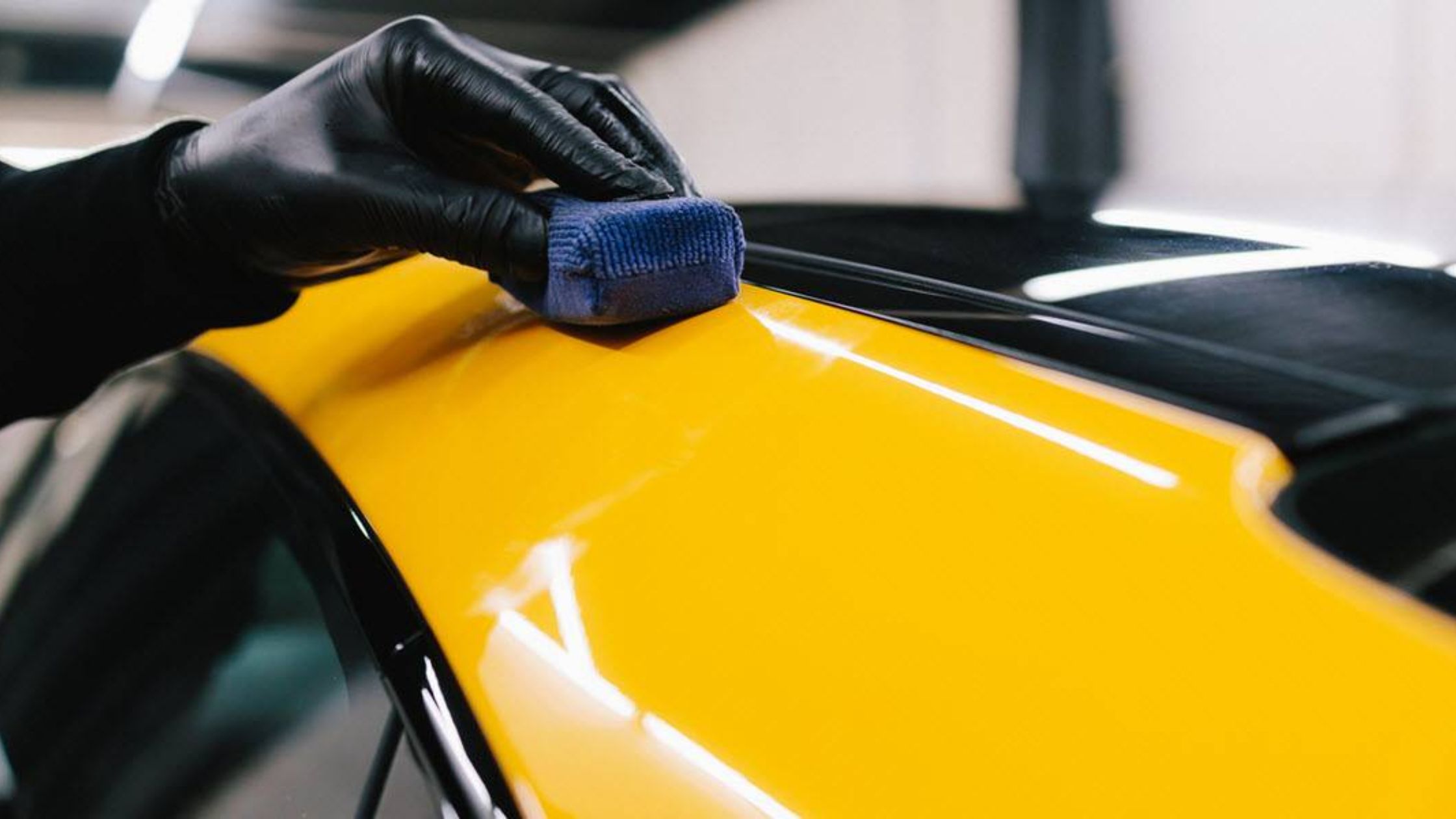
Discovering a scratch, water spot etch, or scuff mark on your protected vehicle can be frustrating, especially after investing in professional surface protection. Choosing a ceramic coating in Springfield gives your paint strong chemical resistance and hydrophobic gloss, but individual panels can still experience localized wear or impact damage over time. The short answer is yes, you can repair a damaged ceramic coating on a single panel or isolated area without stripping and recoating your entire vehicle. Understanding how detailers diagnose coating issues, execute spot correction, and blend fresh liquid nano-coatings saves both time and unnecessary repair costs.
Navigating daily driving conditions throughout the Ozarks exposes body panels to distinct hazards that can compromise specific sections of your paintwork. Whether a parking lot scuff affects a rear fender or acidic bug splatter etches a front bumper, targeted repair techniques allow you to address the affected area while keeping the intact protection on the rest of your vehicle completely untouched.
Can Ceramic Coating in Springfield MO Be Repaired Without Recoating the Entire Car?
Yes, opting for a ceramic coating allows for modular panel-by-panel repairs, meaning you do not need to re-polish or re-coat undamaged sections of your car. Because liquid ceramic coatings bond directly to clear coats on an individual panel level, professional technicians can isolate a damaged section, polish away the compromised coating, correct any underlying paint defects, and reapply fresh coating seamlessly.
When evaluating an isolated surface issue, technicians distinguish between true structural damage to the coating and temporary surface contamination. In many cases, what appears to be a failing or damaged coating is simply clogged silica pores filled with road grime, mineral deposits, or industrial fallout. Identifying the exact nature of the problem ensures you only perform physical paint correction when it is actually necessary.
Professional detailers follow systematic assessment criteria when evaluating a damaged coated panel:
- Hydrophobic Water Beading Test: Checking whether water still beads and sheets properly across adjacent panels compared to the compromised section.
- Paint Depth Gauge Measurement: Measuring the exact clear coat thickness in microns to confirm safe compound polishing boundaries on the affected panel.
- Surface Contamination Inspection: Determining whether embedded iron particles, tar spots, or hard water minerals are causing temporary gloss degradation.
- Scratch Severity Assessment: Verifying whether physical abrasions are isolated within the ceramic shell or have penetrated into the factory clear coat beneath.
What Causes Ceramic Coating Damage on Springfield Vehicles?
Ceramic coatings are engineered to serve as high-density sacrificial barriers, absorbing daily environmental stress to preserve underlying clear coats. However, aggressive mechanical friction, concentrated chemical acids, and high-velocity debris impacts can cause localized damage to the protective layer.
Vehicles commuting along busy local thoroughfares like the Kansas Expressway, Glenstone Avenue, Sunshine Street, or Highway 65 encounter continuous environmental stress that can impact exterior finishes over time.
Common factors that lead to localized ceramic coating damage include:
- Hard Water Mineral Etching: Mineral-heavy water drops from lawn sprinklers or rainstorms drying under direct sunlight can burn etch rings into top layers.
- Acidic Organic Contaminants: Bird droppings, crushed bug residue, and tree sap left on hot panels break down protective chemical bonds.
- Mechanical Wash Scratches: Abrasive nylon brushes at drive-thru car washes or dirty wash mitts drag heavy grit across panels, creating micro-marring.
- Localized Physical Scuffs: Low-speed parking scuffs, accidental clothing friction, or light brush contact during daily commutes cause localized surface scratches.
- Industrial Chemical Exposure: Harsh alkaline degreasers or acidic rim cleaners accidentally oversprayed onto painted panels degrade ceramic density.
How Do Detailers Diagnose the Level of Coating Damage?
Before performing any physical correction, experienced technicians execute diagnostic steps to determine whether the coating requires chemical decon or physical machine polishing. Testing begins with a thorough pH-neutral wash followed by specialized chemical decontamination sprays to strip away road oils and embedded iron particles that obstruct light reflection.
If hydrophobic performance returns after chemical cleaning, the coating was simply clogged rather than damaged. However, if water lies flat and scratch marks remain clearly visible under specialized LED inspection lighting, the ceramic barrier has been physically compromised and requires mechanical repair.
Diagnostic steps include evaluating three distinct levels of surface degradation:
- Clogged Surface Pores: Mineral deposits or road film masking hydrophobic properties; easily fixed with chemical decontamination.
- Topcoat Micro-Marring: Shallow swirly scratches contained within the thin ceramic matrix; corrected with light finishing polish and spot reapplication.
- Substrate Level Damage: Deep scratches or chemical etch marks penetrating through the coating into factory clear coat; requires two-stage polishing and full panel re-coating.
What Is the Process for Partial Ceramic Coating Reapplication?
Executing a seamless partial ceramic coating reapplication requires preparing and treating the targeted panel with the same precision as a full-vehicle installation. Because fresh ceramic liquid must bond directly to clean, bare clear coat, any remaining damaged ceramic layer must be completely removed from the affected panel before applying new protection.
Step 1: Chemical Decontamination
Technicians wash the target panel using a high-pH soap combined with dedicated iron fallout dissolvers and tar removers. This strips embedded contaminants out of clear coat pores and removes temporary waxes or toppers.
Step 2: Isolated Machine Polishing
Using a dual-action orbital polisher paired with specialized foam or microfiber pads, the technician executes precision machine polishing on the affected panel. This step safely levels away the damaged ceramic coating along with underlying clear coat scratches.
If you are dealing with paint scratches or want an expert evaluation on an isolated panel, you can contact us to schedule a comprehensive inspection with our local detailing team.
Step 3: Isopropyl Alcohol Panel Wipe
After polishing, the panel is thoroughly wiped down with a dedicated isopropyl alcohol prep solution. This removes residual polishing lubricants and silicone oils, leaving a completely bare, virgin substrate ready for chemical bonding.
Step 4: Panel Reapplication and Edge Blending
Fresh liquid ceramic coating is applied systematically across the prepared panel using criss-cross applicator passes. Technicians level the coating at the panel seam or blend it carefully along natural body lines to match the gloss and water-beading performance of neighboring panels.
Can You Restore Hydrophobic Properties Without Machine Polishing?
Yes, in cases where the ceramic coating is not physically scratched or etched, you can restore damaged automotive coating performance without using machine polishers. Over months of driving, microscopic pores in the ceramic matrix accumulate road film, mineral residue, and exhaust fallout that reduce water-beading angles and make paint feel rough.
Using specialized deep-cleaning products restores original self-cleaning properties without removing or damaging the existing ceramic layer:
- Acidic Water Spot Removers: Mild acidic shampoos break down calcium and magnesium mineral rings etched onto the surface.
- Iron Dissolving Treatments: Chemical iron removers dissolve airborne brake dust particles trapped in microscopic surface pores.
- Silica Spray Toppers: High-SiO2 maintenance sprays fill microscopic wear valleys in top layers, instantly renewing hydrophobic slickness.
- Decontamination Clay Mitts: Ultra-fine clay towels lubricated with dedicated sprays pull away stubborn tar deposits without abrading intact coatings.
Comparing Spot Coating Repair vs. Full Vehicle Recoating
Understanding the key differences between spot panel repair and full-vehicle recoating helps vehicle owners make practical service choices based on budget, time, and surface condition.
| Service Aspect | Spot Panel Ceramic Repair | Full Vehicle Recoating |
| Primary Scope | Single damaged door, fender, hood, or bumper | Entire vehicle exterior bodywork and trim |
| Preparation Time | 1 to 2 hours of localized prep work | 6 to 12 hours of multi-stage correction |
| Repair Cost | Highly budget-friendly; localized labor costs | Higher investment for complete surface prep |
| Vehicle Downtime | Same-day service completion in most cases | 2 to 4 days for prep, application, and full cure |
| Ideal Scenario | Isolated parking scuffs, scratch repair, or single-panel repaints | Widespread swirl marks, aged coatings, or new car protection |
| Visual Uniformity | Excellent when blended properly along factory panel seams | Perfectly uniform gloss and hydrophobicity across all panels |
When Is a Full Recoat Necessary Instead of Spot Repair?
While spot repairs work exceptionally well for isolated incidents, certain conditions make full-vehicle recoating the smarter long-term choice. If your vehicle exhibits widespread micro-marring across all panels, or if the existing coating is nearing the end of its projected lifespan, repairing individual panels creates uneven protection levels and inconsistent gloss.
Executing a full ceramic coating repair across the entire vehicle ensures uniform durability, identical water-shedding performance, and consistent optical clarity across every square inch of bodywork.
Consider a complete vehicle recoat if your car experiences any of the following scenarios:
- Expired Coating Lifespan: The existing coating is 4 to 6 years old and shows universal hydrophobic breakdown across all horizontal panels.
- Universal Wash Haze: Improper washing habits over several years have created deep swirl marks across every panel.
- Multi-Panel Bodywork Repairs: Multiple body panels were resprayed following collision repair, requiring full-vehicle surface realignment.
- Inconsistent Product Layers: Different coating products were applied to various panels over time, resulting in mismatched water-beading behavior.
How Does Ozarks Weather Affect Ceramic Coating Maintenance and Longevity?
Living in southwestern Missouri presents unique environmental challenges that test the limits of exterior automotive coatings. From freezing winter ice storms to intense midsummer solar exposure, local weather patterns accelerate surface contamination if maintenance is neglected.
Vehicle owners throughout regional communities encounter distinct seasonal hazards year-round:
- Winter Salt Brine: Driving along treated routes like the James River Freeway, Route 66, or Sunshine Street splashes corrosive de-icing chemicals onto lower door panels and rocker panels.
- Spring Tree Sap and Pollen: Parking beneath mature oak and walnut trees in classic neighborhoods like Rountree or Phelps Grove drops sticky sap that etches into hot panels.
- Midsummer Solar Radiation: Extended outdoor parking near destinations like Nathanael Greene Park, Lake Springfield, or local shopping districts bakes organic road grime into upper clear coat surfaces.
- Regional Highway Commuting: Daily drives from neighboring towns such as Ozark, Nixa, Republic, Willard, or Branson expose front-end panels to high-velocity stone grit and bug splatter.
Performing regular maintenance washes with pH-neutral shampoos prevents local environmental contaminants from breaking down your ceramic barrier prematurely.
Frequently Asked Questions About Ceramic Coating Repair
Can you blend a new ceramic coating into an existing ceramic coating?
Yes, technicians can blend fresh ceramic liquid into an existing coating by using natural panel seams, body lines, or door edges as boundaries. Because liquid nano-coatings cure into transparent, glass-like films, proper surface prep prevents any visible overlap lines or color mismatch between newly coated and existing panels.
Will polishing one panel remove the ceramic coating completely?
Yes, machine polishing a panel with abrasive compounds physically removes the ceramic coating along with surface scratches. This is why detailers only polish panels that require defect removal, allowing you to reapply a fresh coating layer onto a clean clear coat without disturbing untouched panels.
How do you fix water spots etched into a ceramic coating?
Minor water spots are fixed chemically using specialized acidic water spot removers that dissolve mineral deposits without harming the ceramic layer. If minerals have burned deep physical etch rings into the coating, light machine polishing is required on the affected area, followed by spot reapplication.
Can I fix a damaged ceramic coating myself at home?
While minor surface contamination can be cleaned at home using chemical decon sprays and silica toppers, physical scratch removal requires professional polishers and depth gauges. Attempting aggressive machine polishing without proper training can burn through remaining clear coats or leave hazy buffer trails.
How much does spot ceramic coating repair cost compared to full recoating?
Spot ceramic coating repair costs significantly less than a full vehicle recoat because labor is restricted to a single panel or isolated area. Pricing varies based on the severity of the damage and whether multi-stage paint correction is required before re-coating the affected panel.
Conclusion: Smart Paint Defense Solutions for Local Drivers
When managing your vehicle's exterior finish, understanding how to address localized paint damage keeps your investment looking pristine without unnecessary costs. Rather than replacing protection across your entire car after a minor incident, localized panel correction and targeted reapplication provide a practical, cost-effective way to maintain flawless gloss and hydrophobic defense.
Whether you display a classic muscle car near the Route 66 Car Museum, take weekend family drives past Bass Pro Shops, or navigate daily commutes across the Ozarks, keeping your protective coating in peak condition ensures long-lasting visual appeal and effortless vehicle maintenance.
For vehicle owners seeking reliable local surface care and expert evaluation, Glass Tint USA offers comprehensive paint correction, panel repair, and professional ceramic coating installations tailored to your specific vehicle needs.