

Can Ceramic Coating Be Applied to an Older or Repainted Vehicle?
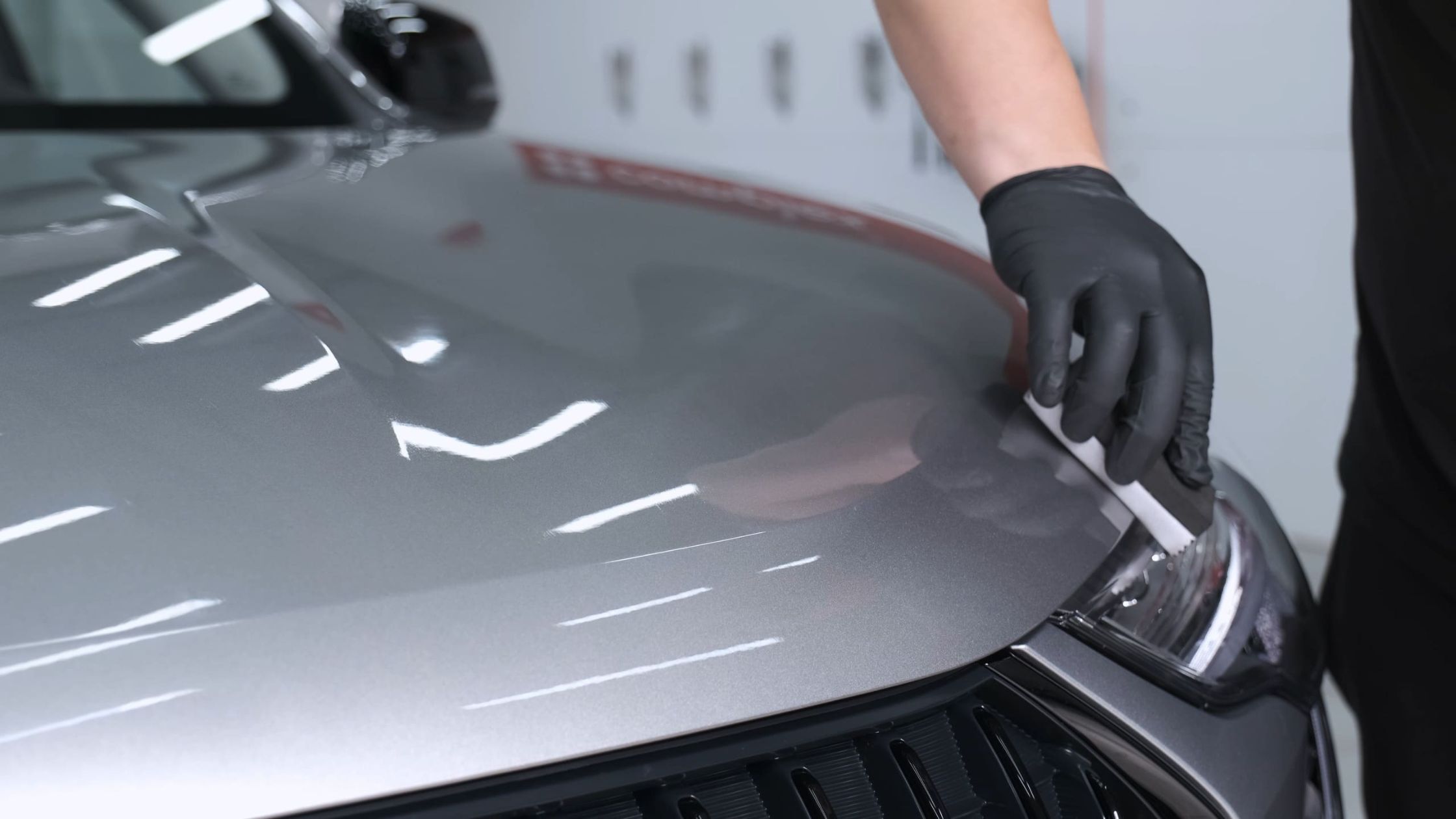
Many vehicle owners ask whether an aging daily driver or a newly resprayed project car can safely receive long-lasting paint protection. Opting for ceramic coating in Springfield is an effective solution for older or repainted vehicles, provided the clear coat is structurally sound and undergoes thorough chemical decontamination and multi-stage paint correction first.
While brand-new factory vehicles arrive with uniform clear coats, older cars and freshly painted panels present unique technical considerations. Liquid ceramic coatings form semi-permanent chemical bonds at a molecular level, requiring a stable substrate to adhere correctly. Whether you navigate daily traffic near Sunshine Street or maintain a classic show car for regional Ozarks cruises, understanding your vehicle's paint condition is essential before installation.
Can Ceramic Coating in Springfield MO Be Applied to an Older or Repainted Vehicle?
Deciding on ceramic coating in Springfield MO for an older or repainted vehicle is entirely safe when guided by proper surface testing and cure timelines. The application success relies on whether your original clear coat retains structural integrity or if newly applied body shop paint has completed its mandatory solvent outgassing period.
Older vehicles typically present original factory finishes that have endured years of intense solar radiation, industrial fallouts, and mechanical brush washing. Repainted vehicles feature modern body shop finishes that require adequate time for volatile solvents to evaporate completely before sealing.
Professional detailing technicians perform systematic surface evaluations to confirm readiness:
- Clear Coat Adhesion: The existing clear coat must be fully intact without active peeling, flaking, or deep checking.
- Micron Thickness: Adequate clear coat depth must remain so technicians can safely execute multi-stage polishing without burning through.
- Solvent Outgassing: Freshly resprayed body panels require 30 to 90 days of ambient drying before applying airtight sealants.
- Contaminant Levels: Weathered finishes need intensive chemical bath treatments and mechanical claying to remove embedded road debris.
How Does Ceramic Coating Interact with Weathered Factory Paint?
Aged factory finishes react exceptionally well to liquid nano-ceramic formulas once microscopic defects are leveled through correction. Over time, original clear coats accumulate micro-pores, wash swirls, stubborn oxidation, and embedded iron particles. Liquid coatings seal these surface imperfections using advanced silicon dioxide (SiO2) or silicon carbide (SiC) formulations.
When evaluating a ceramic coating for older cars, the primary objective is stabilizing remaining clear coats while permanently locking in restored gloss. Because liquid ceramic polymers cure into a hard, glass-like protective shell, any unpolished scratches or deep swirl marks will remain permanently visible underneath.
Applying ceramic technology to aged factory finishes delivers critical protective benefits:
- Enhances Color Depth: Polishing removes dull, oxidized clear coat layers while the ceramic topcoat amplifies light refraction and gloss.
- Blocks Solar Radiation: Provides robust UV barriers that resist clear coat fading during severe Midwest summer heat waves.
- Simplifies Exterior Washing: Hydrophobic top layers allow organic dirt, road tar, and bug splatter to slide off effortlessly.
- Resists Environmental Staining: Shields aging clear coats against acidic bird droppings, tree sap, and mineral-heavy hard water drops.
What Happens If You Apply Ceramic Coating to Freshly Repainted Vehicle Panels?
Applying liquid nano-coatings to freshly painted bodywork requires precise timing to avoid trapping evaporating solvents beneath the surface. When a collision center or restoration shop sprays fresh base coat and clear coat layers, volatile organic compounds remain trapped inside the paint matrix. Over several weeks, these compounds naturally escape into the surrounding air through outgassing.
Sealing a fresh clear coat too early creates a non-porous barrier over escaping vapors. This common mistake leads to severe finish defects, including hazy gloss, micro-blistering, bubbling clear coat, or complete coating detachment.
Technicians who specialize in coating repainted vehicle panels evaluate key factors before application:
- Booth Bake Cycles: Heated spray booths accelerate surface hardening, but internal chemical curing continues long after leaving the booth.
- Panel-Specific Schedules: If only a single door or fender was resprayed, technicians can coat the original panels while allowing fresh paint time to rest.
- Flex Additive Formulations: Flexible plastic bumpers contain specialized clear coat additives, requiring flexible ceramic formulas that move naturally with body flex.
How Long Should You Wait After Repainting Before Applying Ceramic Coating?
Most professional body shops and automotive paint manufacturers recommend waiting 30 to 90 days before installing ceramic coatings, synthetic sealants, or wax. This crucial waiting period allows the clear coat to reach complete chemical cross-linking and maximum hardness.
Environmental factors like ambient temperature, relative humidity, and airflow directly influence how quickly solvent vapors evaporate. Vehicles stored in heated garages during winter months cure differently than those parked in cooler, damp environments.
Here is a general timeline for protecting repainted vehicle panels safely:
- Days 1 to 30 (Initial Curing): Avoid automatic car washes, refrain from applying any sealants, and allow solvents to escape naturally.
- Days 30 to 60 (Surface Inspection): Check panels for body shop buffer swirls, dust nibs, sanding marks, or orange peel texture.
- Days 60 to 90 (Prep & Coating): Complete multi-stage paint leveling and apply the ceramic coating safely across cured surfaces.
What Surface Preparation Is Required for Restored or Aged Paint?
Meticulous surface preparation accounts for over 80 percent of a ceramic coating's overall durability and visual clarity. Applying ceramic formulas directly over oxidized clear coats, embedded grime, or wax residues guarantees premature coating failure. Achieving long-term ceramic protection for restored paint or aged commuters requires adhering to a strict preparation routine.
Step 1: Chemical Decontamination Bath
Older vehicles gather heavy brake dust, industrial fallout, and metal particles from commuting along high-traffic routes like Highway 65 or the James River Freeway. Detailers apply pH-balanced iron dissolving solutions that turn bright purple as they break down metallic debris embedded deep inside clear coat pores.
Step 2: Mechanical Clay Bar Treatment
Following the chemical wash, technicians glide an automotive clay bar with dedicated lubricant across all painted panels. This step physically pulls out stubborn surface contaminants such as tree sap spots, paint overspray, and road tar that chemical washing cannot dissolve.
If you want to evaluate your vehicle's current paint condition with experienced technicians, you can contact us to receive a tailored surface assessment and recommendations.
Step 3: Multi-Stage Paint Correction
Paint correction utilizes dual-action orbital polishers, specialized foam pads, and micro-abrasive compounds to safely level microscopic surface scratches.
- Single-Stage Correction: Removes light wash haze and fine micro-swirls, eliminating 50% to 70% of superficial defects.
- Two-Stage Correction: Combines heavy compounding with fine finishing polish to remove severe oxidation and deep scratches, restoring 80% to 95% of original paint clarity.
Step 4: Isopropyl Alcohol (IPA) Panel Wipe
Prior to coating installation, all panels undergo a thorough wipe-down using isopropyl alcohol or dedicated panel preparation sprays. This critical step removes lingering polishing oils, ensuring raw clear coat surfaces bond directly with liquid ceramic formulas.
When Is an Older Vehicle Not a Candidate for Ceramic Coating?
Although advanced ceramic coatings produce remarkable results on aged finishes, they cannot repair structural paint failure. Ceramic liquid coatings protect intact paint layers, but they lack the ability to fill missing paint or restore detached clear coats.
If your vehicle exhibits any of the following damage conditions, body shop repairs must be completed before considering ceramic installation:
- Active Clear Coat Delamination: Large white patches or peeling sections where clear coats have detached completely from base color coats.
- Deep Crow's Feet Fractures: Microscopic web-like crack networks extending through the clear coat due to severe thermal stress.
- Exposed Primer or Bare Metal: Deep gouges or chip clusters that pass through clear and base coats down to raw metal.
- Critically Thin Clear Coat: Paint depth gauge readings below 70 microns total thickness, leaving insufficient margin for safe machine compounding.
Comparing Aged Factory Paint vs. Fresh Repainted Panels
Understanding the operational differences between older factory paint and fresh body shop panels helps set accurate expectations for surface preparation and cure times.
| Feature / Consideration | Aged Original Factory Paint | Freshly Repainted Body Panels | Custom Restored Classic Paint |
| Primary Challenge | Heavy oxidation, deep swirl marks, embedded contaminants | Solvent outgassing and soft clear coat cure states | Varied paint thickness and single-stage lacquer sensitivity |
| Mandatory Wait Time | Zero wait time after machine polishing | 30 to 90 days minimum for complete cure | 60 to 90 days after final clear coat spray |
| Required Preparation | Iron fallout removal, clay treatment, 2-stage correction | Light finishing polish to clear dust nibs | Delicate multi-stage polishing with digital gauge monitoring |
| Primary Goal | Restore color depth and protect thin remaining clear coat | Seal brand-new finish against immediate micro-scratching | Preserve show-car gloss and historical vehicle value |
| Main Application Risk | Buffing through thin, aged clear coats | Trapping uncured solvents beneath non-porous coatings | Over-polishing irreplaceable custom or original panels |
How Does Ozarks Weather Impact Ceramic Coatings on Older Vehicles?
Driving an older or repainted car throughout the greater Springfield metropolitan area subjects clear coats to harsh weather variations year-round. From intense summer heat waves to winter road salt applications, regional climate conditions accelerate clear coat degradation on unprotected vehicles.
Local drivers navigate distinct environmental hazards that make durable ceramic defense highly beneficial:
- Summer Heat and UV Exposure: Extended parking near spots like Nathanael Greene Park, Lake Springfield, or local shopping centers bakes contaminants into hot clear coats.
- Corrosive Winter De-Icers: Navigating slushy thoroughfares along Sunshine Street, Kansas Expressway, or Glenstone Avenue splashes salt brine onto vulnerable paint seams.
- Spring Tree Sap and Pollen: Overhanging trees in historic neighborhoods like Rountree or Phelps Grove drop acidic sap that quickly etches softer, repainted clear coats.
- Loose Road Gravel: Commuting from neighboring communities like Ozark, Nixa, Republic, or Willard subjects front bumpers to constant stone impacts along highway corridors.
Liquid ceramic coatings form ultra-dense, UV-resistant shields that prevent environmental acids, road salts, and moisture from contacting vulnerable paint underneath.
Long-Term Benefits of Ceramic Protection for Restored and Older Vehicles
Investing in professional paint correction and ceramic installation breathes new life into older trucks, sedans, and classic cruisers. Instead of paying thousands of dollars for full vehicle resprays, many owners achieve factory-like gloss through targeted polish work and durable ceramic coatings.
Key benefits for older and restored vehicles include:
- Preserved Vehicle Value: Cars with mirror-like gloss and scratch-free panels maintain significantly higher private market value.
- Effortless Maintenance Washing: Superior hydrophobic water-beading properties cut routine washing times in half by preventing grime adhesion.
- Stain and Chemical Resistance: Durable barriers protect delicate clear coats from industrial fallouts encountered around Commercial Street or Route 66 traffic corridors.
- Extended Surface Longevity: High-grade ceramic coatings last between 2 and 7 years, far outlasting traditional carnauba waxes that wash off in weeks.
Frequently Asked Questions About Ceramic Coating for Older Cars
Can ceramic coating hide existing scratches on an older car?
No, ceramic coatings are optically clear enhancers rather than surface fillers. Because coatings cure into transparent glass-like layers, they magnify underlying scratches and swirl marks rather than hide them. Professional paint correction must be performed before application to polish away surface defects physically.
Is ceramic coating safe for custom single-stage paint on classic cars?
Yes, ceramic coating is safe for single-stage paint once the surface is properly polished. Single-stage finishes lack modern clear coats, meaning pigments transfer directly to polishing pads during prep. Once corrected, ceramic coatings seal raw pigments, preventing rapid oxidation and color fading.
How do detailers know if an older car's clear coat is too thin for coating?
Technicians use digital ultrasonic paint depth gauges to measure precise clear coat thickness in microns across every panel. If depth readings fall below safe working limits (typically under 70 to 80 micrometers total thickness), aggressive compounding is avoided, and gentle finishing polishes are used instead.
Will ceramic coating stop rust from spreading on an older truck or SUV?
Ceramic coatings protect intact exterior surfaces from water and salts that cause surface rust. However, ceramic coatings cannot stop existing structural rust that is already creeping beneath paint layers or corroding metal panels from the inside out.
What is the difference between ceramic coating and paint protection film for repainted panels?
Paint Protection Film (PPF) is a thick polyurethane barrier engineered to absorb high-impact stone chips and physical scratches. Ceramic coating is a thin liquid polymer that cures hard to deliver hydrophobic water shedding, UV defense, and chemical stain resistance. Many owners apply PPF to high-impact front bumpers and top the entire vehicle with ceramic coating for complete defense.
Conclusion: Protecting Your Vehicle's Paint for the Long Haul
When considering professional ceramic coating in Springfield MO, older vehicles and freshly repainted panels are exceptional candidates when paired with proper surface prep and curing patience. Aged finishes gain renewed depth and robust UV defense, while newly repainted panels achieve maximum scratch resistance once outgassing periods pass.
Whether you showcase a restored muscle car near the Route 66 Car Museum, take family trips to Bass Pro Shops, or commute daily across the Ozarks, protecting your vehicle's exterior safeguards your automotive investment for years down the road.
For car owners seeking dependable local expertise, Glass Tint USA provides comprehensive vehicle surface protection services tailored to your car's exact paint condition.