

How Does Ceramic Coating Protect Your Car From Missouri Weather Conditions?
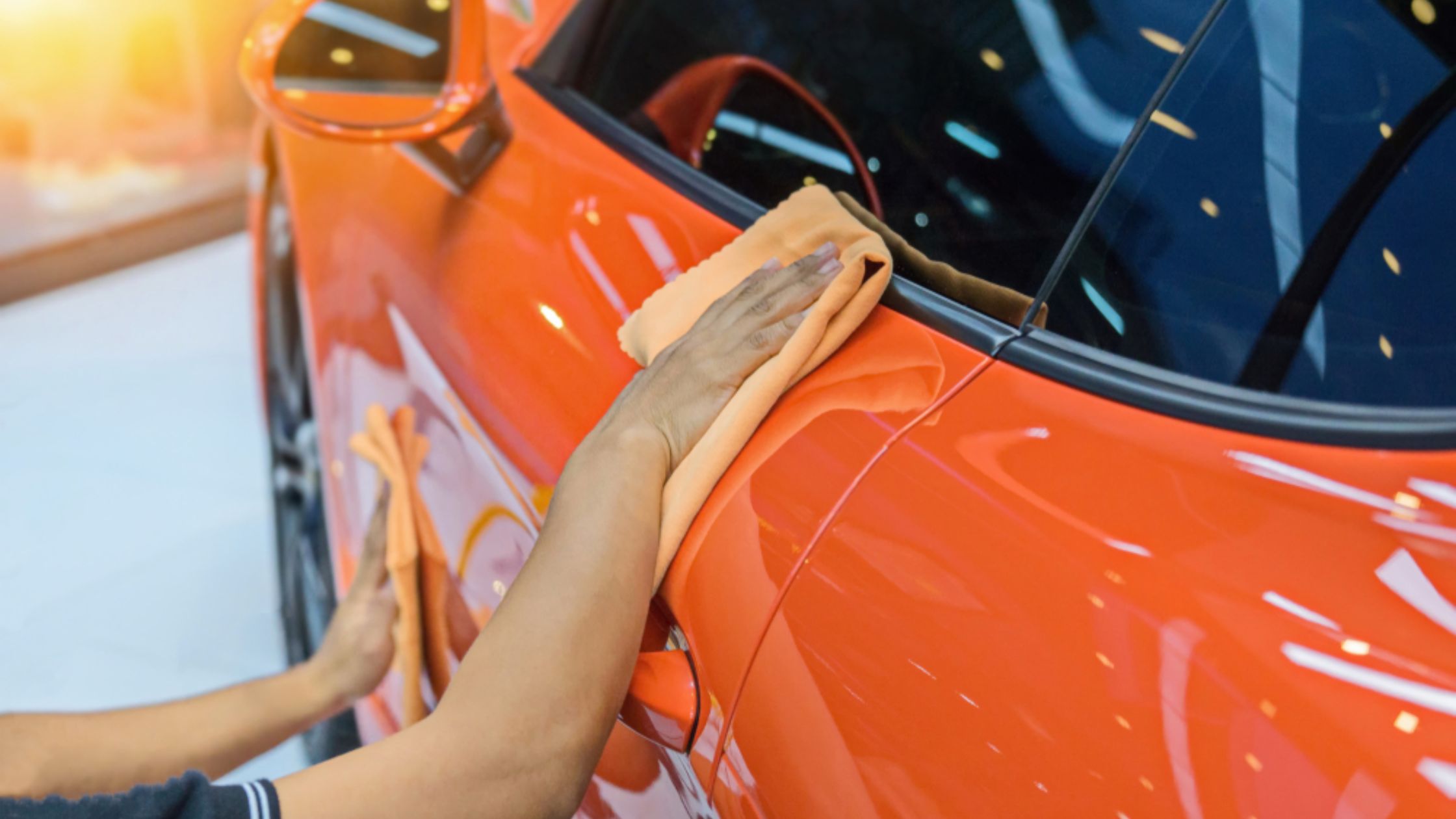
Commuting down Kansas Expressway or battling the winter slush on Interstate 44 exposes your vehicle to severe environmental wear. From brutal summer humidity to corrosive winter road brines, maintaining a flawless factory finish in southwest Missouri feels like an uphill battle. Opting for a professional ceramic coating in Springfield MO offers an advanced, long-term solution that physically bonds with your vehicle's factory clear coat. This liquid nanotechnology creates an ultra-smooth, hydrophobic defense layer that protects your paint from regional weather extremes while making your weekly maintenance remarkably easy.
Does Weather Damage Car Paint?
Yes, weather conditions actively damage automotive paint by breaking down the clear coat over time. When your vehicle is left unprotected, exposure to ultraviolet rays, acid rain, rapid temperature swings, and winter road chemicals causes chemical oxidation. This process slowly degrades the top layer of paint, leading to a dull appearance, micro-cracking, and eventual clear coat failure or rust.
Without a strong sacrificial barrier, your car's exterior is completely vulnerable. Standard clear coats are surprisingly porous on a microscopic scale. These tiny pores allow moisture, salt, and acidic pollution to penetrate deep into the paint structure, initiating irreversible environmental damage.
Why is Ceramic Coating in Springfield MO Essential for Year-Round Protection?
Ceramic Coating in Springfield MO
Ceramic coating in Springfield MO provides a semi-permanent, microscopic shield that completely seals these paint pores. Unlike traditional wax products that break down under moderate heat, this advanced liquid polymer cures into an incredibly hard glass-like layer. It blocks water, grime, and road chemicals from ever reaching the sensitive factory clear coat.
By choosing this advanced surface treatment, you give your vehicle a highly resilient defense system. The physical bond formed during application ensures the protective layer does not wash away, even after repeated exposures to severe weather or high-pressure sprayers.
- Continuous paint preservation: Keeps your paint looking glossy and new in all seasons.
- Drastic wash-time reduction: Dirt struggles to stick to the slick, cured surface.
- Elimination of seasonal waxing: One application protects your vehicle for years.
- Sustained vehicle resale value: Prevents the paint degradation that lowers trade-in prices.
How Does Missouri Summer Heat and Humidity Affect Your Paint?
The combination of high humidity and intense sunshine during southwest Missouri summers acts as a catalyst for paint oxidation. When your vehicle is parked outside near the Missouri State University campus or driven daily along Sunshine Street, it absorbs a massive amount of solar energy.
This prolonged exposure breaks down the molecular bonds of your factory paint, causing the color to fade and the gloss to diminish. High humidity levels further complicate this by trapping moisture, industrial fallout, and dust against the warm surface, which can lead to rapid staining.
Solar Radiation and Clear Coat Failure
Applying a professional ceramic formula provides vital UV ray protection for your vehicle. The coating contains highly concentrated active ingredients that reflect both UVA and UVB rays away from the vehicle.
This block prevents solar heat from baking contaminants into the paint surface. It ensures your car retains its rich, deep color and showroom shine through the hottest July and August heatwaves.
The Problem with Water Spot Etching
Summer thunderstorms in the Ozarks often leave behind water spots that can permanently ruin your clear coat. When rainwater evaporates quickly off hot metal panels, it leaves behind concentrated mineral deposits.
These minerals can physically etch into the clear coat if they are not polished out immediately. A ceramic barrier prevents this by keeping water from pooling on flat panels, ensuring mineral deposits cannot bond directly to your paint.
How Does a Weather-Resistant Ceramic Coating Handle Missouri Winters?
Winter weather in southwest Missouri presents some of the most destructive elements your vehicle will ever face. When road crews treat local highways like Highway 65 with salt, liquid calcium chloride, and sand, your vehicle is constantly pelted with highly corrosive materials.
These winter chemicals are designed to melt ice, but they also accelerate rust and metal oxidation on contact. A weather-resistant ceramic coating acts as an impenetrable shield that prevents these harsh chemical brines from making direct contact with your paint.
Resisting Road Salt and Chemical Brine
Standard automotive waxes quickly dissolve when exposed to winter road chemicals and freezing temperatures. A cured ceramic nanostructure remains completely chemically inert and unaffected by these corrosive agents.
This means salt and brine cannot find a foothold on your car's body panels. Instead of clinging to your doors and rocker panels, winter road grime is easily rinsed away with a basic low-pressure wash.
- Corrosion prevention: Blocks salt water from reaching underlying metal.
- Abrasion defense: Resists the microscopic scratching caused by blowing road sand.
- Easy winter wash downs: Allows you to clean your car quickly in cold weather.
- Ice resistance: Makes it much harder for frost and ice to bond to your paint.
What Other Local Elements Threaten Your Vehicle's Finish?
Beyond the extreme seasonal weather, drivers in our heavily wooded region deal with constant organic hazards. Whether you are parking near Lake Springfield or commuting daily from Nixa or Ozark, your car is constantly exposed to tree sap, bird droppings, and thick seasonal pollen.
These organic materials are highly acidic and will quickly eat through standard car waxes. Once they penetrate the wax, they begin to stain and etch the clear coat underneath, leaving behind permanent, unsightly blemishes.
Preventing Organic Acid Damage
A professional ceramic installation provides robust protection from environmental contaminants that fall from the local canopy. Because the cured coating is incredibly smooth and chemically resistant, highly acidic substances like bird droppings and bug splatter cannot easily bond to the surface.
This structural barrier gives you a much larger window of safety to clean your vehicle before any permanent damage can occur. Instead of scrubbing aggressively and scratching your paint, you can easily wipe these contaminants away with minimal effort.
Dealing with Thick Spring Pollen
Spring in southwest Missouri brings a heavy blanket of oak, pine, and cedar pollen that covers every vehicle in a yellow dust. When this pollen gets wet from dew or light rain, it releases acidic enzymes that can stain automotive clear coats.
If you are tired of spending hours scrubbing yellow dust off your hood every spring, you can find a permanent solution when you contact us to set up a professional consultation. The hyper-slick, hydrophobic surface of a coated car ensures that light rain actually washes pollen away rather than turning it into a destructive paste.
Evaluating Paint Protection Options for local Commuters
To understand why advanced liquid polymers have become the gold standard for local vehicle protection, it helps to compare them directly to traditional methods. Different choices offer highly varied lifespans, chemical resistances, and physical protections.
| Protection Feature | Traditional Car Wax | Silica Polymer Sealants | Ceramic Nano-Coatings |
| Average Lifespan | 4 to 8 weeks | 4 to 6 months | 2 to 9+ years |
| UV Protection Level | Low | Moderate | Exceptionally High |
| Chemical Resistance | Extremely Low | Moderate | High (Resists pH 2 to 12) |
| Hydrophobic Effect | Moderate (Temporary) | High | Ultra-High (Long-lasting) |
| Maintenance Needs | Frequent reapplication | Regular top-ups | Simple washing and boosting |
While traditional waxes and spray sealants are inexpensive initially, they fail quickly under the stress of local weather. The constant need for reapplication makes them far more expensive and time-consuming in the long run compared to a single professional coating installation.
Step-by-Step: How Professional Application Seals Out the Elements
Applying a high-purity ceramic coating is an exacting process that requires specialized tools, climate-controlled environments, and extensive training. The long-term durability of the final cured barrier is entirely dependent on the quality of the preparation steps.
Multi-Stage Decontamination Wash
Before any protective product can be applied, the vehicle must be completely stripped of old waxes, oils, and embedded road grime. Technicians use specialized pH-balanced soaps and chemical iron removers to pull microscopic metallic particles out of the clear coat.
Next, a professional clay bar treatment is performed over every painted panel. This manual process safely lifts away remaining bonded contaminants, leaving behind a perfectly smooth, raw clear coat surface.
Precision Paint Correction
Once the vehicle is completely clean, technicians evaluate the paint under specialized high-intensity lighting to identify swirl marks, fine scratches, and oxidation. Any imperfections left on the paint will be permanently locked under the ceramic glass layer if they are not corrected first.
Using rotary and dual-action polishers along with various compounding pads and polishes, the paint is carefully leveled. This correction step removes the micro-scratches that scatter light, restoring the depth, clarity, and gloss of your factory paint.
Chemical Bonding and Infrared Curing
The polished paint is treated with an isopropyl alcohol solution to remove any remaining polishing oils, ensuring a totally bare surface. The liquid ceramic is then meticulously hand-applied section by section using a specialized applicator block.
As the liquid solvent flashes, the specialist carefully buffs away the excess product using plush microfiber towels to prevent high spots or hazy patches. Finally, the vehicle is placed under short-wave infrared curing lamps to accelerate the chemical cross-linking process, ensuring maximum durability and hardness before the car ever faces the unpredictable local weather.
Frequently Asked Questions About Protecting Your Vehicle's Paint
Can ceramic coating protect my car from hail damage?
No, ceramic coatings cannot protect your vehicle from physical hail damage, deep rock chips, or heavy impact dents. While the cured nanostructure does offer minor resistance to micro-marring and wash-induced swirl marks, it is a thin liquid polymer rather than a thick impact-absorbing barrier. If you are looking for robust defense against flying gravel and physical road debris, you should consider combining your coating with high-quality paint protection film (PPF).
How often do I need to wash my ceramic-coated vehicle in the winter?
You should wash your ceramic-coated vehicle at least once every two to three weeks during the winter to keep the hydrophobic properties performing at their best. Although road salt and chemical brines cannot easily bond to the slick surface, a heavy buildup of winter road film can eventually clog the nanotechnology and temporarily reduce its water-beading performance. A simple, safe rinse at a touchless car wash or a careful hand wash using a pH-neutral soap is all it takes to restore the coating's self-cleaning properties.
Will heat or high humidity make the ceramic coating peel off?
No, a professional-grade ceramic coating will never peel, crack, or bubble due to extreme heat or humidity. Unlike traditional waxes or cheap consumer sealants that soften and melt when exposed to summer temperatures, a true ceramic coating forms a permanent covalent bond with your vehicle's factory clear coat. The cured layer can withstand temperatures exceeding 1,000 degrees Fahrenheit, ensuring it remains completely stable during the hottest and most humid Missouri summers.
Can I apply a professional-grade ceramic coating in my driveway?
No, you should not attempt to apply professional-grade ceramic coatings in an open residential driveway. High-purity ceramic formulas require strict environmental controls, including precise temperature, humidity, and dust-free air, to flash and cure correctly without leaving permanent optical defects. Furthermore, the intensive paint correction steps required before application demand professional dual-action polishers, specific lighting, and expert techniques that are very difficult to replicate at home.
Does ceramic coating protect against road salt damage?
Yes, a ceramic coating provides exceptional protection against the highly corrosive effects of winter road salt and liquid brines. The chemically inert glass-like barrier prevents salt water from penetrating through to your vehicle's underlying clear coat and metal panels. This prevents the rapid oxidation and corrosion that typically leads to rust formation along your rocker panels, wheel wells, and lower doors.
Protecting Your Investment in Southwest Missouri
Securing long-term protection for your vehicle is one of the smartest financial decisions you can make to preserve its aesthetic beauty and future trade-in value. From blocking the relentless ultraviolet rays of our hot summers to shedding the corrosive salt brines of our unpredictable winters, this advanced chemical barrier ensures your vehicle remains protected throughout every season. The incredible glass-like gloss and self-cleaning hydrophobic properties make washing your car an easy, satisfying chore rather than a weekly struggle.
When you want to guarantee your vehicle receives the highest standard of care, trusting experienced local professionals is the key to achieving flawless results. For drivers throughout the Ozarks, Glass Tint USA is the premier choice for professional detailing and premium protective coatings. Backed by 412 Google reviews and a perfect 5-star rating as of today, their certified technicians use state-of-the-art techniques and top-tier products to apply your ceramic coating in Springfield MO with absolute precision, providing your vehicle with a stunning, durable barrier that easily stands up to the toughest Missouri weather.