

What Type of Car Window Tint Is Best for Missouri Weather Conditions?
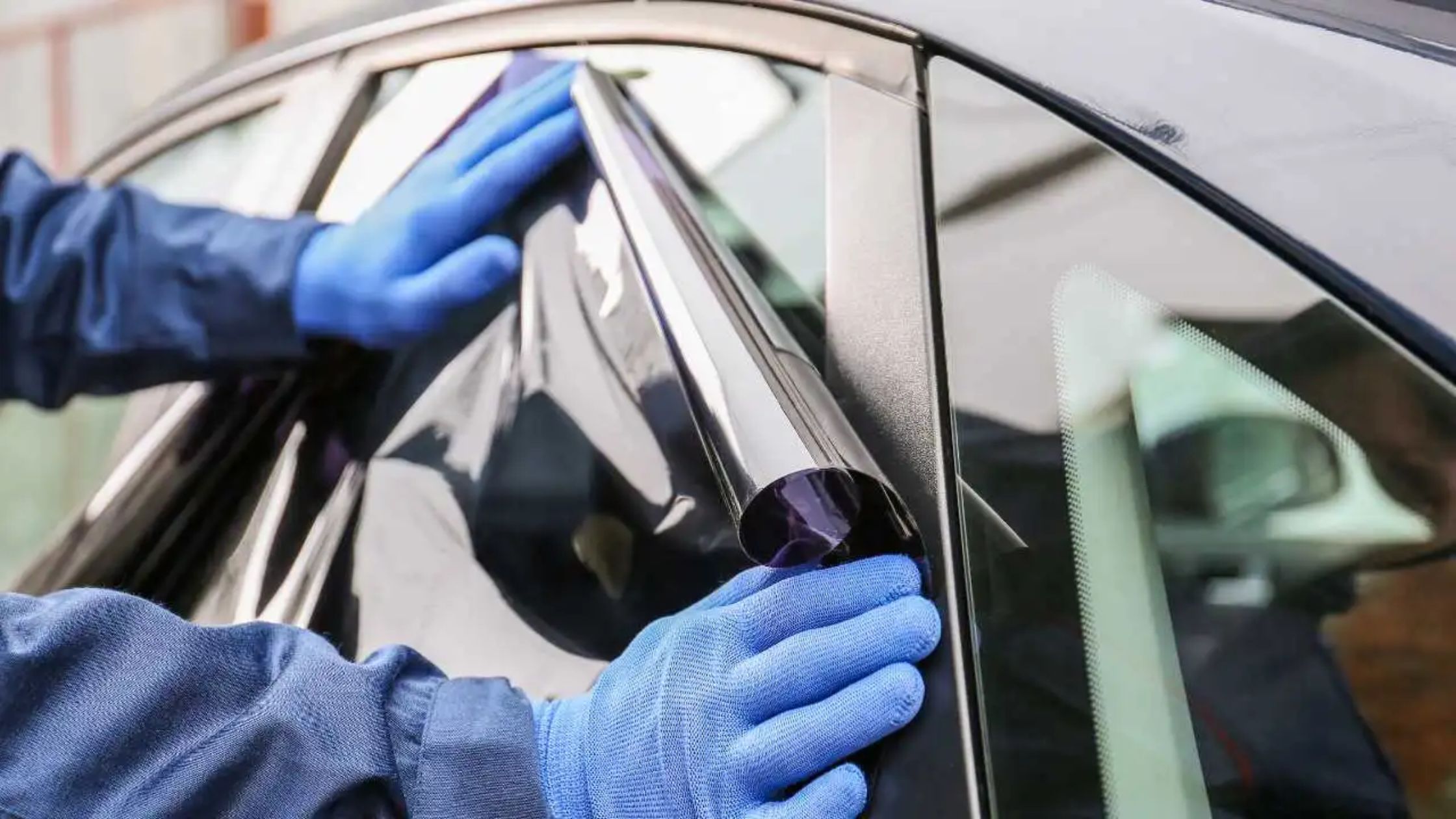
Choosing the best window film for the Ozarks means finding a product that can handle rapid shifts between humid, blistering summers and freezing, icy winters. For most drivers in Southwest Missouri, nano-ceramic window film is the superior choice because it offers the highest level of infrared heat rejection without interfering with electronic signals. Whether you are parked at the Battlefield Mall or commuting along the James River Freeway, ceramic technology ensures your cabin stays up to 25 degrees cooler in July while providing a durable barrier against UV damage during the winter months. By selecting a high-performance film, you protect your vehicle's interior from the Missouri sun's relentless intensity while maintaining the optical clarity needed for safe driving in all seasons.
Which window tint is best for heat reduction in Springfield MO?
Ceramic window tint is the most effective option for heat reduction because it is engineered to block up to 98% of infrared light, which is the primary cause of solar heat buildup. Unlike traditional dyed films that simply darken the glass, ceramic particles actively repel the sun's energy rather than absorbing it. This makes it a perfect fit for car window tinting in Springfield MO, where summer temperatures frequently climb into the 90s with high humidity.
When you are driving through the Downtown Springfield CID or leaving a car parked at a Missouri State University lot, the interior of your vehicle can quickly become a "rolling oven." High-quality ceramic films provide an immediate difference in comfort, allowing your air conditioning system to cool the cabin faster and maintain that temperature with less effort. This efficiency is especially valuable for modern vehicles and electric cars, as it can help preserve battery range by reducing the load on the climate control system.
To ensure your vehicle receives a professional application of these high-performance materials, you should schedule automotive services with a certified technician who can verify the heat-rejection ratings of each film. Investing in the right technology now will save you from the discomfort of a scorching steering wheel and hot leather seats during the peak of the Missouri summer.
How does ceramic window tint in Springfield MO handle the humidity?
The performance of ceramic window tint in Springfield MO is largely unaffected by humidity, as the film is applied to the interior of the glass where it is protected from the external elements. However, the high humidity levels often found in the Ozarks can prolong the initial curing process after installation. During the humid months, it is common for the "moisture bubbles" or haziness typically seen after a fresh install to take a few extra days to fully evaporate.
Local drivers should be aware that while the humidity doesn't degrade the film's ability to block heat, it does mean you must be more patient before rolling down your windows. Most professional installers in the Greene County area recommend waiting 3–5 days during the humid season to ensure the adhesive bond is completely dry.
What are the most effective heat-blocking car tint options for Missouri?
When comparing heat-blocking car tint options, drivers generally choose between three main categories of film, each offering a different level of protection and durability. In the varied climate of Southwest Missouri, where we experience everything from severe thunderstorms to intense droughts, the material of your film matters just as much as the darkness.
- Ceramic Tint (The Premium Choice): This uses nano-ceramic technology to block nearly all infrared heat. It is the best window tint for hot weather because it offers the highest TSER (Total Solar Energy Rejected) ratings. It will not fade, bubble, or turn purple over time.
- Carbon Tint (The Middle Ground): Carbon film contains no metal, so it doesn't interfere with your cell phone or GPS signals. It provides a beautiful matte finish and blocks more heat than dyed films, though not as much as ceramic.
- Dyed Tint (The Budget Option): This is primarily used for aesthetics and privacy. While it provides some UV protection, it offers minimal heat rejection and is prone to fading after a few years of exposure to the Missouri sun.
For residents living in neighborhoods like Rountree or near the Springfield Art Museum, choosing a ceramic option is often viewed as a long-term investment. To get an expert recommendation tailored to your specific vehicle, you should schedule automotive services to discuss which tier of film fits your daily driving habits and budget.
Comparing Tint Performance for Local Weather
| Tint Type | Heat Rejection | UV Protection | Lifespan | Best For |
| Ceramic | 90% - 98% | 99% | Lifetime | Maximum Heat Control |
| Carbon | 50% - 70% | 99% | 5 - 10 Years | Matte Style & Signal Clarity |
| Dyed | 10% - 30% | 99% | 2 - 5 Years | Budget Privacy |
Why is UV protection important during Missouri winters?
Many drivers mistakenly believe that window tint is only necessary during the summer, but UV protection is a year-round requirement in the Ozarks. Even when the temperature drops and snow covers the ground near the Wonders of Wildlife National Museum and Aquarium, the sun's rays can be incredibly damaging. Snow reflects up to 80% of UV radiation, essentially doubling your exposure while you are driving on Highway 65 or the Chestnut Expressway.
High-quality car window tinting in Springfield MO provides a constant shield against these rays, which are responsible for fading your vehicle's upholstery and cracking your dashboard. More importantly, it protects your skin from long-term sun damage during your daily commute. Because these films block 99% of UVA and UVB rays, you can drive with peace of mind knowing that the clear or tinted barrier is working regardless of the temperature outside.
To maintain the longevity of your car’s interior and protect your passengers, it is highly recommended to schedule automotive services to inspect any old, bubbling tint that may have lost its protective properties. Replacing old film with a modern ceramic or carbon version will provide much better protection against the high-albedo reflections common in Missouri winters.
Is ceramic window tint worth it for the Ozarks?
Yes, ceramic window tint is widely considered the best choice for the Ozarks because it addresses the specific challenges of our local environment: extreme heat, intense glare, and the need for constant connectivity. Unlike metallic films, ceramic does not block radio, Bluetooth, or GPS signals, which is vital when navigating busy areas like Glenstone Avenue or heading out toward Nixa and Ozark.
The clarity of ceramic film is also a major benefit during the frequent "gray days" and rainy weather we experience in the spring. It provides superior visibility at night and during storms compared to cheaper films, which can sometimes appear hazy or distorted. While the upfront cost is higher, the lifetime warranty and the reduction in fuel or energy costs from using less air conditioning make it the most cost-effective solution over time.
Common Questions About Missouri Weather and Window Tint
How does the heat affect the life of my window tint?
Extreme heat can cause low-quality dyed films to break down, leading to the "purple" look or bubbling. However, professional car window tinting in Springfield MO using carbon or ceramic materials is specifically designed to withstand these temperature spikes without losing its color or adhesive strength.
Can I tint my windows during the winter in Springfield?
Yes, you can tint your windows in the winter. Professional shops in Springfield operate in climate-controlled environments, allowing the film to be applied correctly regardless of the outside temperature. The only difference is that the drying time may be slightly longer because there is less direct heat to help the moisture evaporate.
Will tint help prevent my leather seats from cracking?
Yes. Leather cracks primarily due to heat and UV exposure. By blocking 99% of UV rays and significantly reducing the internal temperature of the cabin, window tint keeps the leather supple and prevents the drying out that leads to expensive damage.
Does the law allow for clear heat-blocking film on the windshield?
Missouri law is strict about the windshield, generally only allowing a tint strip at the top (the AS-1 line). However, there are virtually clear ceramic films (like 70% or 80% VLT) that provide massive heat rejection without noticeably darkening the glass. You should check with a local expert to see if these "clear" options meet your specific needs and local regulations.
How do I clean my windows after they have been tinted?
To protect your investment during the changing Missouri seasons, only use ammonia-free glass cleaners and a soft microfiber towel. Ammonia can eat away at the top coat of the film, leading to premature wear and a cloudy appearance.
Your Partner for Premium Protection in the Ozarks
Selecting the right film for our unique local climate ensures your vehicle remains a sanctuary of comfort, no matter what the Missouri sky decides to do. By prioritizing ceramic technology, you are choosing a solution that addresses heat, UV damage, and visibility in one comprehensive package. Whether you are a student at MSU, a commuter on the James River Freeway, or a family living in the Southside neighborhoods, professional-grade window film is an essential upgrade for any vehicle owner who values comfort and protection.
For those who demand the highest quality and expert advice, Glass Tint USA is the leading provider in Southwest Missouri. With a 4.9-star rating and over 469 Google reviews as of today, we have built a reputation for excellence by helping local drivers navigate their options and choose the perfect film for their needs. As a trusted local service provider, Glass Tint USA is dedicated to ensuring that every customer receives a flawless installation that stands up to the toughest weather conditions the Ozarks can throw at us.
FAQs About Tinting for Weather and Performance
What is the "best window tint for hot weather" available right now?
Nano-ceramic film is the undisputed leader for hot weather. It specifically targets infrared radiation, which accounts for about 50% of the heat you feel from the sun, making it far more effective than traditional dark films.
Does window tint help with the glare from Missouri snow?
Yes. By reducing the overall amount of light entering the vehicle, window film significantly cuts down on the blinding white glare reflected off snow, making winter driving much safer and less straining on your eyes.
Why do some tints turn purple after a Springfield summer?
The purple color is a sign of a low-quality dyed film where the yellow and blue dyes have faded, leaving only the red/purple hues behind. Professional ceramic and carbon films are "color-stable," meaning they are guaranteed never to change color.
Can window tint improve my vehicle's resale value?
In a market like Springfield, where buyers know how hot it gets, having a high-quality, professionally installed ceramic tint can be a strong selling point. It shows that the owner cared for the interior and protected it from sun damage.
How soon after installation can I go through a car wash?
You can wash the exterior of your car immediately, as the tint is applied to the inside of the glass. However, you should avoid cleaning the inside of the windows or rolling them down for several days to ensure the film has fully cured to the glass.